The Antidote to Glossy TV Crime
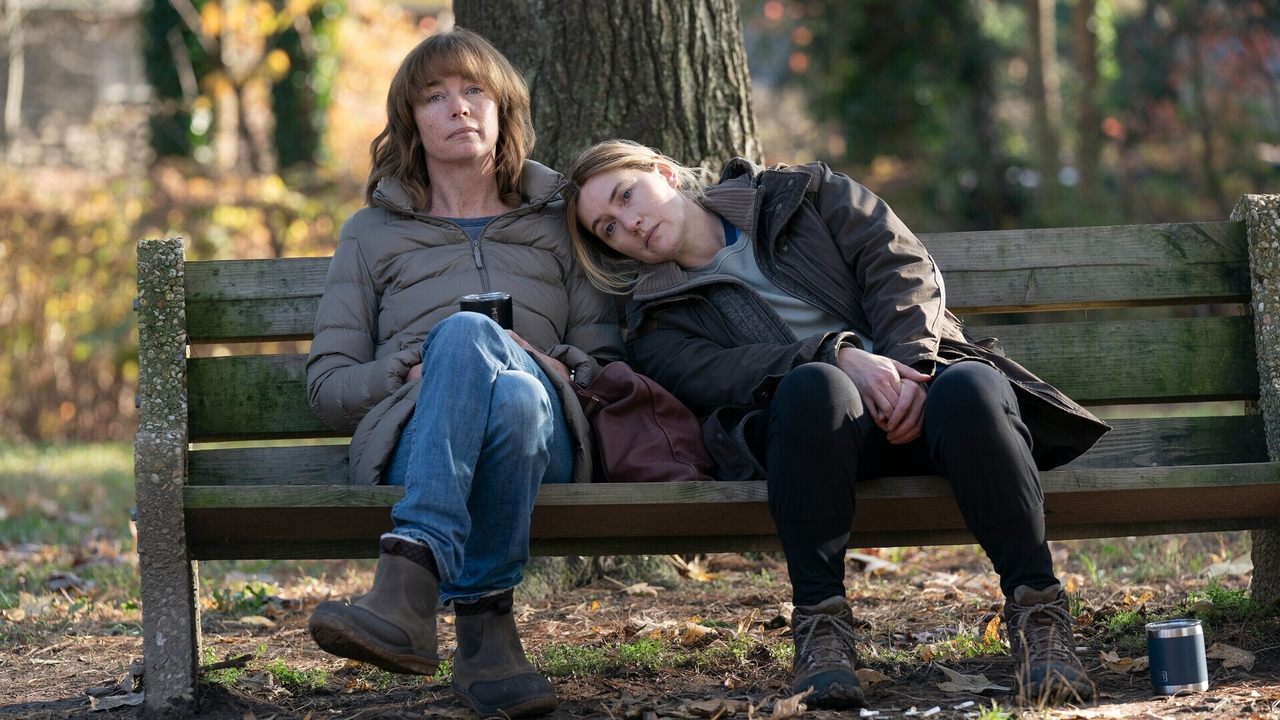
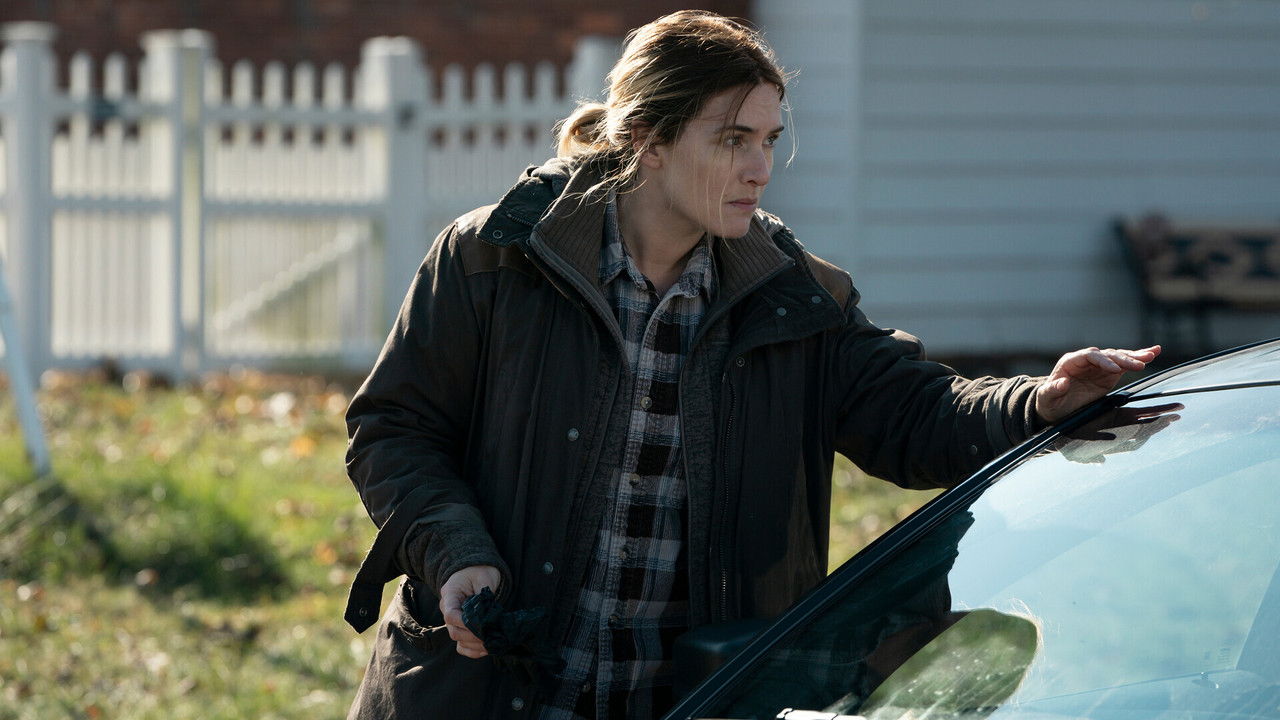
Most prestige television murder mysteries love mood lighting, pristine designer homes, and brooding antiheroes who look like models with bad attitudes. Mare of Easttown drops that entirely for cold Wawa coffee, wood-paneled living rooms, and heavy winter coats. Set in the blue-collar Philadelphia suburbs, it feels lived-in because the characters have decades of overlapping baggage.
Everyone in Easttown played basketball together, dated each other, or shares custody of someone. That familiarity is the engine of the entire plot. When a teenage girl turns up dead in a creek, Mare is not investigating strangers; she is interrogating her cousin, her best friend's husband, and her ex-husband's new circle.
Handling Grief Without the Melodrama
The show's emotional core is not just the murder case, but the ghost hanging over Mare's house: the suicide of her son Kevin. Detective shows often use dead relatives as a cheap shorthand for why a protagonist drinks too much. Mare of Easttown actually does the work.
It examines how a family fractures after a loss, the guilt carried by mothers and grandmothers, and the impossible tension of raising a grandchild while still mourning the child you lost. It is heavy territory, but the show earns every ounce of emotion because it gives its characters permission to be petty, funny, and deeply flawed along the way.
Co-Watching with Older Teens
If you have a 16- or 17-year-old interested in screenwriting, acting, or crime fiction, this is one of the best limited series to watch together. The mystery plays fair, the Delco accents are committed, and the final revelation hits with emotional weight rather than a gimmick. Just be ready to discuss heavy topics afterward, especially regarding youth mental health and addiction.