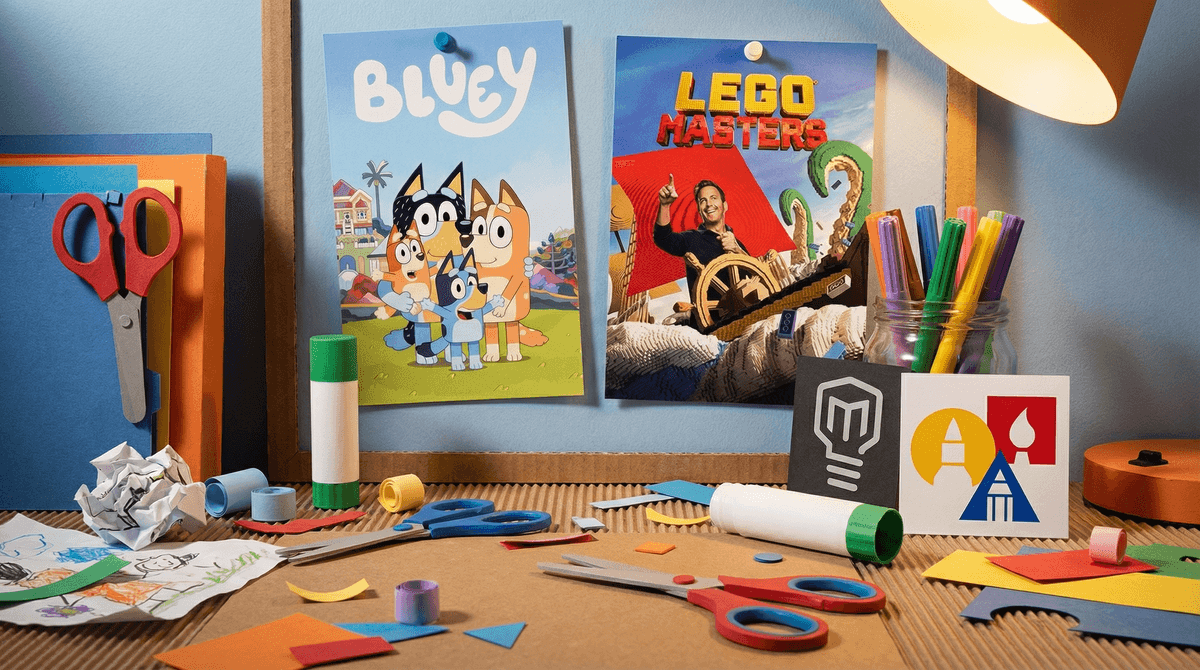
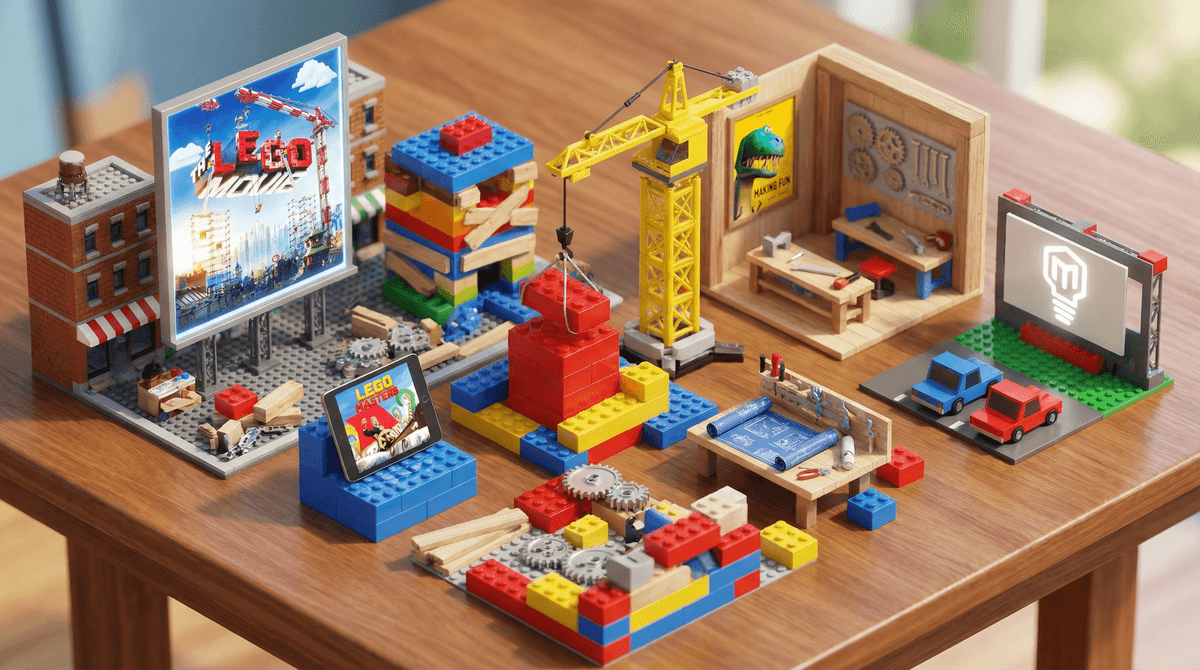
The premise of Making Fun is essentially every creative kid’s fever dream: you draw a picture of a dinosaur that poops marshmallows or a guitar that is also a taco, and a team of professional builders actually makes it. On paper, it’s a brilliant way to validate a child's imagination. In practice, the show is a strange experiment in "anti-hosting" that works better for some families than others.
The Reality TV Friction
Jimmy DiResta is a legend in the maker world, but he isn’t playing a traditional kids' show host. He’s playing a version of himself that is tired, cynical, and openly annoyed by the "little weirdos" pitching him ideas. This is a classic reality TV trope—the grumpy expert—but when the targets of the grumpiness are actual children, the vibe can get uncomfortable.
While his crew (Paul Jackman, Pat Lap, Derek Forestier, and John Graziano) provide the necessary balance and genuine enthusiasm, DiResta’s "bit" is the show's defining feature. If your family enjoys dry, sarcastic humor, you’ll likely find it hilarious. If your kids are sensitive to social cues or don't "get" sarcasm yet, they might just think the guy on the screen is a bully.
Legit Shop Class Energy
If you can get past the prickly exterior, the actual construction segments are top-tier. Unlike many shows and movies for kids who love LEGOs and building, Making Fun doesn't skip over the hard parts. You see the sparks, the structural failures, and the genuine engineering hurdles the team has to clear to make a "catapult for cats" actually function.
This isn't polished, plastic-looking science. It’s heavy machinery, welding, and sawdust. For a kid who is starting to outgrow basic craft tutorials and wants to see how things are really built, the shop sequences are pure gold. It’s one of the few STEM shows that actually spark real learning by focusing on the "M" (Making) rather than just the theory.
How to Watch Without the Cringe
The best way to handle this show is to treat it as a "spot the sarcasm" exercise. Because the host's attitude is so front-and-center, it’s a great opportunity to talk about how people use personas on camera.
- Watch the first episode together. You’ll know within ten minutes if the humor is going to fly or if it’s going to result in a "why is he being so mean?" conversation.
- Focus on the "Yes, and" moments. Despite the grumbling, the team always says yes to the kids' wildest ideas. That’s the real heart of the show: taking a child's "dumb" idea and treating it with serious engineering respect.
- Skip the pitches if needed. If the interaction segments feel too abrasive, the middle ten minutes of every episode—where the actual building happens—is where the real value lives.
If your kid loves the "build it" spirit of this show but finds the host too much, you’re better off heading to YouTube to watch the same creators in their own shops, where the vibe is usually much more collaborative.