The bait-and-switch of the decade
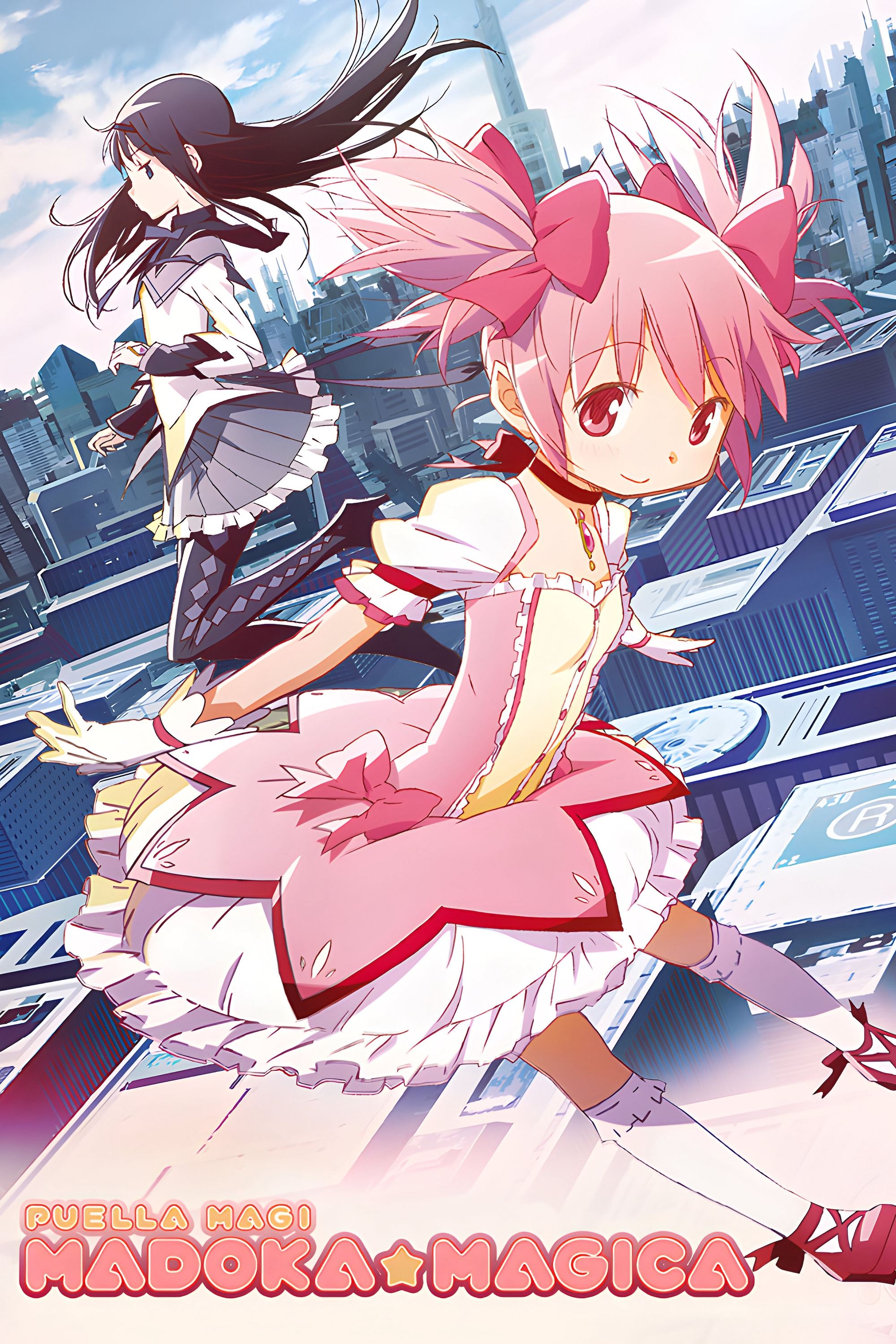
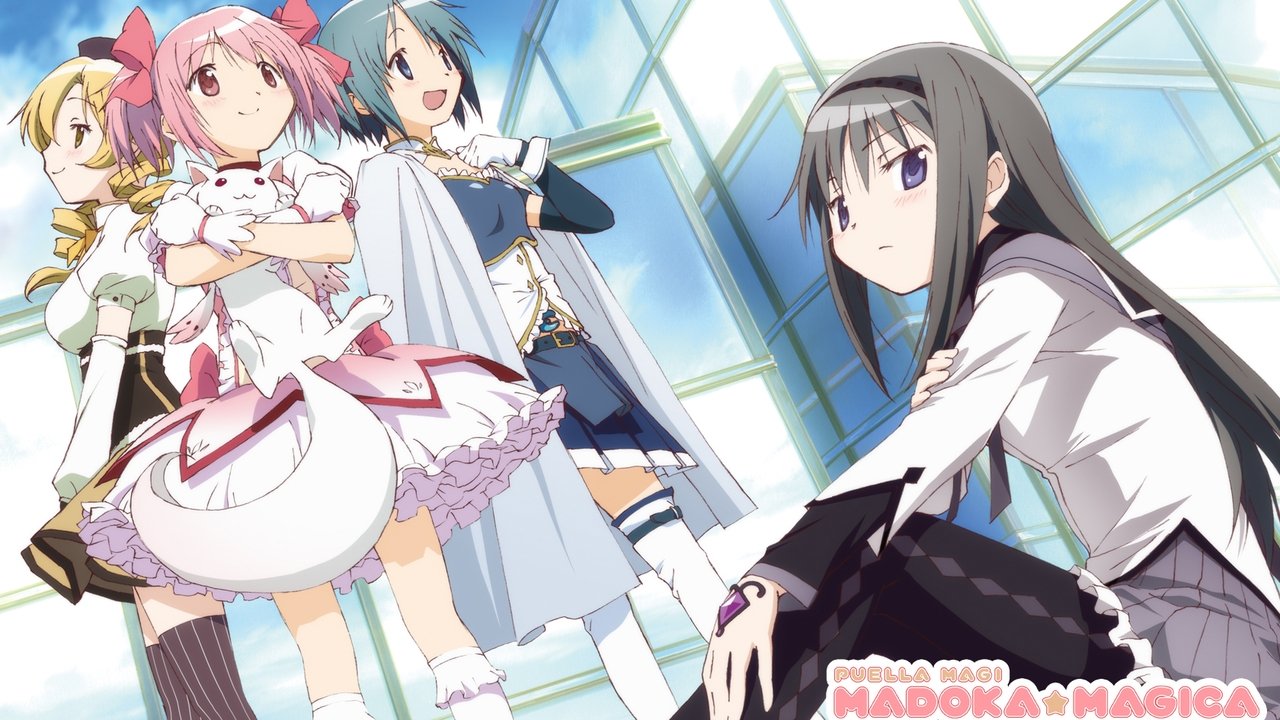
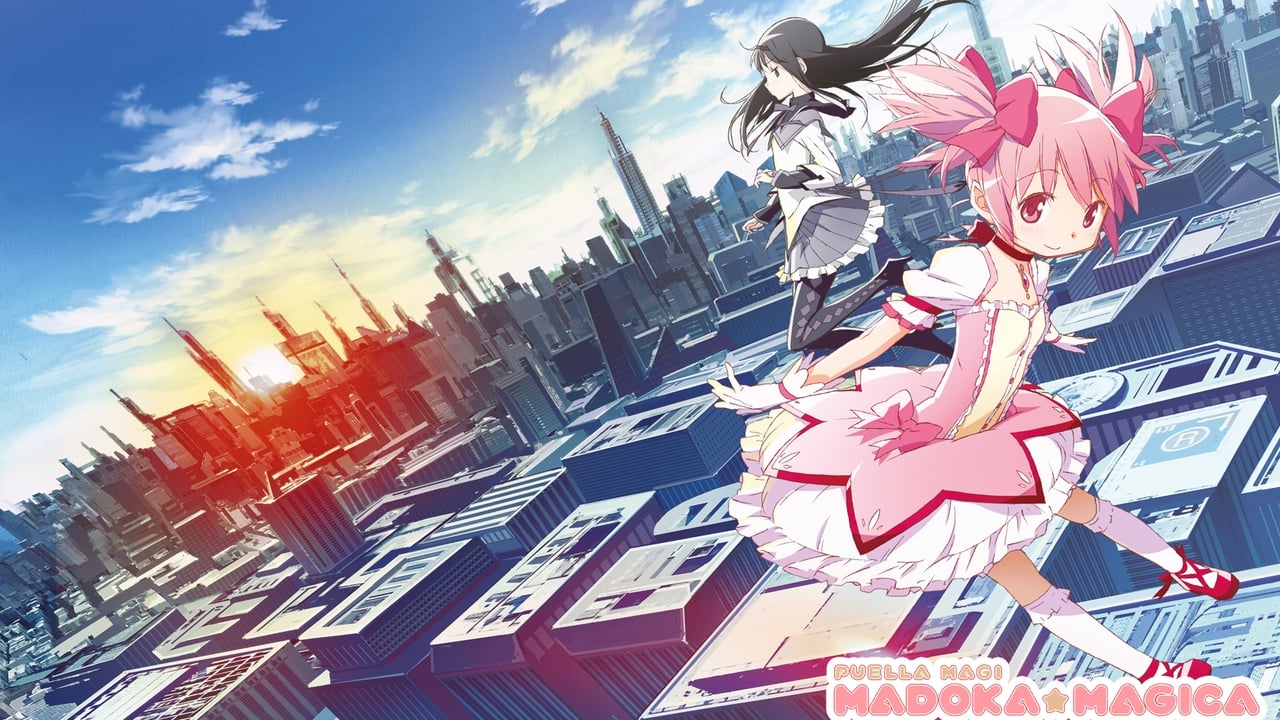
If you walk into the living room during the first twenty minutes of Madoka Magica, you’ll see pastel colors, a cute floating cat-like creature, and middle school girls talking about friendship. You’ll probably think it’s a safe, standard "magical girl" show in the vein of Sailor Moon.
That is exactly what the creators want you to think.
This show is famous for a reason. It’s a deconstruction. It takes every trope of the genre and asks, "What would actually happen to a 14-year-old’s psyche if they were forced to fight monsters in exchange for a wish?" The answer is bleak. By the time you hit the third episode, the show drops the act and turns into a psychological thriller that borders on cosmic horror. It’s brilliant, but it’s a heavy lift for a kid who isn't prepared for the tonal shift.
Visuals that feel like a fever dream
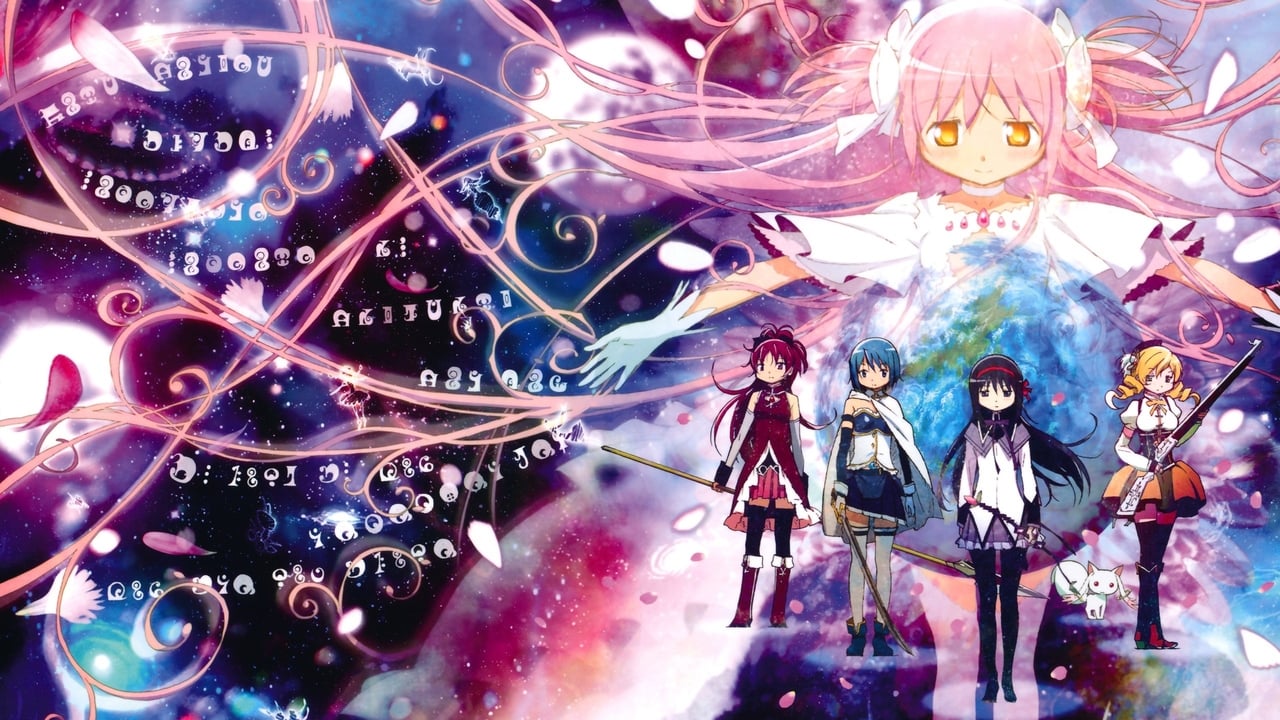
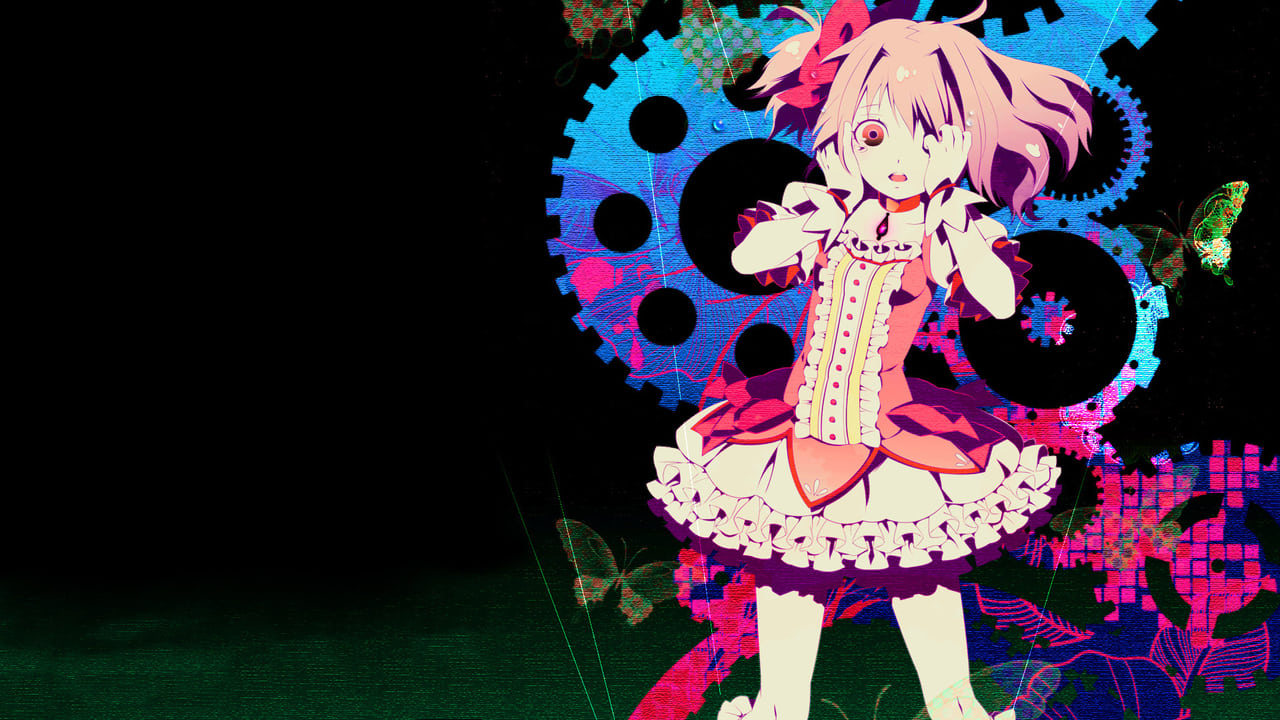
Most anime follows a fairly standard look, but Madoka Magica breaks the mold when the girls enter a "Witch’s Labyrinth." These sequences look like a surrealist paper-collage nightmare. Think cut-out magazine clippings, weird textures, and abstract shapes that feel genuinely unsettling.
This isn't just "cool art." It serves a purpose. The monsters don't look like they belong in the world of the characters, which heightens the sense of wrongness. If your teen is into art or film production, they’ll find this fascinating. If they’re prone to night terrors, those collage-style cotton balls with teeth might stick with them a bit too long.
Where the friction happens
The main conflict isn't just "good vs. evil." It’s about the cost of altruism. The characters are forced into "contracts" that they don't fully understand, and the show spends a lot of time on the regret and despair that follows.
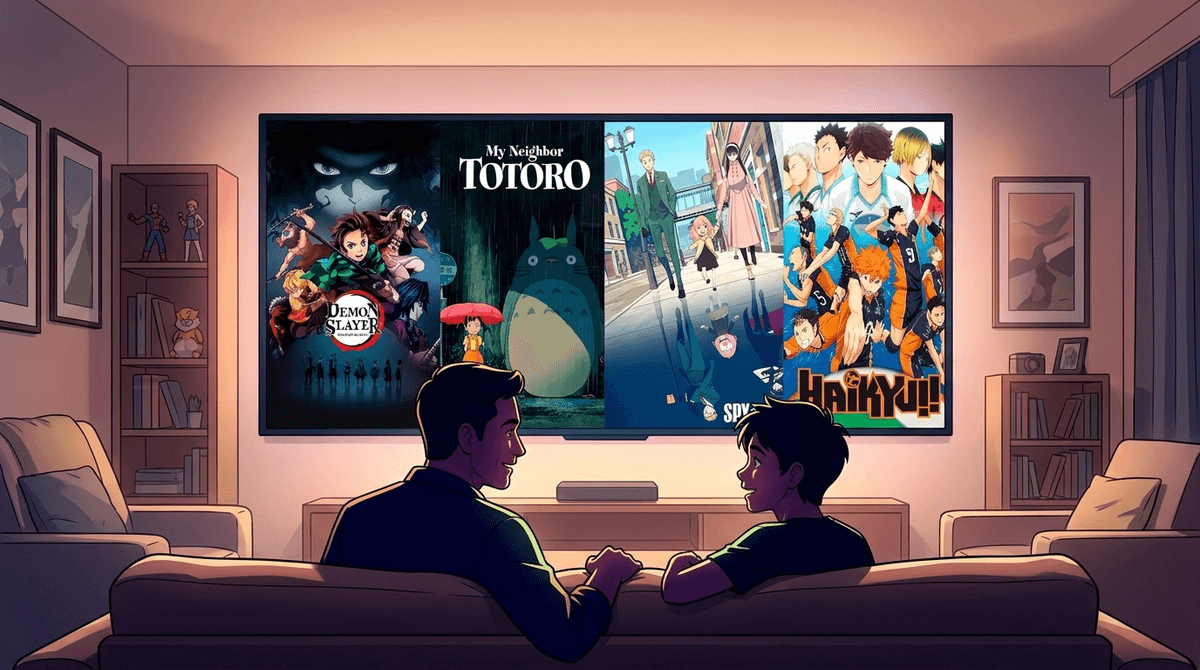
If your teen is currently obsessed with "darker" shonen like Jujutsu Kaisen or Chainsaw Man, they will likely love this. It has that same "no one is safe" energy. However, if they’re coming from the world of Pokémon or Studio Ghibli, this is a massive jump in intensity. You might want to brush up on the shift from kid-friendly cartoons to complex Japanese storytelling before they dive into the deep end here.
How to watch it
This is a tight, 12-episode experience. There is no filler. Every line of dialogue and every weird visual cue matters. Because it’s so short, it’s a great candidate for a weekend binge, but be ready for the "post-anime depression" that usually follows a show this heavy.
If you’re trying to keep up with their watchlist, knowing the difference between subs, dubs, and the various genres will help you talk about why this show is such a departure from the norm. It isn't just another cartoon; it’s a high-concept tragedy that happens to be animated.
Don't be surprised if they want to watch it a second time immediately. Once you know the ending, the first few "happy" episodes feel completely different. It’s one of those rare shows that gets better when you know the secrets.