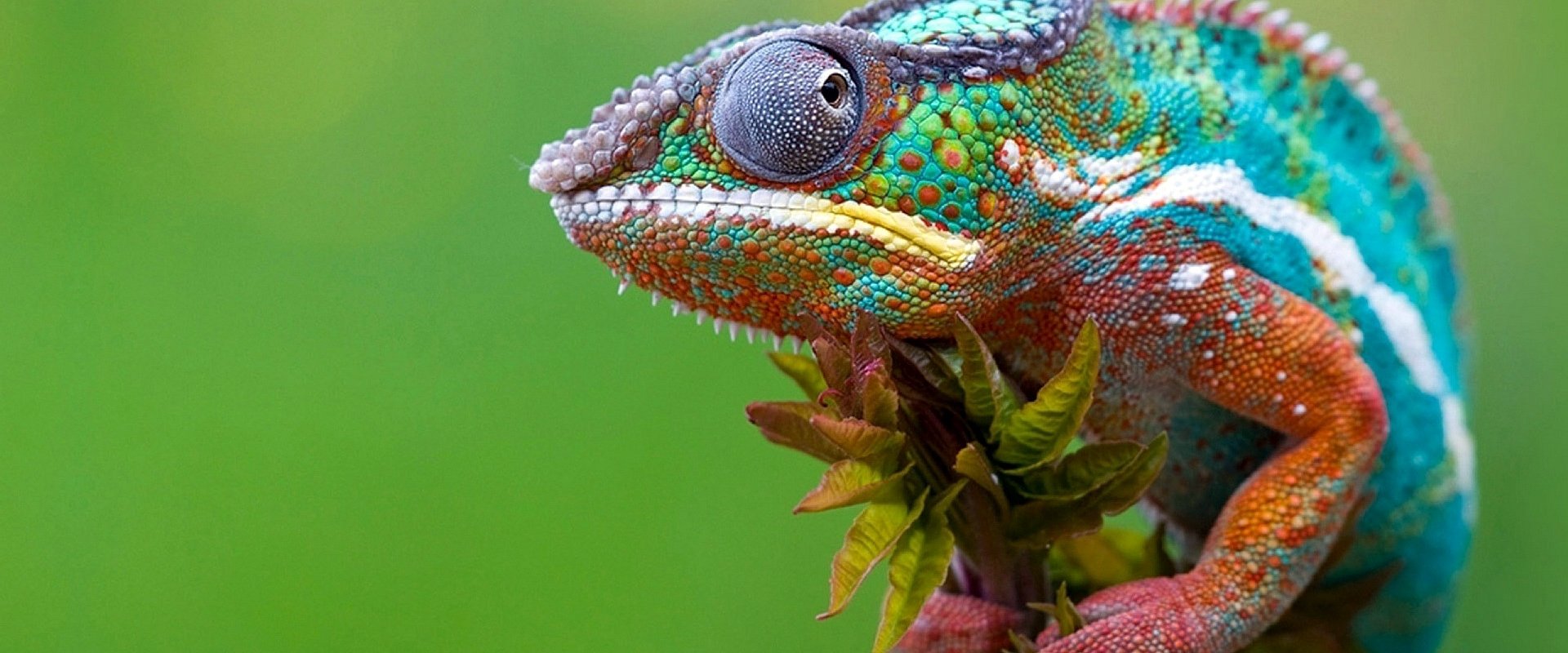
Madagascar

Madagascar

show

TV-G, 2011

WISE
88%

WISE Score

8.5

IMDb

David Attenborough-style nature doc exploring the wild evolution lab that is Madagascar—educational gold, but maybe too slow for the YouTube generation.

IMDb8.5
Common Sense Media
Where to Watch
Loading streaming options...
Screenwise Verdict

This is solid educational television—the kind of thing that used to be called 'enrichment viewing' before we all got addicted to dopamine hits. The science is real, the content is fascinating (Madagascar truly is a biological wonderland), and it's safe for basically everyone.

The challenge? It's a 2011 nature documentary, which means it moves at nature documentary speed. No jump cuts, no memes, no 'wait for it' moments engineered for TikTok. For kids who can slow down and appreciate the natural world, this is gold. For kids who need constant stimulation, they'll be asking for their tablet back in 10 minutes.

The WISE score is high because the content genuinely delivers on all fronts—it's just that 'watchability' in 2025 is a real consideration. If you're trying to build appreciation for science and nature in your kids, this is a great tool. Just maybe watch it together and talk through it rather than using it as solo screen time.

Age Fit

Technically safe from age 2+, but realistically best for ages 5-12 who can appreciate the science without needing constant action. Adults who love nature docs will enjoy it too, but modern kids may find the pacing slow compared to flashier content.

WISE Breakdown
Wholesome
92

Nature documentary focused on wildlife and ecosystems presents content in an educational, respectful manner. No concerning behavioral models or chaotic pacing—just the natural world doing its thing. Common Sense Media's age 2+ rating confirms extremely gentle content.

Imaginative
88

Showcases unique biodiversity found nowhere else on Earth, presenting evolutionary concepts and ecological relationships that spark curiosity about the natural world. The focus on Madagascar's isolation and unique species invites wonder about how life adapts and diversifies. Strong IMDB (8.5) and Letterboxd (3.6/5) ratings suggest compelling storytelling.

Safe
95

Nature documentary format means no concerning content for young viewers. May show predator-prey relationships typical of wildlife docs, but presented in educational context. Common Sense Media age 2+ rating and kids mode availability confirm very safe viewing. No violence, toxicity, or inappropriate content.

Enriching
90

High educational value exploring evolution, biodiversity, and ecology. Teaches about unique ecosystems, adaptation, and conservation. IMDB 8.5 rating suggests quality production that maintains engagement while delivering substantial learning. Builds scientific literacy and appreciation for natural world.

Parent Info
✓

Why It Might Be Great

  • Explores genuinely unique wildlife found literally nowhere else on Earth—80% of species are Madagascar exclusives
  • Strong educational foundation in evolution, adaptation, and biodiversity without being preachy or textbook-y
  • High production quality with 8.5 IMDB rating suggests beautiful cinematography and engaging storytelling
  • Safe for even toddlers (age 2+) while still interesting enough for older kids and adults
  • Real-world science that builds appreciation for conservation and ecological thinking
⚠

What to Watch For

  • Nature docs can show predator-prey interactions—nothing graphic, but circle-of-life stuff happens
  • Pacing is deliberate and contemplative, which may lose kids used to rapid-fire content
  • 2011 production may feel a bit dated compared to newer nature documentaries with drone footage and 4K
  • Runtime and episode structure unknown—could be a single feature or series

Conversation Starters

  • "Why do you think animals in Madagascar look so different from animals in other places?"
  • "If you were stuck on an island for millions of years, how do you think you'd change?"
  • "Which Madagascar animal was your favorite and why do you think it evolved that way?"
  • "What would happen if we brought a lemur to Africa or an African monkey to Madagascar?"

Ask Anything

Get a personalized guide on any topic