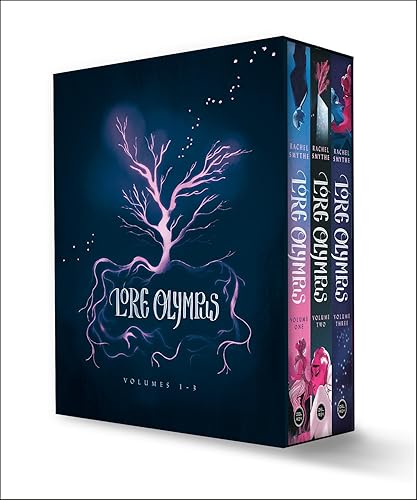
The aesthetic of Lore Olympus is essentially digital candy. Rachel Smythe’s use of color is hypnotic, using a high-contrast palette where every god is color-coded—Persephone is a glowing pink, Hades is a somber blue. For a generation raised on highly visual social platforms, this book doesn't just tell a story; it provides a vibe. It’s easy to see why it made the jump from a mobile-first storytelling format to a prestige physical boxed set. The art is the primary driver of its massive popularity, but that beauty often masks how heavy the actual narrative is.
The Webtoon-to-Hardcover Pipeline
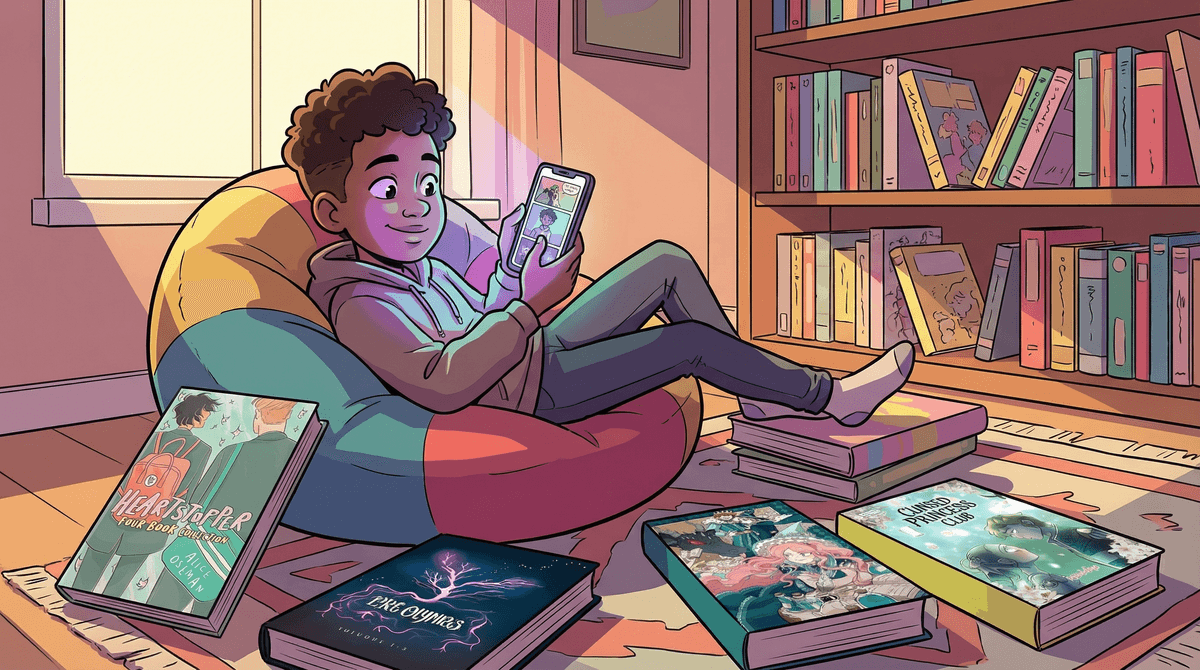
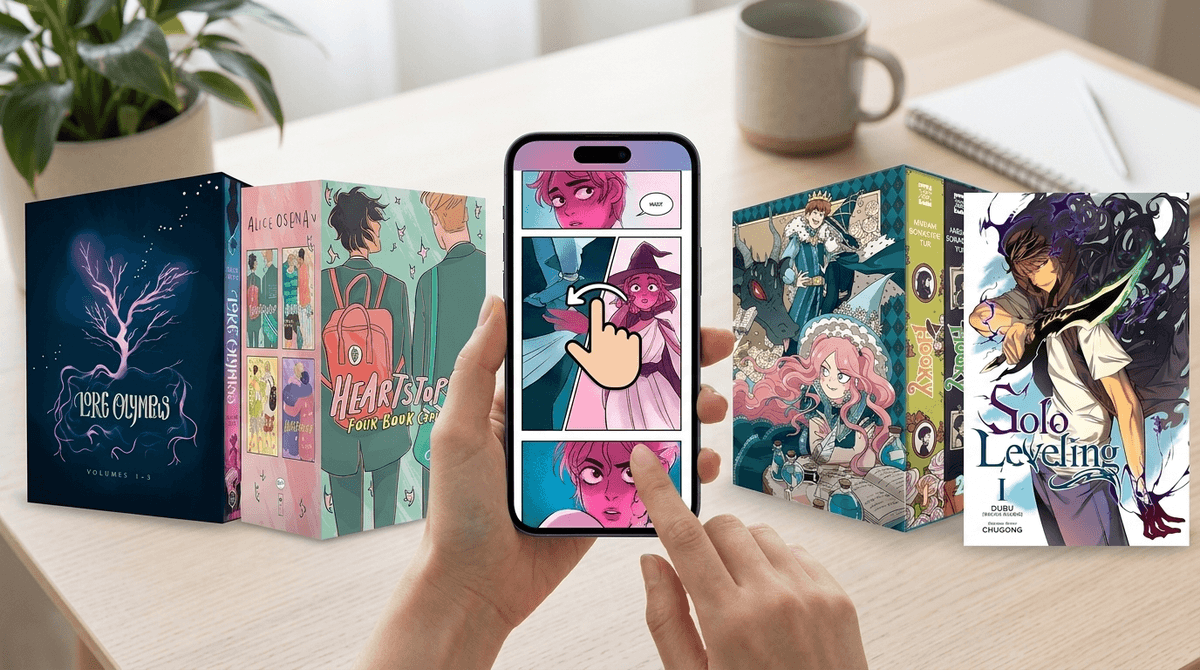
If your kid is asking for this boxed set, they likely started reading it on their phone. Lore Olympus is the poster child for the modern digital comic movement, where vertical scrolling and weekly "cliffhanger" updates create a specific kind of engagement. When these stories move to print, they carry a massive, built-in fanbase.
The transition to a hardcover boxed set makes the series feel like "prestige" literature, similar to a Harry Potter or Percy Jackson collection. However, the pacing remains very much tied to its digital roots. Episodes 1–75 move fast, focusing on snappy dialogue and emotional beats rather than the dense world-building you might find in a traditional fantasy novel. It’s a fast read, which is part of the appeal, but it also means the heavier themes can hit a reader suddenly between the more "shippable" romantic moments.
The Mythology Mismatch
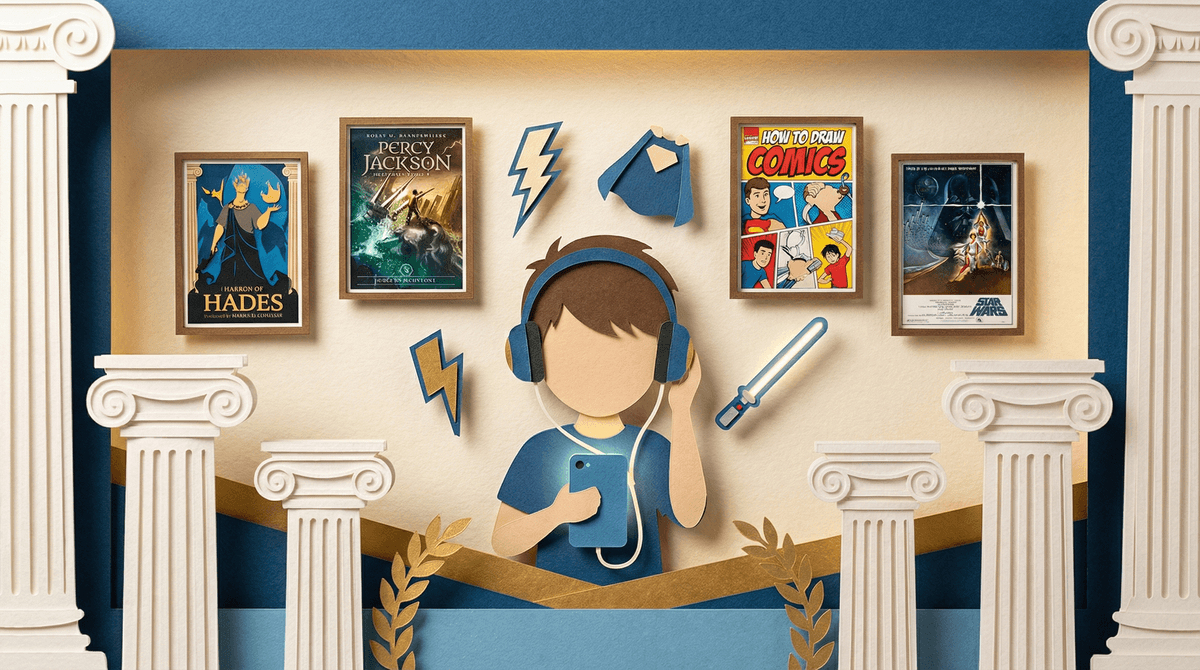
We are currently in a Greek mythology renaissance. Between the Greeking Out podcast and the way Athena has become a strategy icon for younger gamers, many parents assume any "Hades and Persephone" retelling is safe territory. Lore Olympus breaks that assumption.
While the series is clever in how it modernizes the gods—Hades is a CEO, the gods use cell phones, and Olympus is a bustling metropolis—it keeps the "dark" in "dark academia." It doesn't sanitize the source material. In fact, it leans into the most traumatic elements of the original myths to explore modern ideas of consent and recovery. If your middle-schooler is looking for more "Percy Jackson vibes," this isn't the next logical step. It’s a hard pivot into adult drama that happens to use the same character names.
Aesthetic vs. Substance
The friction with Lore Olympus lies in its "juvenile" packaging vs. its "mature" content. The romance often feels like a YA "slow burn," with blushing faces and height-difference tropes that appeal to the 13-to-15-year-old demographic. But the plot moves into territory—specifically sexual assault and systemic gaslighting—that requires a level of emotional maturity the art style doesn't necessarily signal.
It’s a gorgeous object for a bookshelf, and for an adult reader, the exploration of trauma through a mythological lens is compelling. But for a parent, the "boxed set" look can be deceptive. It’s less of a "mythology 101" book and more of a heavy-hitting soap opera that uses ancient gods to talk about very real, very modern pain.