The Stephen King Blank Check
Most Stephen King adaptations feel like they were made by people who read the SparkNotes and decided "scary clown" or "haunted hotel" was enough of a hook. Lisey’s Story is the opposite. King wrote every episode himself, which explains why it feels so dense and deeply personal. This isn't a show trying to jump-scare you every ten minutes; it’s a show trying to make you feel the suffocating weight of a long-term marriage and the secrets people keep to survive.
Because King had total control, we get the "full King." That means weird slang, dream-logic that doesn't always track, and a focus on the interior life of a widow that most thrillers would skip to get to the monsters. If you’re a fan of his more meditative books like Bag of Bones, this is your jam. If you want the high-octane energy of It or Misery, you’re going to find this incredibly frustrating.
A Visual Feast That Forgets to Eat
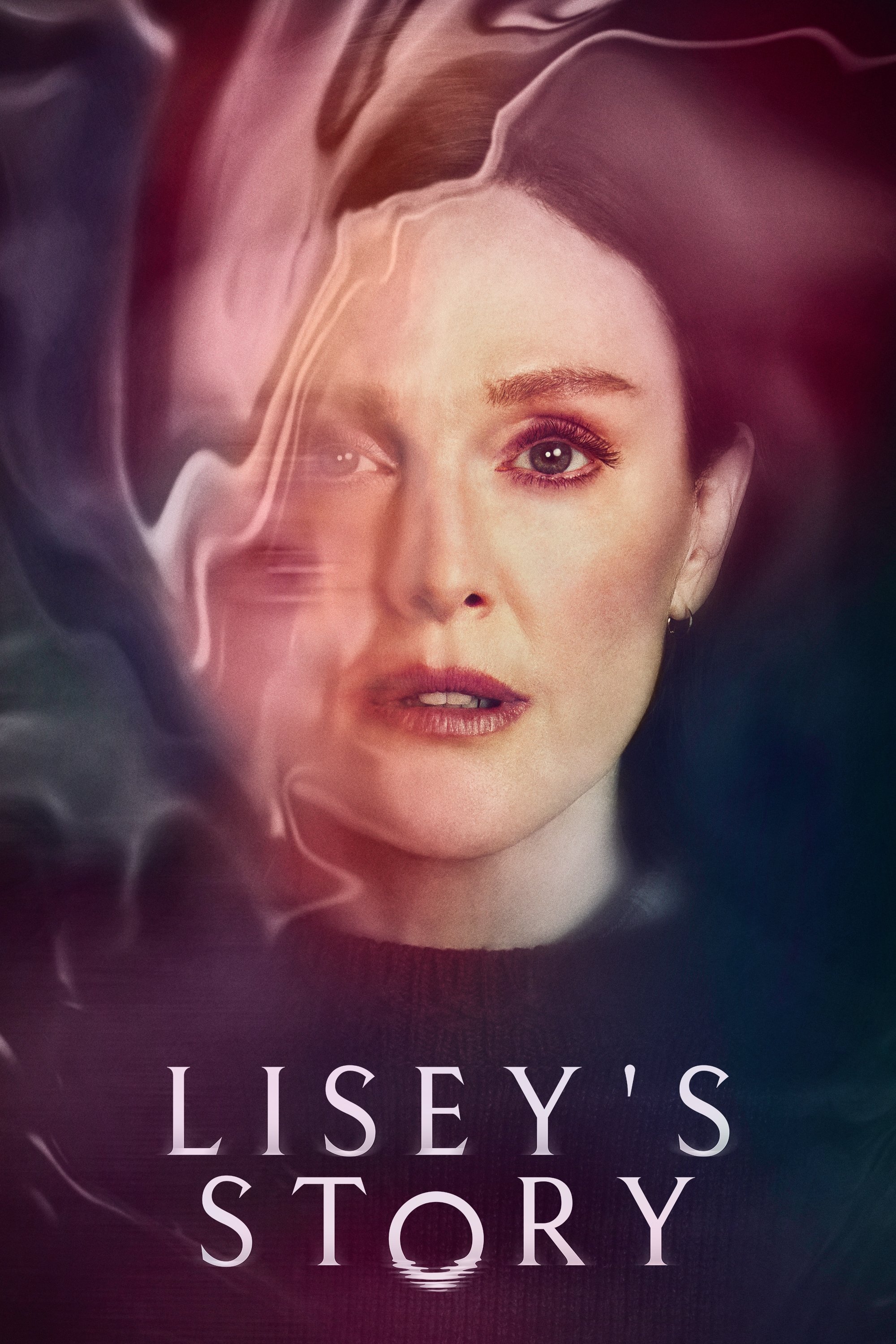
Visually, the show is a masterclass. The transition between the "real" world and the supernatural "Boo’ya Moon" is handled with a level of artistry you don't usually see in horror TV. It’s lush, colorful, and genuinely unsettling. Julianne Moore and Clive Owen carry the emotional load with ease, making the relationship feel lived-in and authentic.
The friction comes from the pacing. Critics weren't lying when they called it a "snoozefest." There are long stretches where the plot simply parks the car and looks out the window. For a story about a terrifying stalker and a literal monster, it spends a lot of time on people sitting in chairs thinking about the past. It’s a mood piece, and if that mood doesn't grab you in the first twenty minutes, the next seven hours will feel like a chore.
The Trauma Calculus
This isn't just "scary." It’s heavy. The show deals with self-harm and childhood abuse in ways that are graphic and lingering. It’s not just a plot point; it’s the DNA of the story. Before you decide to watch this with a teenager who thinks they're ready for "adult" horror, check out our parent’s guide to Lisey’s Story to see if the specific triggers here are a dealbreaker.
If your teen liked the atmospheric dread of The Haunting of Hill House, they might appreciate the craft here. But where Hill House uses ghosts to explain family trauma, Lisey’s Story uses trauma to explain the ghosts. It’s a subtle difference that makes this show much harder to shake off.
How to Watch It
Don't try to binge this. It’s too thick. The "airless" quality critics mentioned is real, and watching more than one episode at a time can feel like drowning in velvet. It’s better as a slow-burn weekly watch.
Watch it for the performances and the world-building, but keep your expectations in check regarding the "thriller" aspect. It’s a grief study with a side of supernatural weirdness. If you go in expecting The Conjuring, you’ll be bored. If you go in expecting a high-budget art house film that happens to have a monster in it, you might actually find something special.