Limbo

Limbo

game

2010, Platform, Puzzle

WISE
48%

WISE Score

81%

IGDB

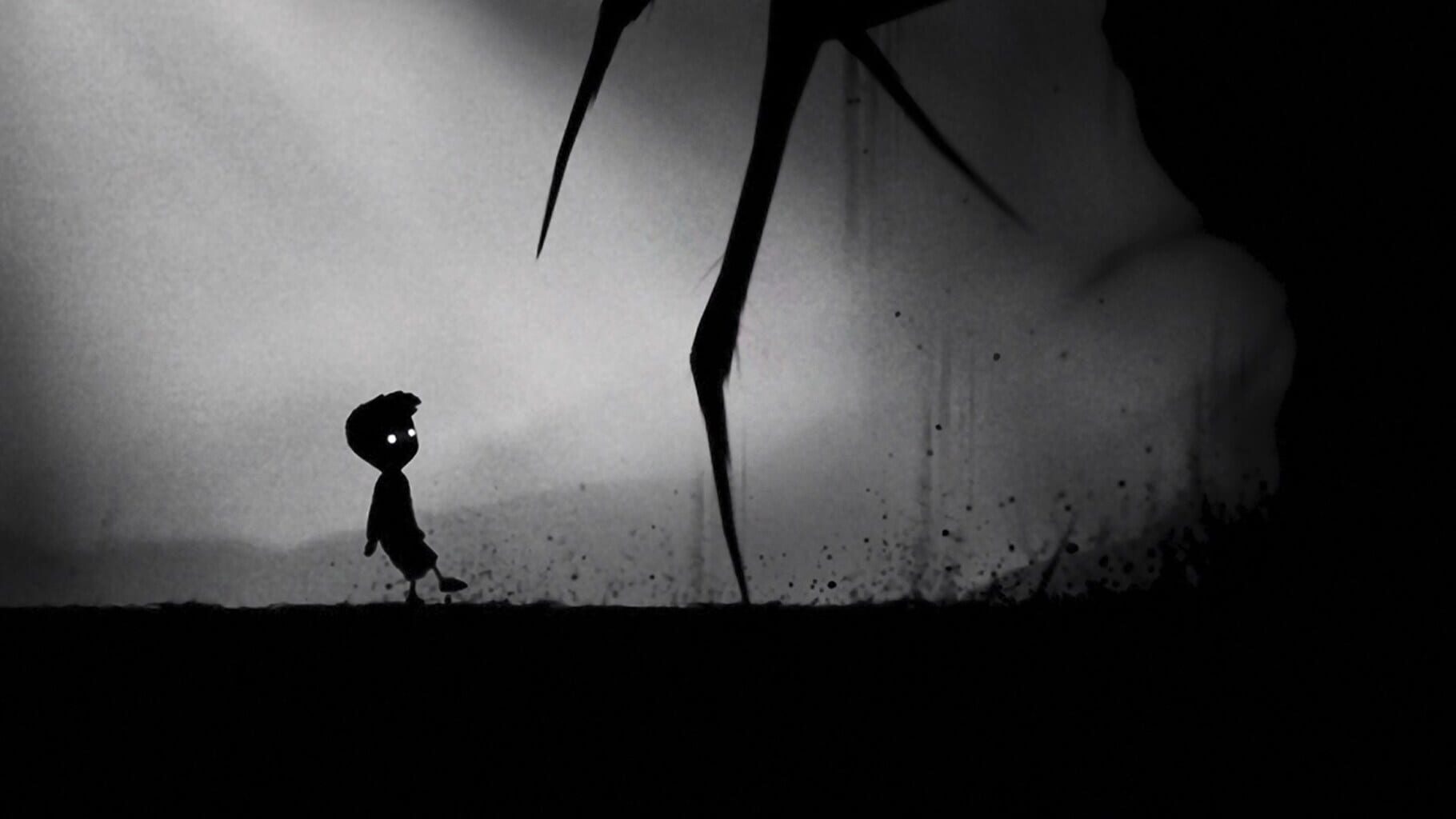
Beautiful, haunting puzzle-platformer where a boy dies horribly over and over in artistic black-and-white—basically art house horror for gamers.

Screenwise Verdict

Limbo is an artistic masterpiece that helped define indie gaming—but it's also a horror game where you watch a small boy die violently dozens of times. The black-and-white silhouette style doesn't make the impalement, decapitation, and dismemberment any less disturbing.

The puzzle design is genuinely clever, and there are zero predatory gaming practices (no ads, no IAP, no social manipulation). It's a complete, thoughtful experience that respects players' time and intelligence. But let's be crystal clear: this is NOT appropriate for kids just because the main character is a child.

For mature teens who can handle dark themes and horror imagery, Limbo offers a thought-provoking experience about persistence, loss, and determination. The ambiguous storytelling invites real discussion and interpretation. But for younger players or sensitive kids? This is nightmare fuel. The repeated child death scenes are the core gameplay mechanic, not an occasional occurrence.

It's a game parents might appreciate more than kids—the kind of thing you play after the kids are in bed, not with them on the couch.
Age Fit

Despite the child protagonist, this is absolutely not a kids' game—the graphic death sequences and horror atmosphere make it appropriate for mature teens (15+) and adults who appreciate dark, artistic experiences. Younger players will likely be disturbed or have nightmares.

WISE Breakdown
Wholesome
35

Limbo features frequent gruesome death sequences where a young boy dies in graphic ways (impalement, decapitation, dismemberment, being crushed). While there's no dialogue or explicit language, the dark atmosphere and repeated child death scenes create an emotionally heavy, disturbing tone that's far from emotionally healthy content. The game doesn't model cooperation or kindness—it's a solitary journey through a hostile world.

Imaginative
88

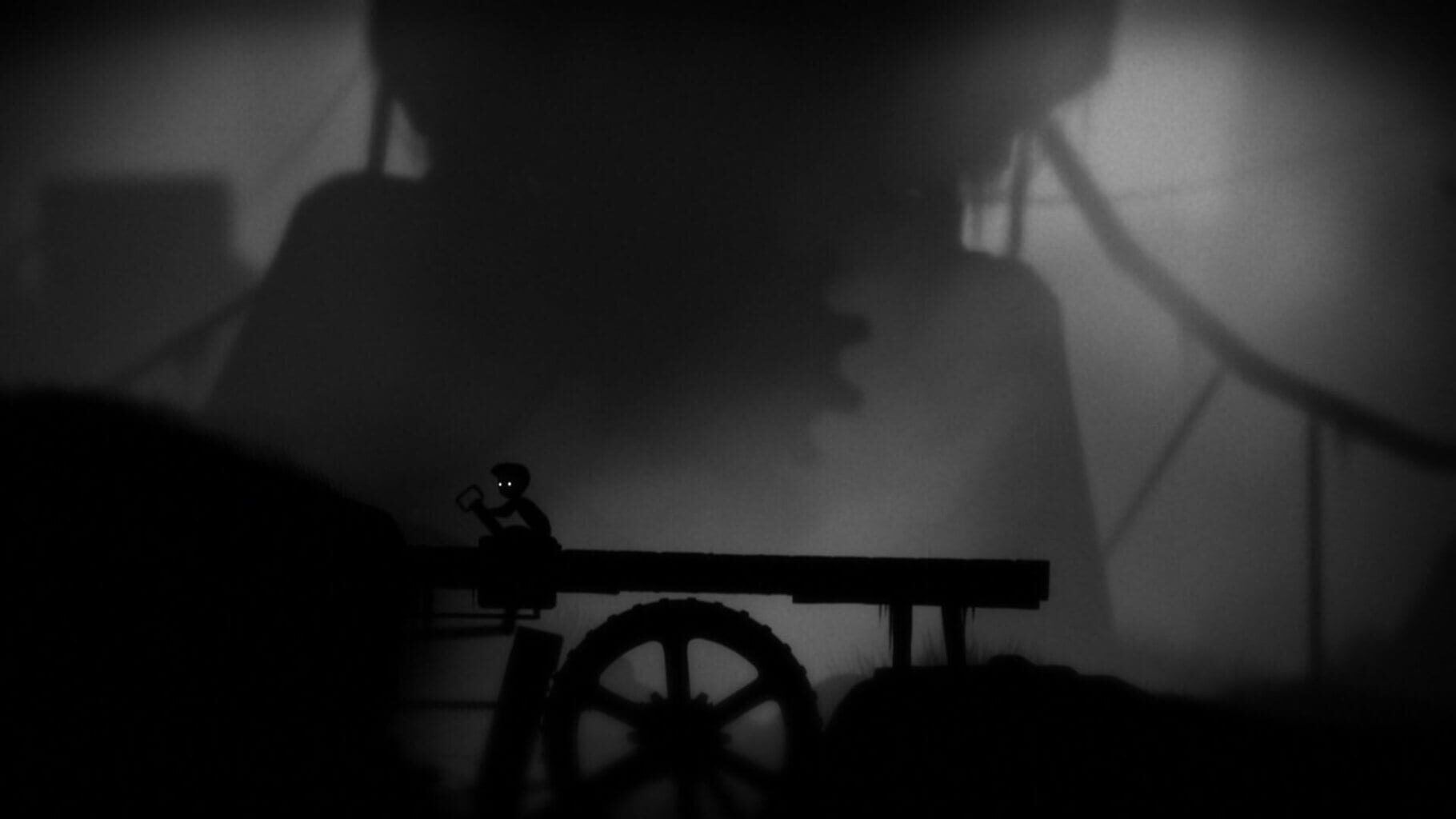
Limbo is a landmark indie game praised for its striking black-and-white art style, atmospheric world-building, and clever puzzle design. The environmental storytelling, minimalist aesthetic, and physics-based challenges invite creative problem-solving. The ambiguous narrative about searching for a sister through a surreal, nightmarish landscape is genuinely original and thought-provoking. High IGDB rating (81) reflects its artistic achievement.

Safe
25

Major safety concerns for younger players: graphic child death animations (being sawed in half, impaled by spikes, eaten by spiders, crushed by machinery), disturbing imagery including a giant spider boss, and overall horror atmosphere. No predatory monetization (no IAP, no loot boxes, no online chat), which is positive. However, the frequent, explicit violence against a child character—even in silhouette—makes this psychologically unsafe for young or sensitive players. This is NOT a surprise Marvel-movie punch; it's repeated, graphic child death.

Enriching
72

Limbo offers genuine cognitive challenges through physics puzzles and spatial reasoning. The game encourages persistence, problem-solving, and critical thinking. The ambiguous narrative invites interpretation and discussion about themes of loss, determination, and the nature of reality. However, the enrichment is undermined by the dark subject matter and emotional weight. It's intellectually stimulating but emotionally draining.

Parent Info

Why It Might Be Great

  • Genuinely innovative art direction and atmospheric storytelling that influenced an entire generation of indie games
  • Clever physics-based puzzles that require real problem-solving and spatial reasoning skills
  • No monetization tricks, ads, or social features—just a complete artistic experience
  • Teaches persistence and creative thinking through trial-and-error gameplay
  • Short enough (3-4 hours) to complete without becoming an obsessive time sink

What to Watch For

  • Frequent graphic death scenes: your child character gets impaled, decapitated, dismembered, crushed—it's in silhouette but still disturbing
  • Overall horror atmosphere with jump scares, a giant spider boss, and genuinely creepy environments
  • Dark themes of death, loss, and existential dread that can be psychologically heavy
  • Trial-and-error gameplay means watching your character die dozens of times—that's the core mechanic
  • Zero guidance or tutorials—kids might get frustrated without help

Conversation Starters

  • "What do you think happened to the boy's sister? What's your theory about the ending?"
  • "Some of those puzzles were really clever—which one made you think the hardest?"
  • "How did it feel watching the character die so many times? Was it scary or just part of the game?"
  • "Why do you think the game is all in black and white? What does that add to the experience?"
  • "Would you recommend this to a friend? What would you warn them about first?"

Ask Anything

Get a personalized guide on any topic