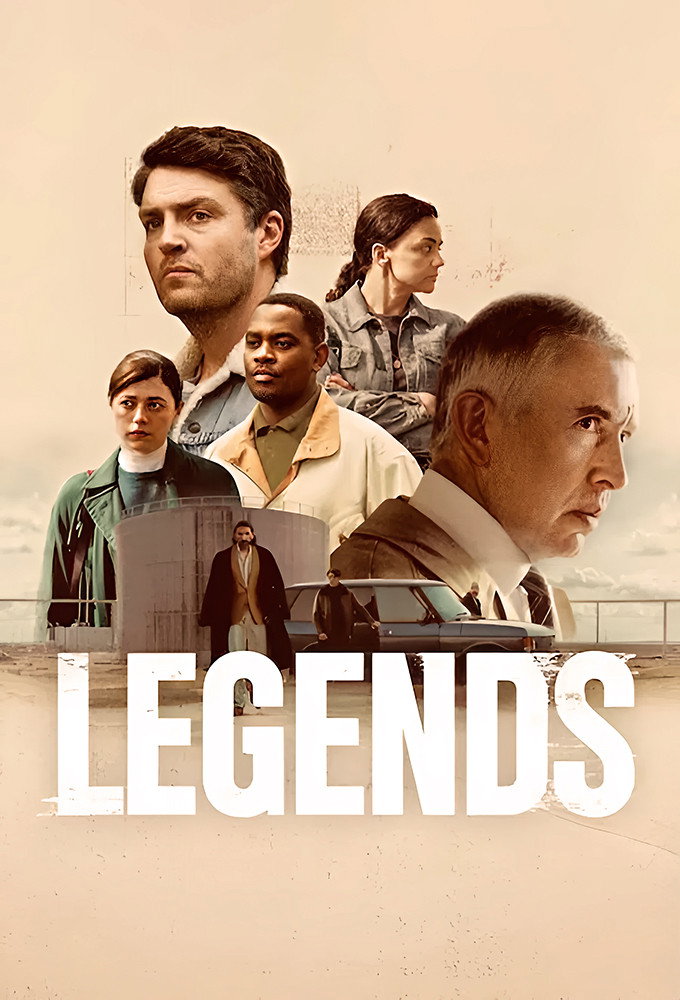
The "Beige" Undercover
Most crime dramas give you a protagonist who knows how to clear a room or hack a mainframe. Legends goes the opposite direction. These are people who probably have a favorite brand of stapler. Watching a career civil servant—someone trained in policy and paperwork—try to blend into a '90s drug ring is genuinely stressful. It’s less about the "cool" factor of being undercover and more about the sheer, sweating-through-your-shirt terror of being found out.
The show leans into the absurdity of the situation without making it a comedy. These characters are out of their depth, and the script doesn't give them "super-cop" instincts to save the day. If your teen is used to the hyper-competent leads in most police procedurals, the vulnerability here will be a shock.
Why the '90s Setting Matters
This isn't just a nostalgic excuse to play Britpop in the background. The lack of modern tech is a massive plot driver. There are no burner phones with encrypted apps or GPS tracking. If a character gets into a car with a dealer, they are truly isolated. This creates a specific kind of tension that modern thrillers often struggle to replicate.
The critical reception on Rotten Tomatoes reflects how well the show handles this atmosphere. It’s not just "old-timey" for the sake of it; the '90s setting highlights how much harder it was to maintain a double life when you couldn't just text a handler for backup. For a deeper dive into the specific intensity and how the show handles its more graphic moments, check out our guide on whether this 90s drug-war thriller is too dark for teens.
The Steve Coogan Factor
The casting is the secret weapon here. Seeing a lead like Steve Coogan—who many parents know from much lighter fare—lean into this level of grit adds a layer of unpredictability. You keep waiting for a punchline that never comes. Instead, we get a look at the psychological wear and tear of living a lie.
It’s a masterclass in "competence porn" gone wrong. It’s for the kid who likes The Bear—shows where the stakes are high because people are trying to do a job they aren't quite equipped for. It’s smart, it’s bleak, and it respects the audience enough not to over-explain the slang. It’s a solid pick for a 17-year-old who thinks they’ve outgrown standard TV, provided you’re okay with the very real, very un-glamorous depiction of the drug trade.