It’s a battle manga in jerseys
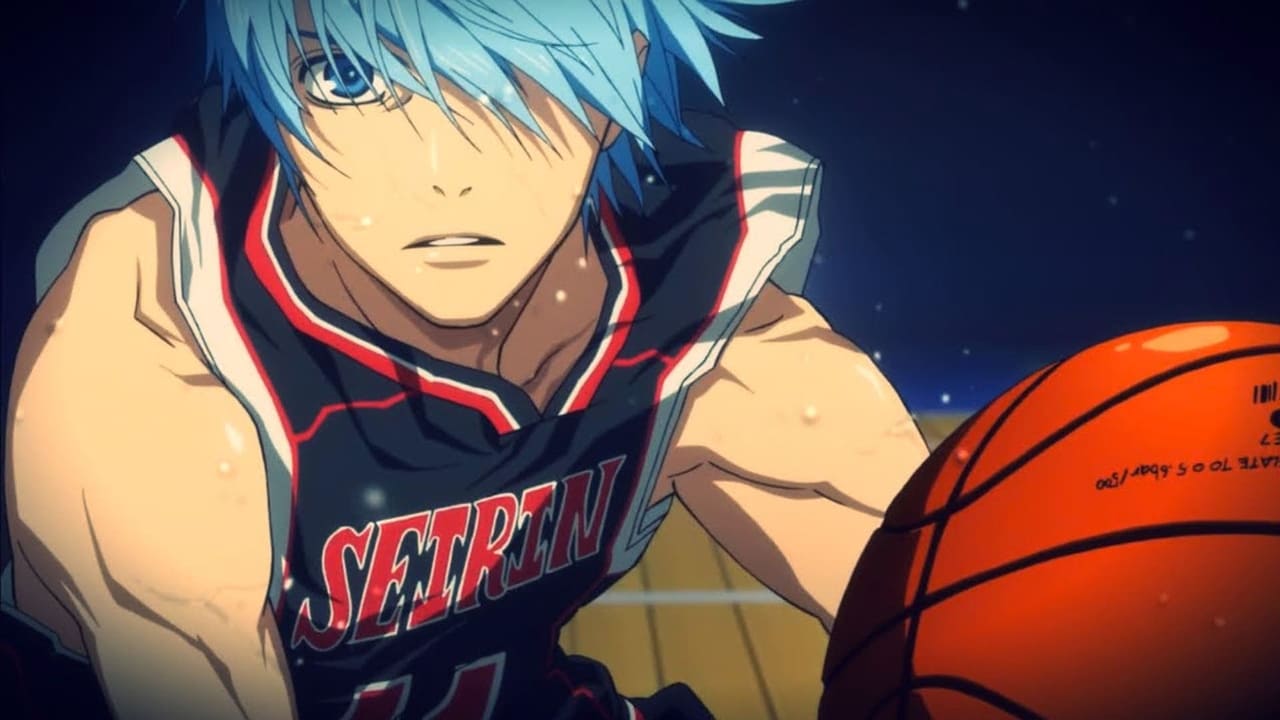
If you’re looking for a realistic simulation of high school hoops, you’re in the wrong place. Kuroko’s Basketball belongs to the "superpower" subgenre of sports media. While shows like Haikyu!! stay mostly grounded in physics, this series treats a crossover dribble like a finishing move in a fighting game. It’s high-octane, loud, and incredibly addictive.
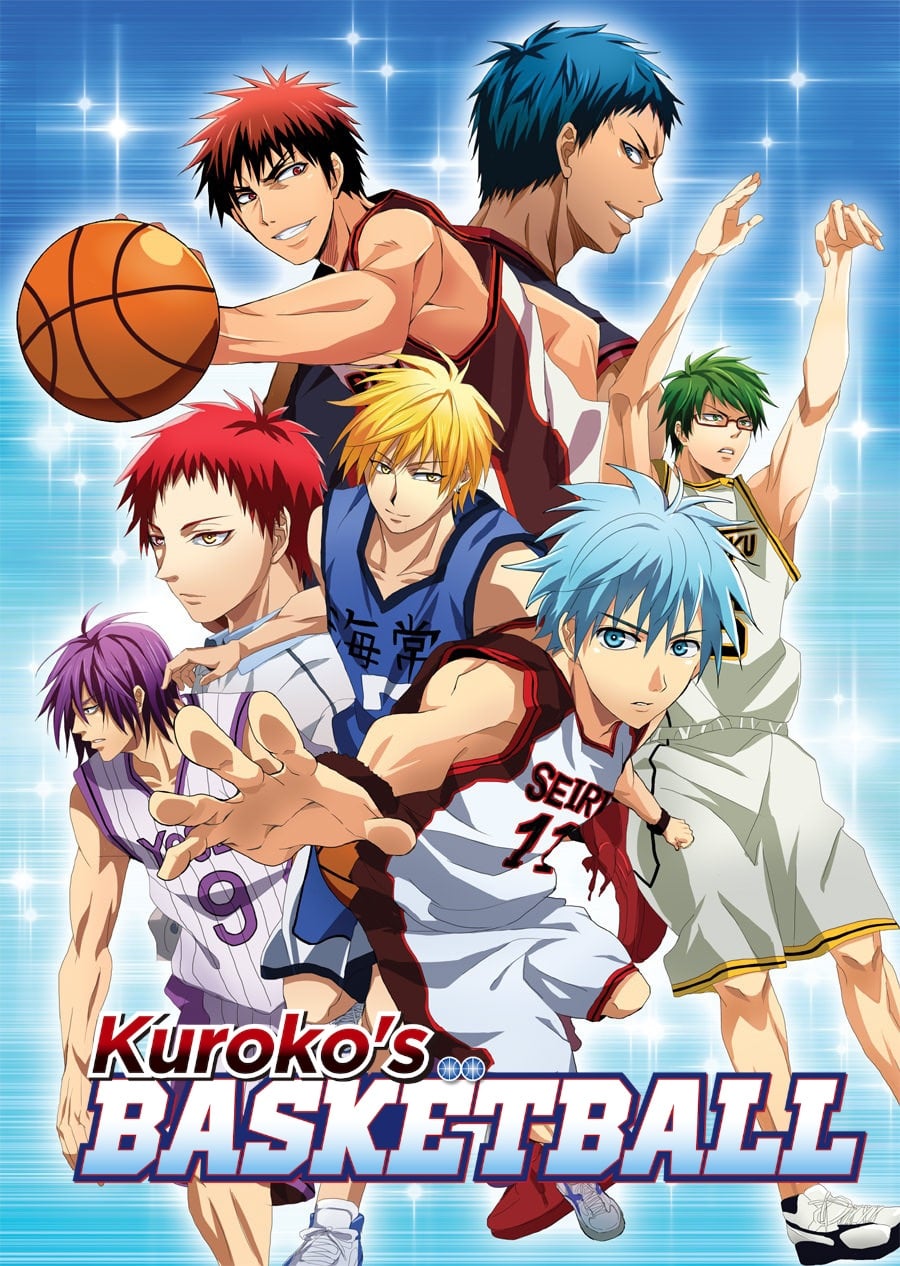
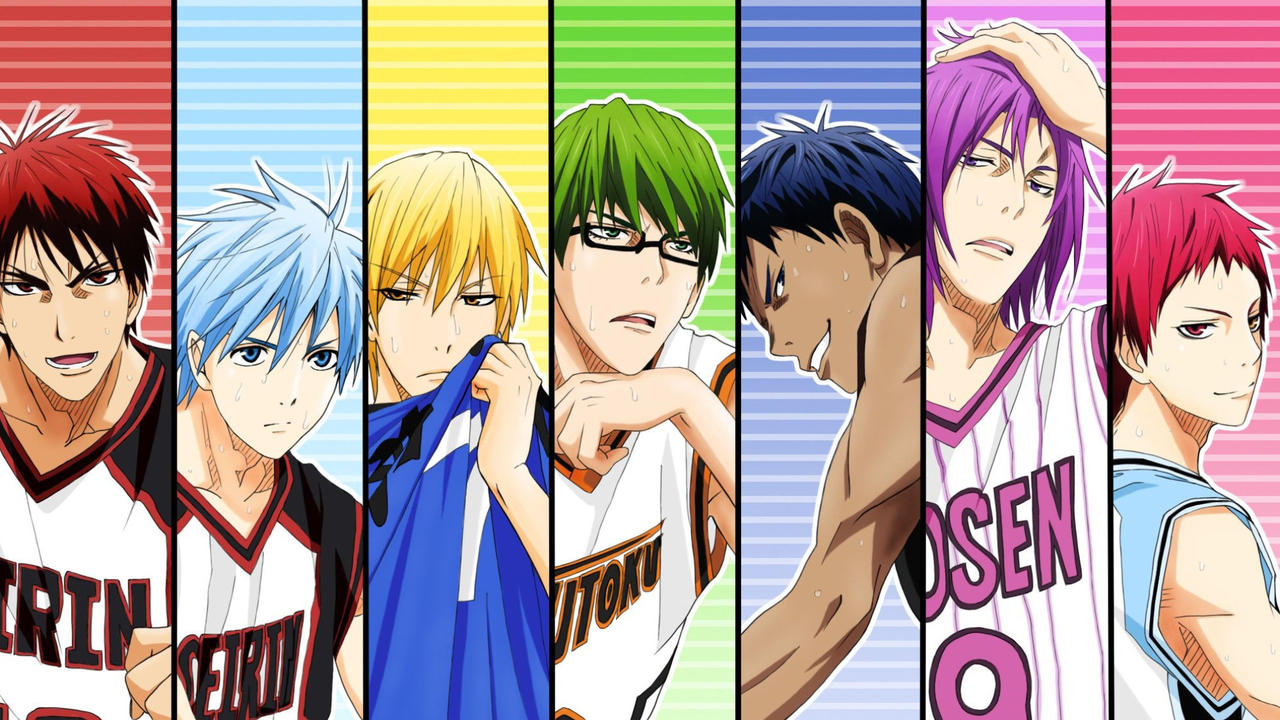
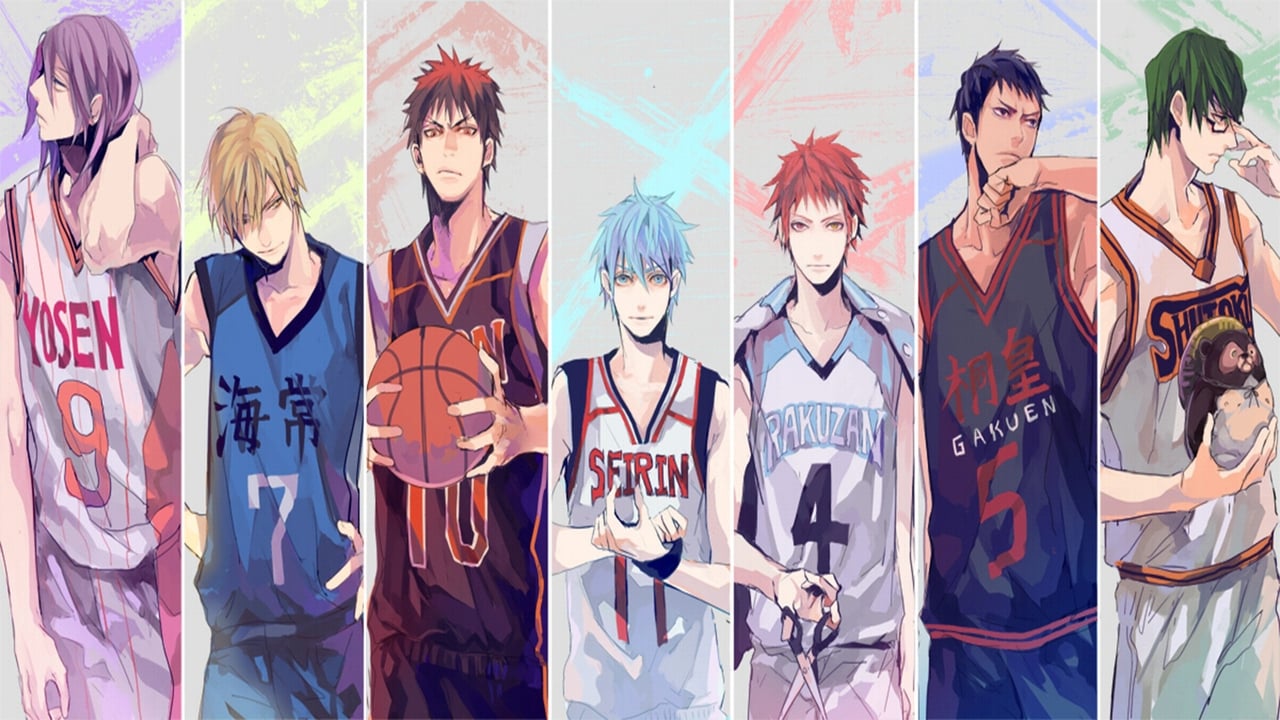
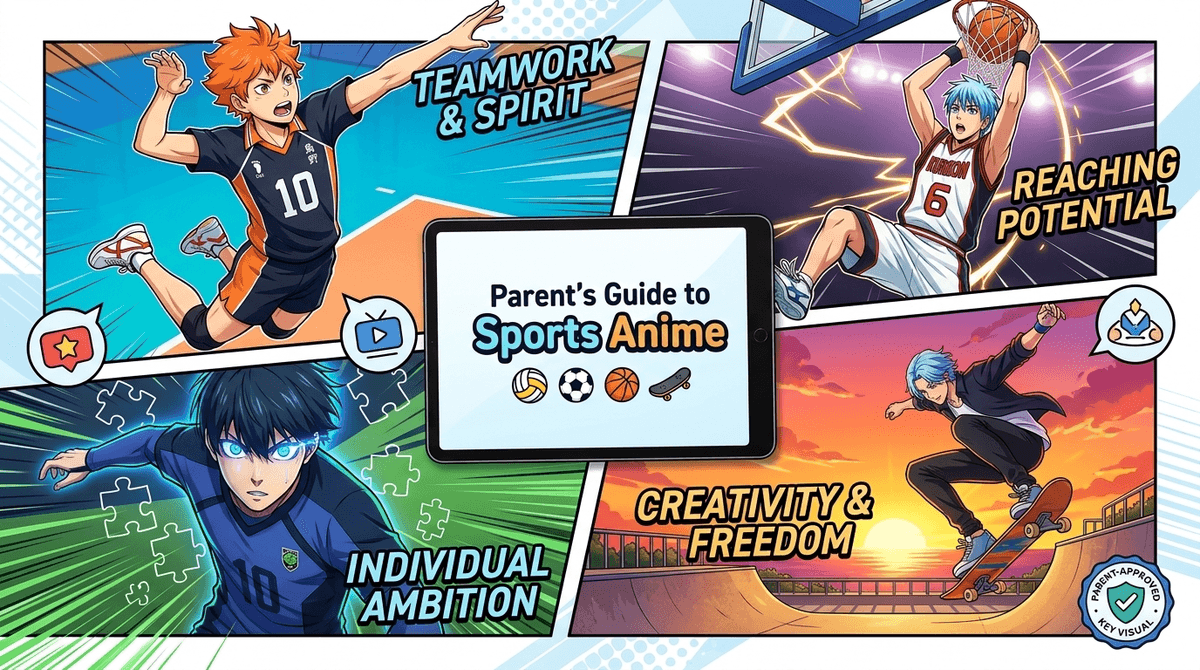
The hook is the "Generation of Miracles," five middle-school prodigies who were so dominant they became bored with the sport. Now in high school, they’ve split up to different teams. Our protagonist, Kuroko, was their "phantom" sixth man, and he’s out to prove that his style of team-oriented play can beat their individual ego-driven talent. It’s a classic underdog setup, but the stakes feel massive because the animation makes every three-pointer look like a meteor strike. If your kid is already deep into the world of sports anime, this is likely the one they’ll find most "hype."
The "Generation of Miracles" problem
The show’s biggest strength is also its main point of friction: the escalation. By the second season, the players aren't just good; they are essentially superhuman. One character can copy any move he sees perfectly; another can shoot from literally anywhere on the court without missing.
This makes for great TV, but it can be a bit confusing for a kid who actually plays the game. If they try to replicate these "moves" at team practice, they’re going to get benched. It’s worth treating this more like a superhero show than a coaching tool. If they want something that translates better to their Saturday morning league, you might want to look at basketball movies and games that focus on IQ and fundamentals.
Where the friction is
While the show is generally wholesome and focuses on grit and friendship, there are two things that might catch you off guard:
- The Melodrama: These characters don't just lose games; they experience soul-crushing existential crises. There is a lot of "you’ve lost your light" and "I’ll show you the depths of despair" talk. It’s very dramatic, which usually lands well with middle schoolers but can feel a bit theatrical to adults.
- Character Design: Some viewers on Reddit and IMDb have pointed out that while the male characters are the focus, the few female characters (mostly coaches or managers) are often drawn with some exaggerated, "mutant-like" proportions that feel out of place in a sports show. It’s a common anime trope, but it’s there.
Why it still hits in 2026
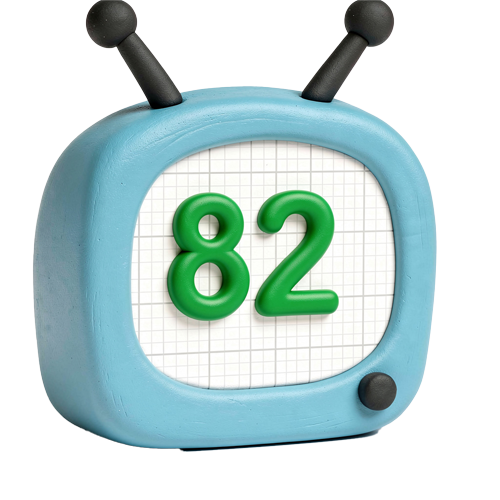
Even though it’s over a decade old, the production value holds up. The 8.2 IMDb score is earned. The pacing is much faster than older sports hits, where a single game could take twenty episodes. Here, the action moves quickly, and the "special abilities" keep the visual interest high. It’s a perfect "bridge" show—something that feels more mature than a cartoon but isn't as grim or violent as some of the more intense action series on Netflix. It’s about the obsession required to be the best, and that’s a vibe most competitive kids will instantly recognize.