If your kid is currently in their "horse phase," this is the heavy hitter. While many horse books for kids focus on suburban stables or magical ponies, King of the Wind is an epic historical drama. It’s essentially the origin story of the modern thoroughbred, following a stallion named Sham and his devoted groom, Agba, across three countries.
The "Origin Story" of the Modern Horse
This isn't just a fictional adventure; it’s a fictionalized account of the Godolphin Arabian, one of the three stallions that founded the modern racing bloodline. For a kid who loves facts and pedigree, that historical weight makes the story feel much more significant than a standard animal tale.
The central conflict—the "wheat ear" marking on Sham's chest symbolizing misfortune versus the white spot on his heel symbolizing speed—is a classic setup. It teaches a lesson about prejudice and surface-level judgments without being preachy. Sham is constantly underestimated because of a superstition, which is a feeling many middle-grade readers identify with.
Navigating the 18th-Century Grime
You should be aware that the 1700s weren't kind to animals or people. The book doesn't shy away from the hardship Sham and Agba face as they move from the Sultan’s stables in Morocco to the cold, damp streets of Paris and eventually to England. There are moments of genuine cruelty—Sham is overworked, starved, and mistreated by various owners.
If your child is particularly sensitive to animal suffering, you might want to read this one together. The payoff is worth it, but the "middle" of this book is a gauntlet of misfortune. It’s the grit that makes the eventual recognition of Sham’s greatness so satisfying, but it’s a far cry from the sanitized animal stories found on most modern shelves.
The Silent Bond
One of the most interesting choices Marguerite Henry made was making the protagonist, Agba, a mute. Because he cannot speak, his relationship with Sham is built entirely on observation and physical devotion. This adds a layer of quiet intensity to the book. It forces the reader to pay attention to small details—the way a horse moves its ears or the way Agba cares for Sham’s coat—rather than relying on dialogue to move the plot.
It’s a slower, more meditative style of storytelling. If your kid is used to the breakneck pace of Wings of Fire or Warrior Cats, they might find the first few chapters a bit of a slog. However, for the reader who likes to immerse themselves in a different time and place, the rich descriptions of the Sahara and the royal courts of France are top-tier.
If Your Kid Liked...
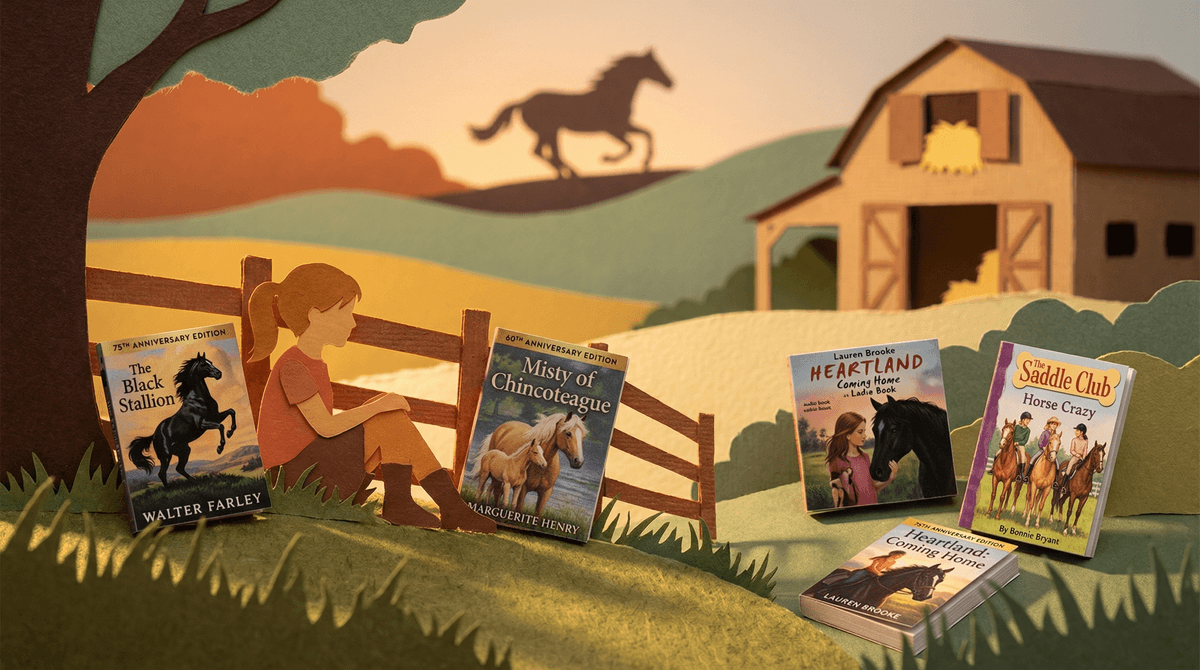
If they’ve already burned through The Black Stallion or Black Beauty, this is the logical next step. It’s more historically dense than The Black Stallion but shares that same sense of a "one-person horse."
If they are coming from lighter series like Pony Pals, be prepared for a significant jump in vocabulary. Words like "discordant" and "foal" aren't there to trip kids up; they’re there because Henry respects her audience enough to use the right word for the job. This is a "level up" book—the kind that turns a casual reader into a confident one.