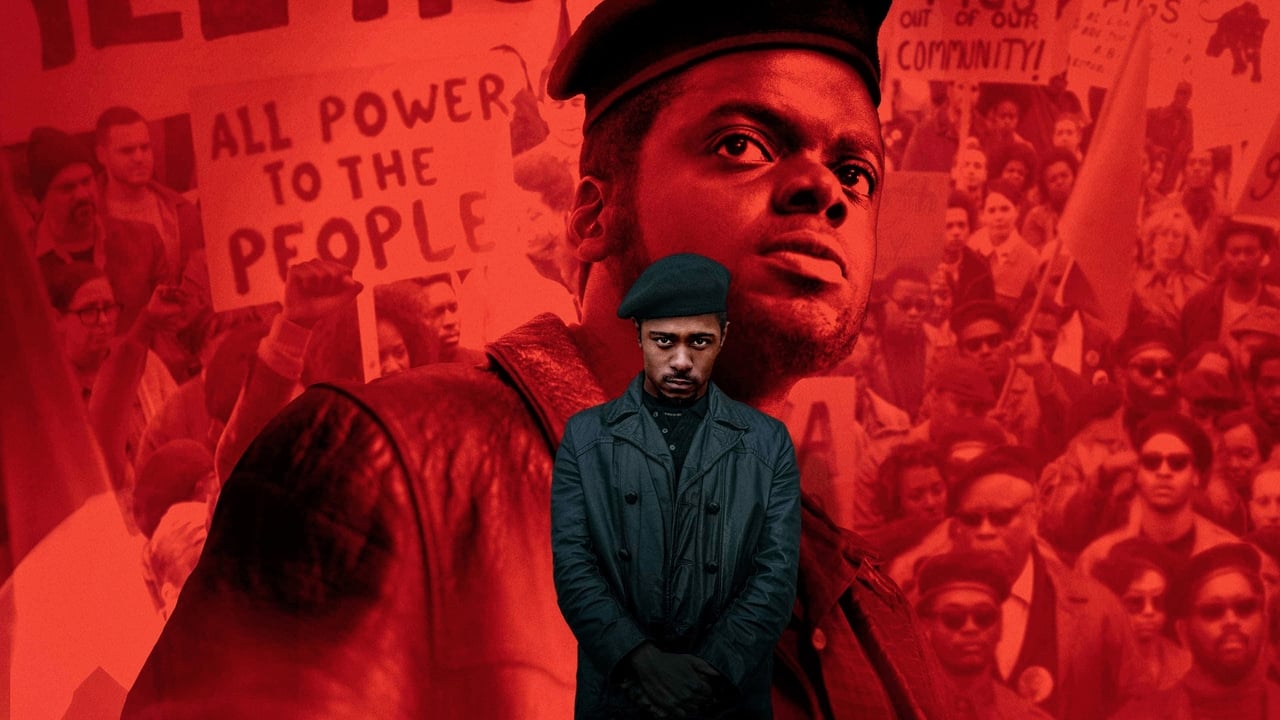
Most high school history books stop at "I Have a Dream." This movie starts where the textbooks get nervous. It isn't a dry lecture or a sanitized tribute; it's a high-stakes undercover thriller that happens to be true. If your teen is used to the polished, slightly theatrical version of the 1960s seen in something like The Trial of the Chicago 7, this will feel like a bucket of cold water. It’s grittier, louder, and much more interested in the paranoia of being watched by your own government.
The "Judas" perspective
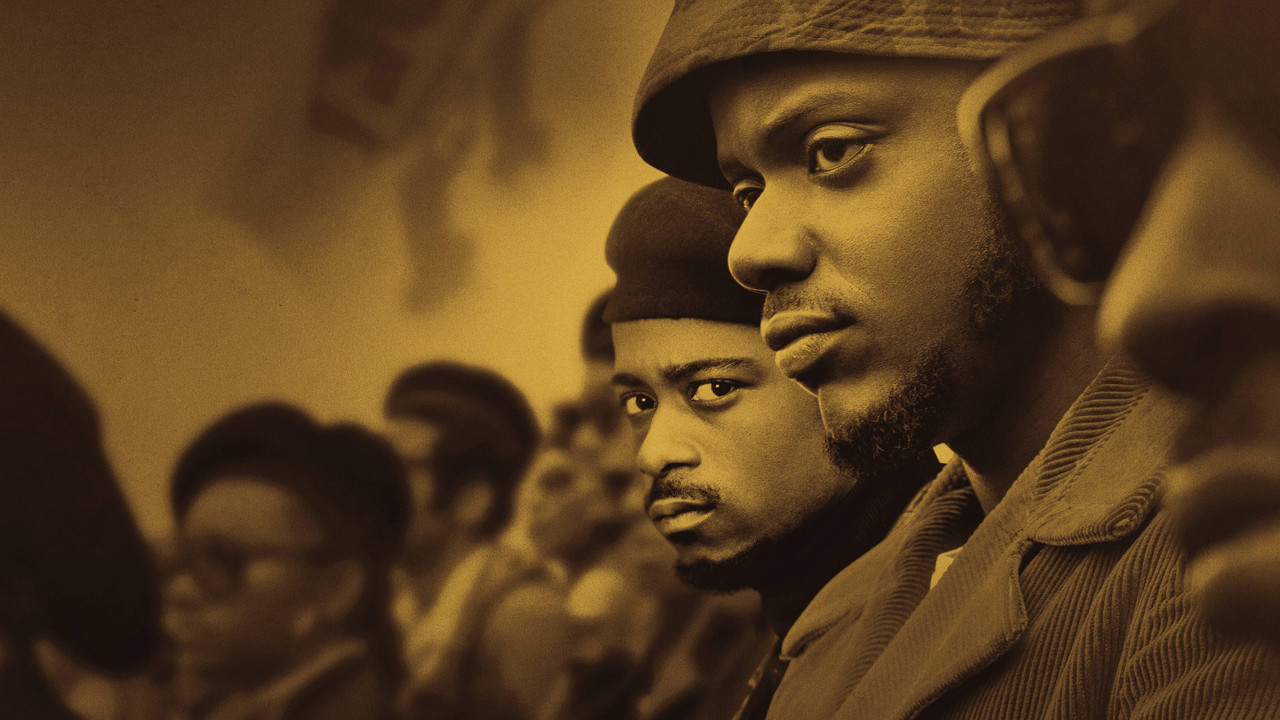
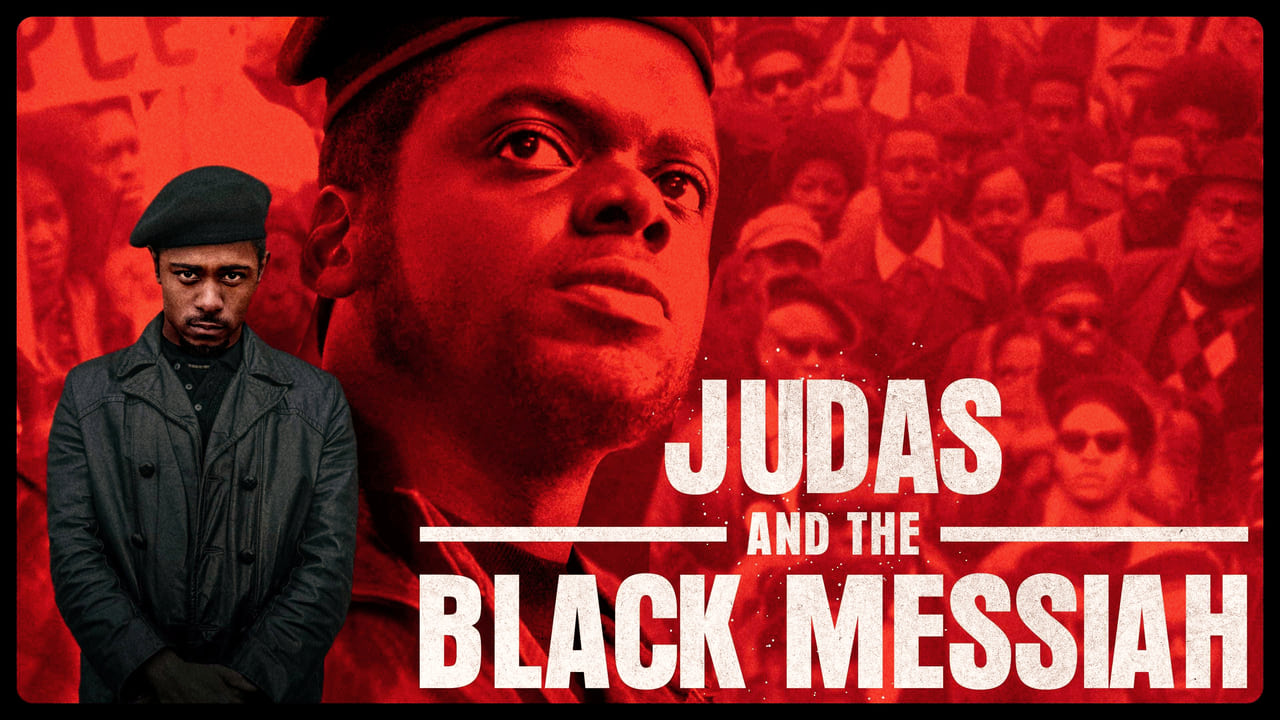
The movie’s smartest move is centering the story on Bill O'Neal rather than just Fred Hampton. LaKeith Stanfield plays O'Neal as a man who is constantly, visibly vibrating with anxiety. He isn't a mustache-twirling villain; he’s a petty criminal coerced into a situation where he has to choose between his own freedom and the lives of people who actually care about him.
This makes for a great conversation about biographies and historical fiction. Watching O'Neal struggle with the weight of his betrayal helps kids see history not as a series of inevitable events, but as a collection of choices made by terrified, compromised people. It’s a masterclass in showing how systems of power can turn people against their own communities.
The "Messiah" energy
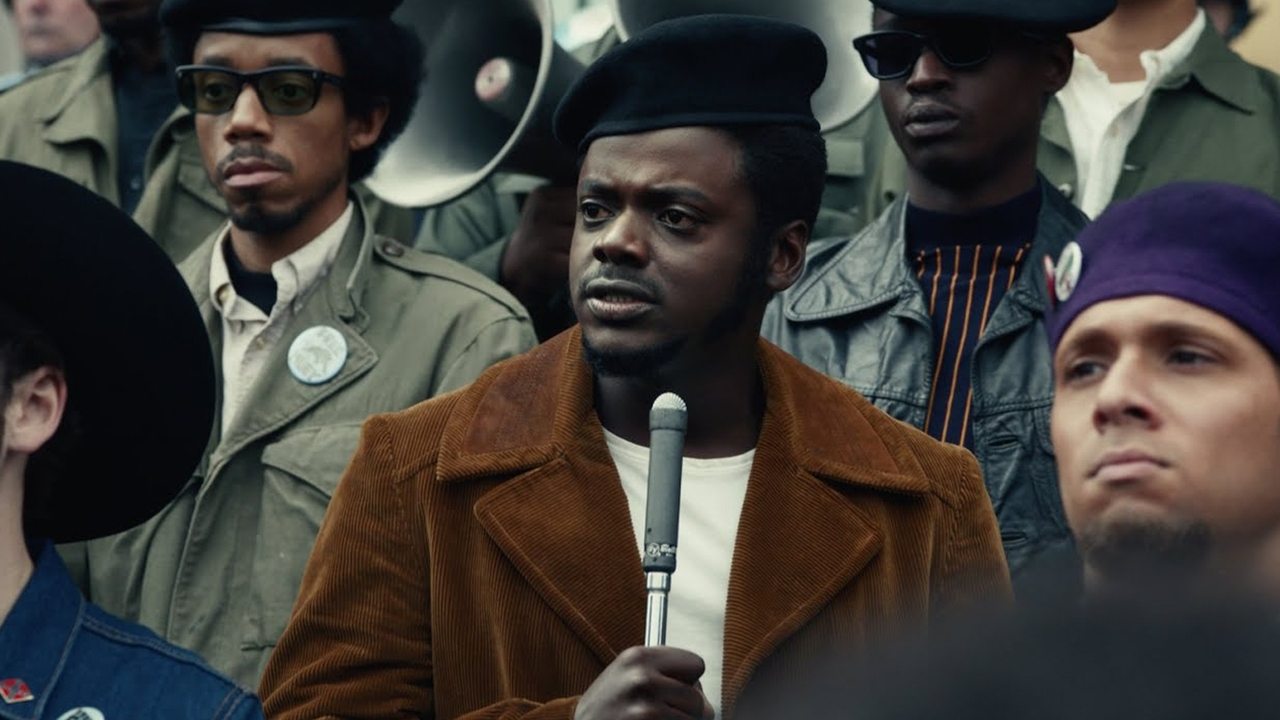
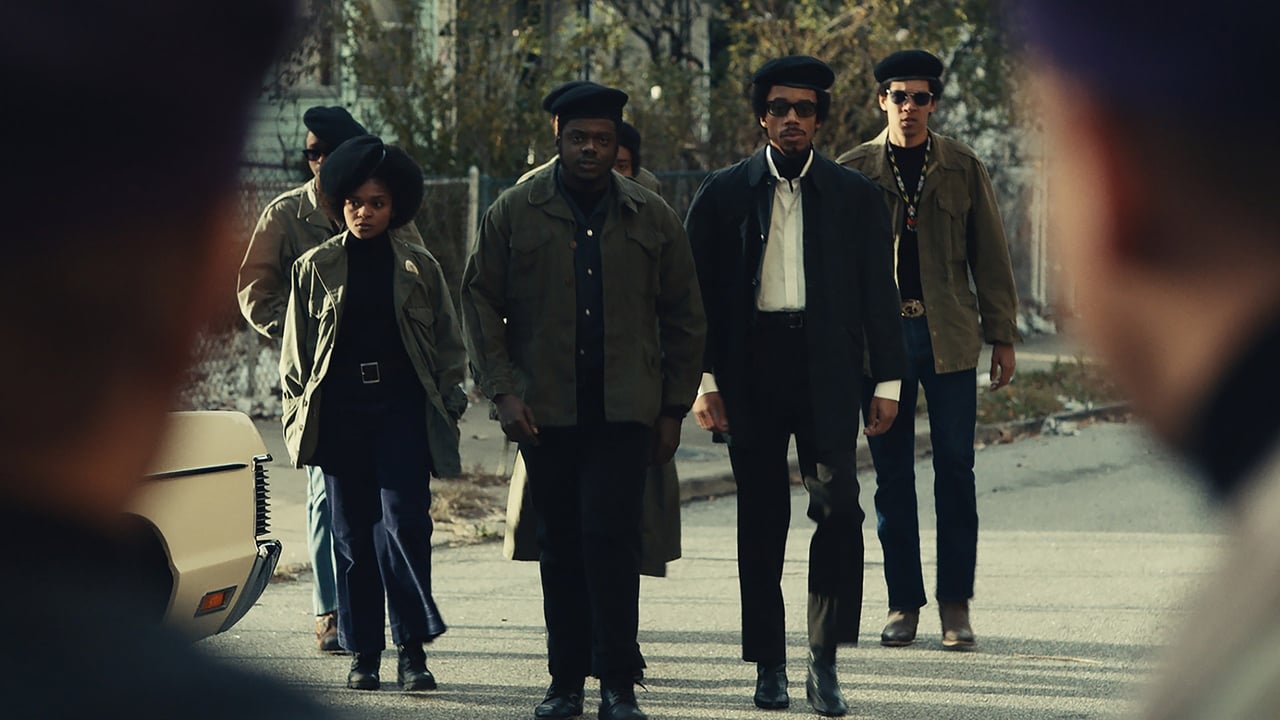
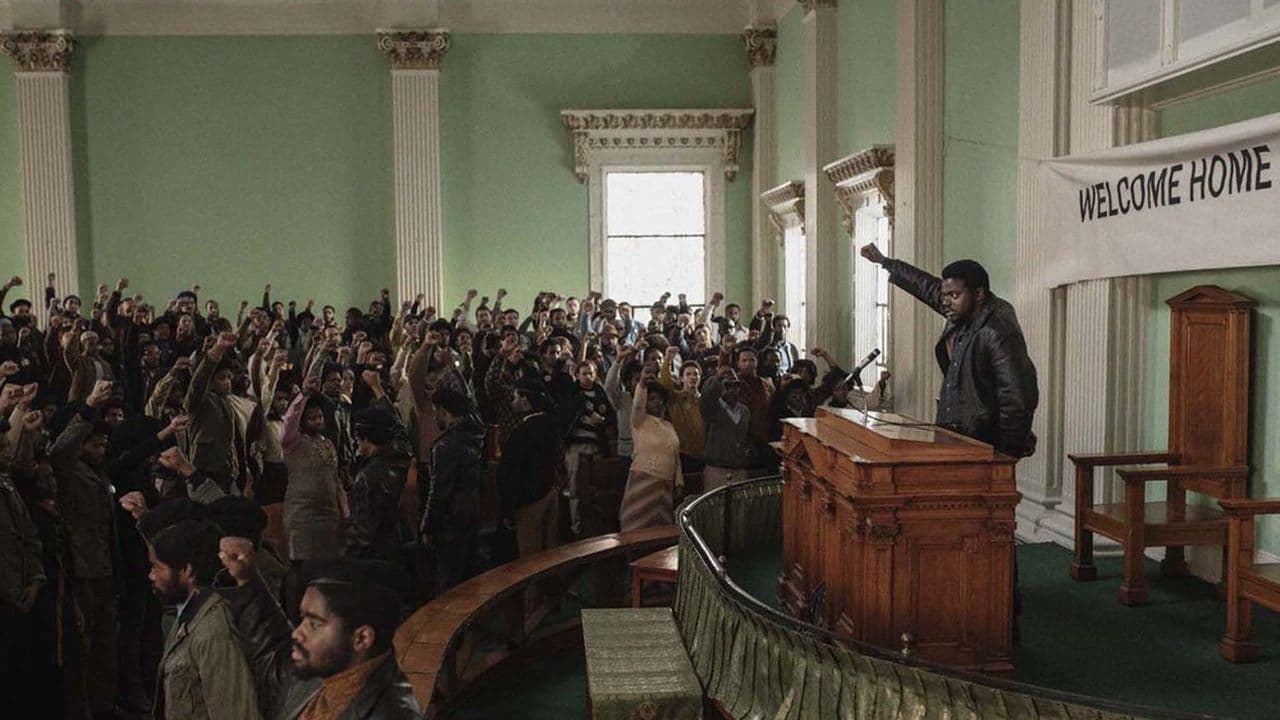
Daniel Kaluuya’s performance as Fred Hampton is magnetic. He captures the specific kind of oratorical power that made the FBI so terrified of a 21-year-old. When he’s leading a "I am a revolutionary" chant, you feel the floor shake. It’s important for teens to see this side of the Black Panther Party—the community breakfast programs, the medical clinics, and the "Rainbow Coalition" of different races working together—which often gets buried under the "militant" label.
If you’re looking for a way to bridge the gap between 1969 and today’s headlines, this is the anchor. It’s a cornerstone for any parent's guide to Black history movies because it refuses to simplify the politics. It shows exactly why Hampton’s message of class solidarity was considered a bigger threat to the status quo than any weapon.
Why the R rating matters
The violence here is sudden and ugly. It’s not "action movie" violence; it’s the kind of violence that leaves you feeling sick. The final raid is particularly hard to watch because the film has spent two hours making you like the people in that apartment.
Don't let the 15+ age suggestion fool you into thinking this is an easy watch. It’s a heavy lift. But for a teen who is starting to ask questions about surveillance, policing, or how "official" history gets written, it’s essential. It’s the kind of movie that stays in your head for a week, making you look at every statue and textbook a little differently. If they liked the tension of The Departed or the political urgency of BlacKkKlansman, this is the natural next step.