The Raw Roots of J-Horror
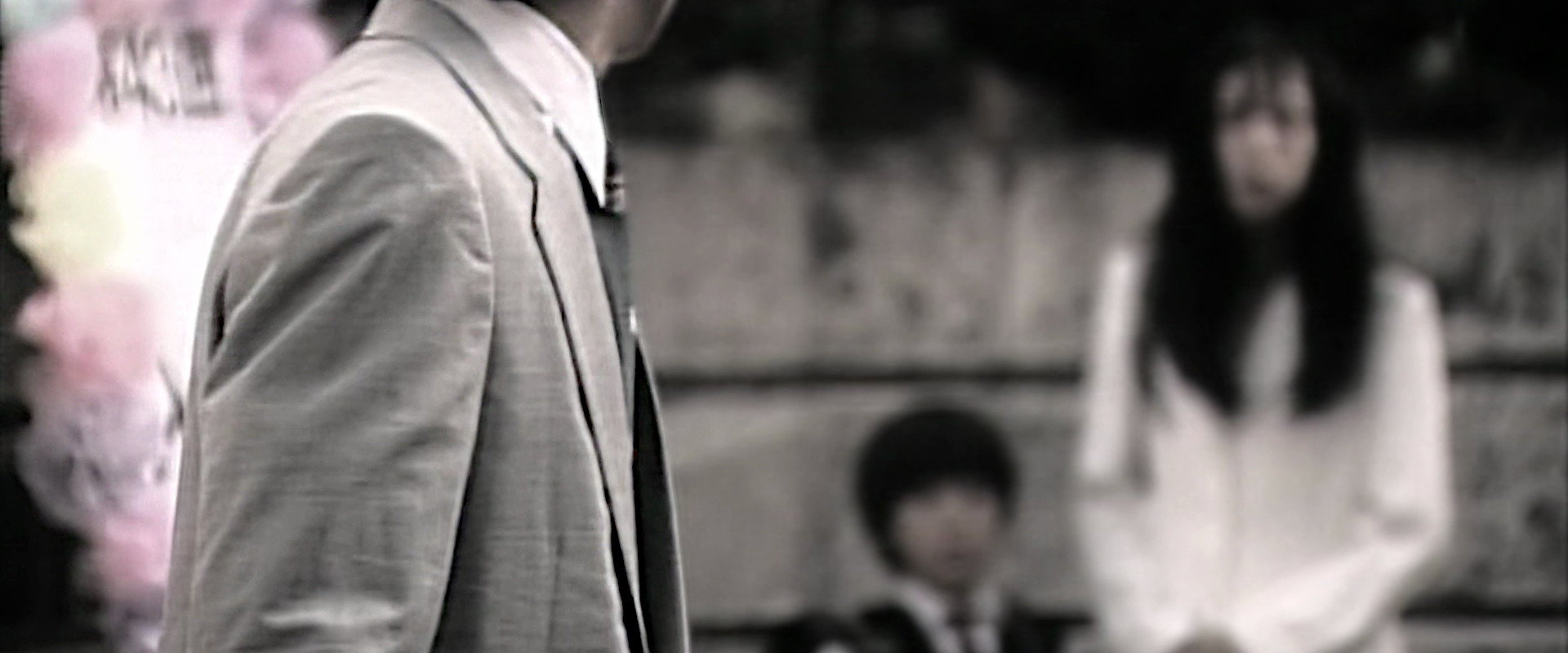
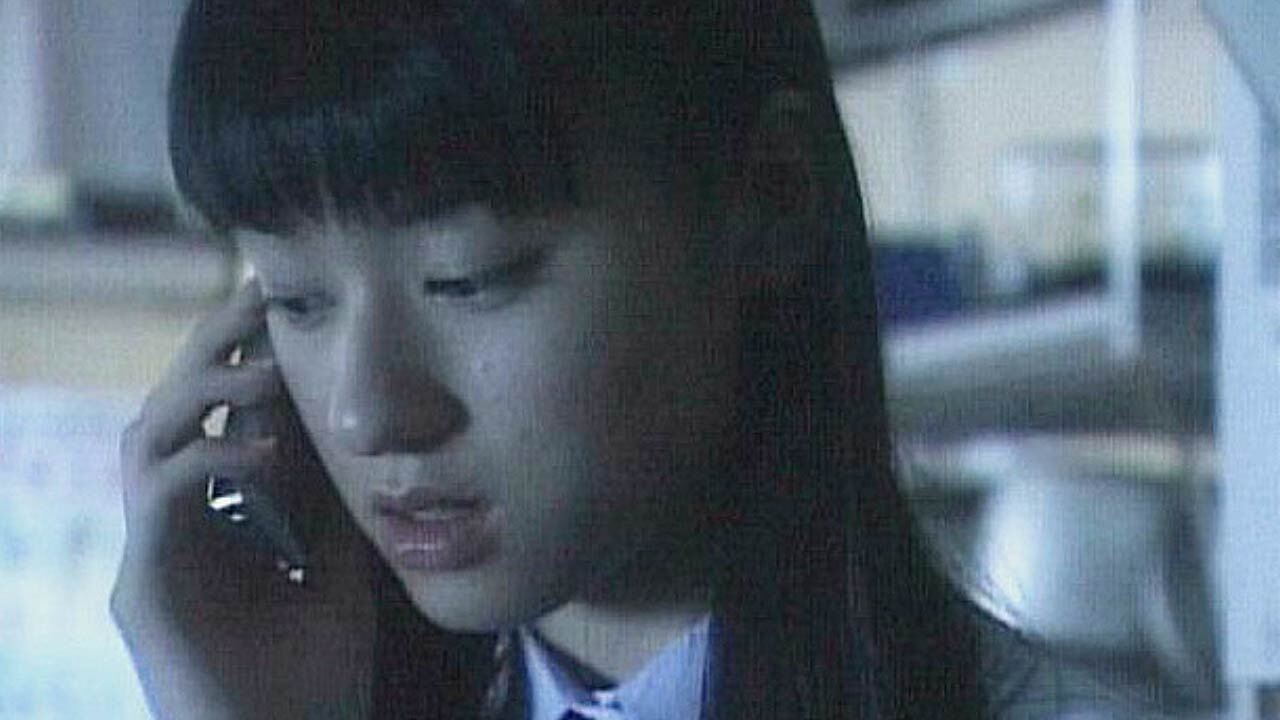
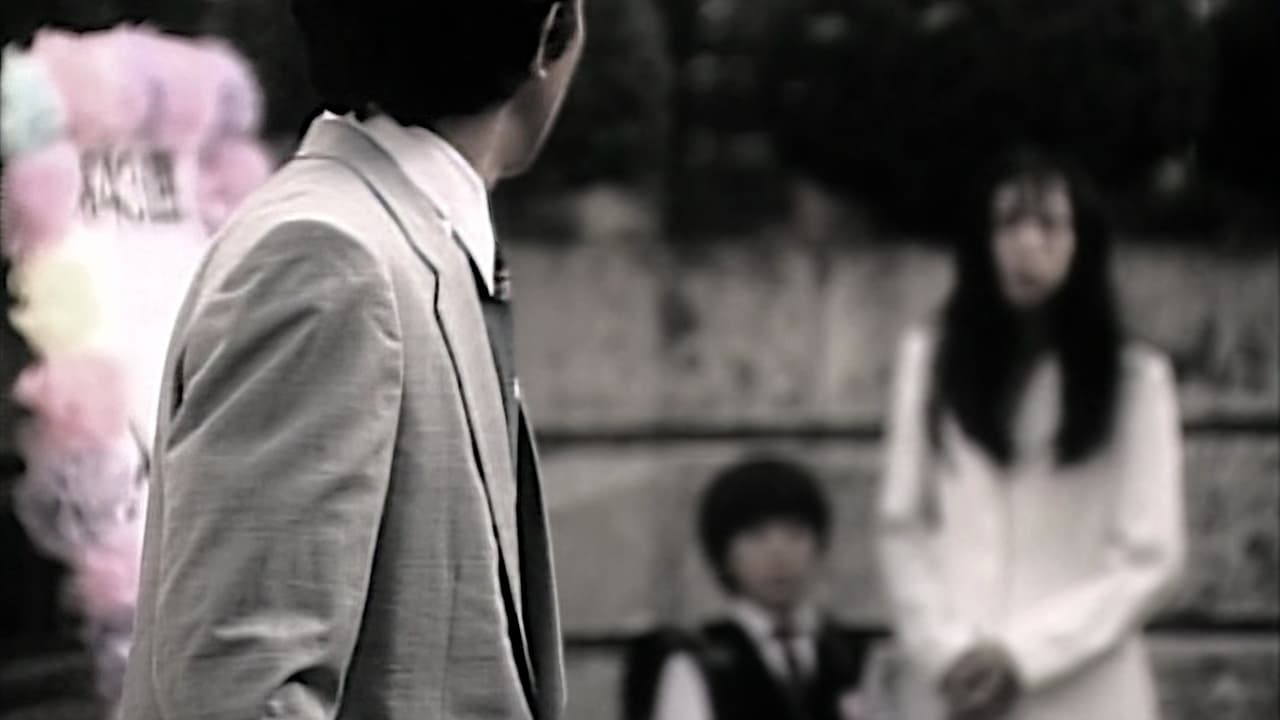
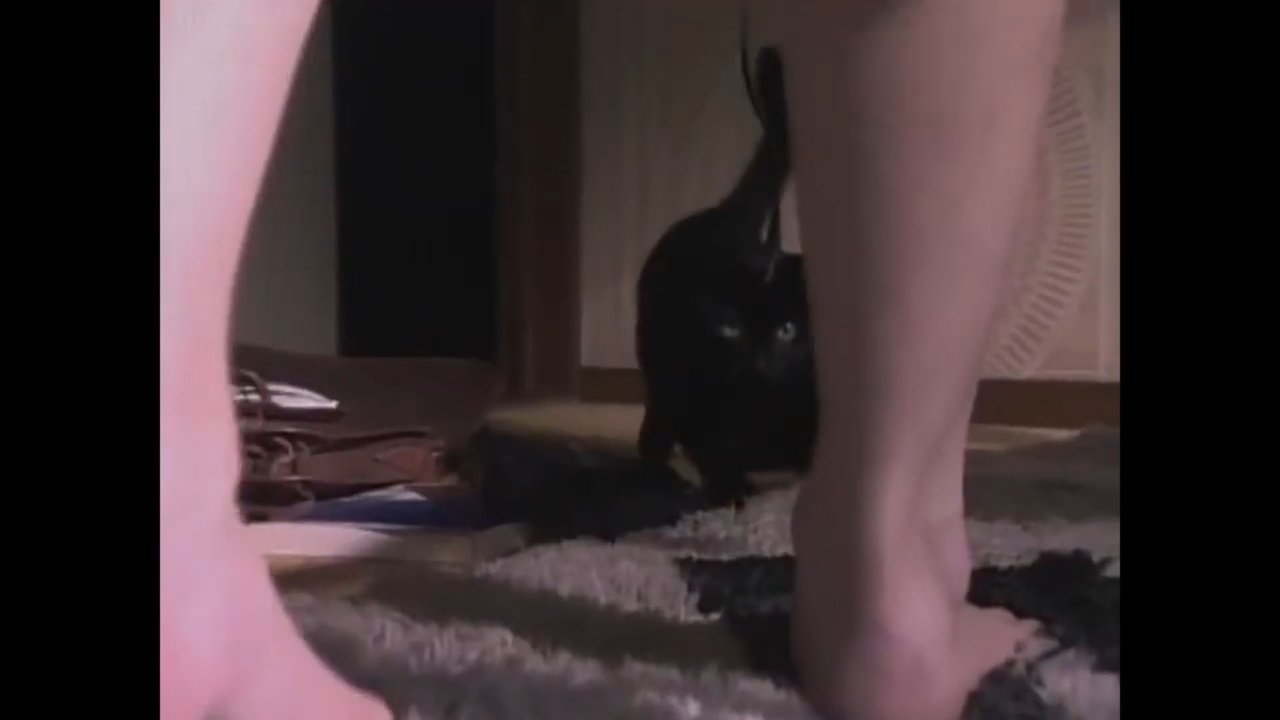
Before the 2004 Sarah Michelle Gellar remake and even before the 2002 theatrical Japanese version, there was this: a low-budget, direct-to-video experiment that changed horror forever. Ju-on: The Curse doesn't have the polish of its sequels, but that’s exactly why it works. The graininess of the film stock makes everything feel grimy and real, like you're watching something you shouldn't be seeing.
Why the 'V-Cinema' Style Matters
In the late 90s and early 2000s, Japanese 'V-Cinema' (direct-to-video) allowed directors to take massive risks. Takashi Shimizu used this freedom to ditch the traditional three-act structure. Instead, the movie is a series of interconnected vignettes. You see the curse claim one victim, then jump back or forward in time to see how it started or where it went next. For a modern kid used to the 'hero's journey' in Marvel movies, this can be a jarring but fascinating introduction to experimental cinema.
The Scares Are Different
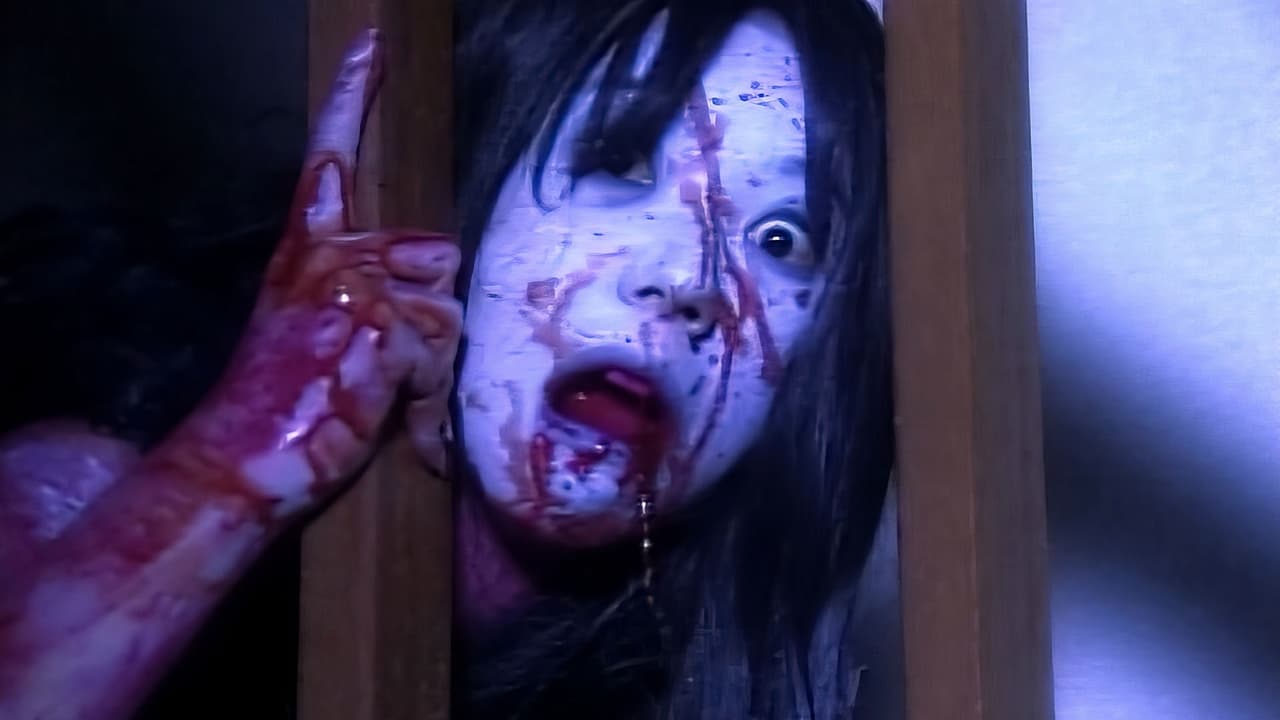
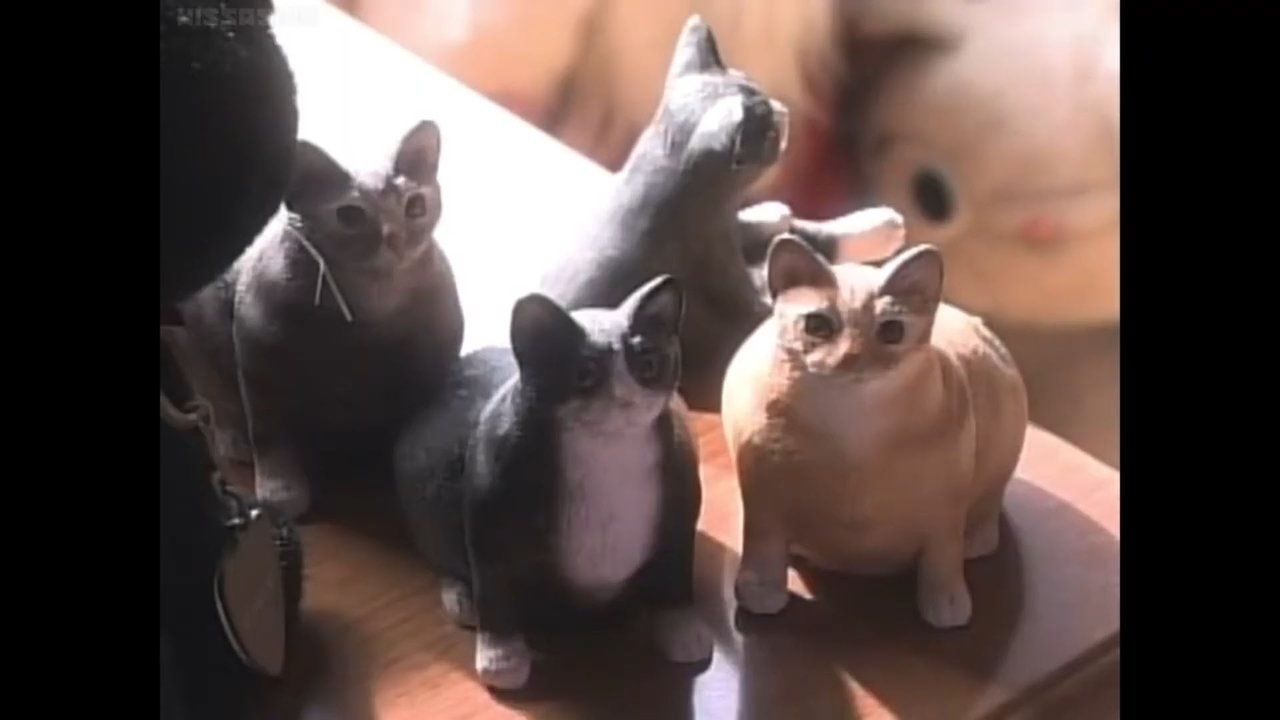
This isn't a 'cat-jumping-out-of-a-cupboard' kind of movie. It’s about the slow realization that something is in the room with you. The sound design is the real star here. The infamous death rattle (the 'croak') is a permanent part of the horror lexicon for a reason.
If you're watching this with a teen, it’s a great chance to talk about subtraction in art. The movie does so much with so little—no big stars, no massive sets, just a suburban house and some white face paint. It’s proof that the most effective tool in a filmmaker's kit is the audience's own imagination.