The antidote to hyper-active animation
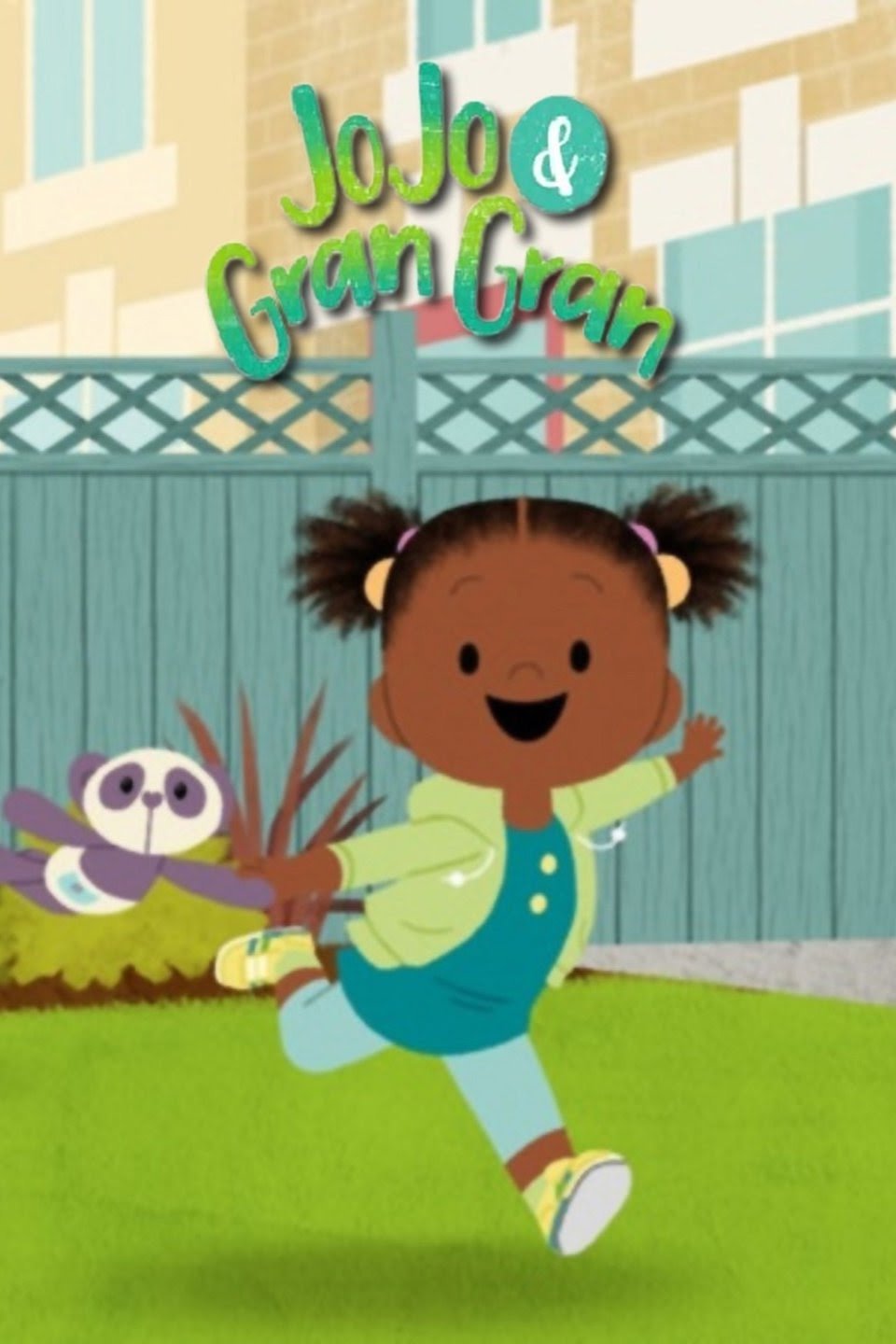
If your living room usually feels like a high-decibel battleground of neon colors and frantic editing, this show is the reset button you didn't know you needed. Most modern preschool media is designed to hijack a child's dopamine system with three-second cuts and constant noise. This series takes the opposite approach. It’s "slow TV" for the under-five set.
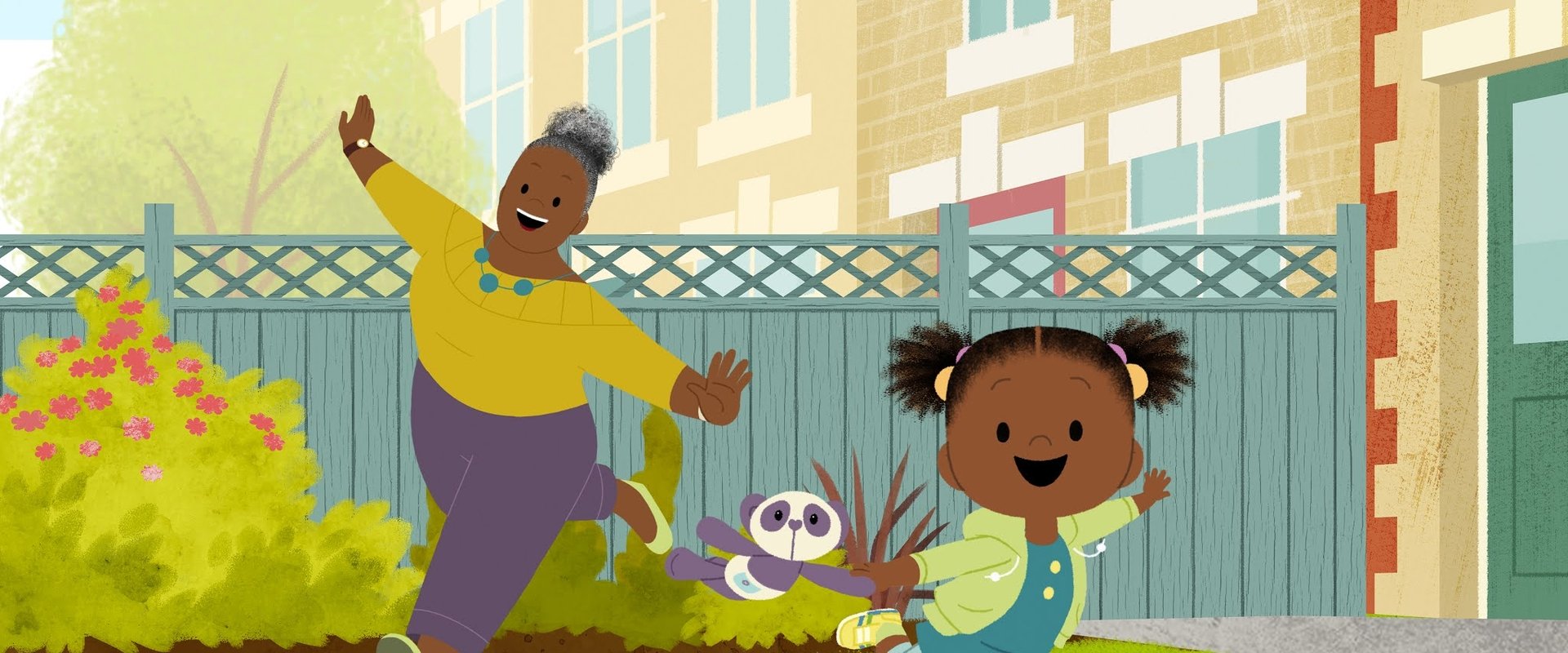
The pacing mirrors the actual rhythm of a child’s life. When JoJo waits for a sunflower to grow or walks to the park, the show lets those moments breathe. It doesn't treat a trip to the post office like an Avengers-level threat. For parents, this means you can actually leave the room to start a load of laundry without worrying that your kid is being overstimulated into a post-screen meltdown. It’s one of the few shows that genuinely lowers the temperature of the room.
Living up to the Gran Gran standard
There is one specific "side effect" for parents to watch out for: the Gran Gran benchmark. Within the world of the show, Gran Gran is the ultimate grandmother. She has a craft, a story, or a planned outing for every single visit. She never seems tired, she never checks her phone, and she has a Mary Poppins-style ability to turn a rainy afternoon into a cultural event.
You will inevitably face the "Why don't we do that?" question. While the show is grounded in reality, it depicts a version of grandparenting that is entirely dedicated to the child’s whims. It’s lovely to watch, but it sets a high bar for the actual grandparents in your life. If your kid starts expecting a full itinerary of artisanal crafts every time they visit family, you can blame the perfection of Gran Gran.
More than just "representation"
We talk a lot about diversity in kids' media, but it often feels like a corporate checklist. This show feels different because it is deeply specific. It doesn’t just feature a Black family; it celebrates British-Caribbean heritage through food, music, and community traditions in a way that feels lived-in.
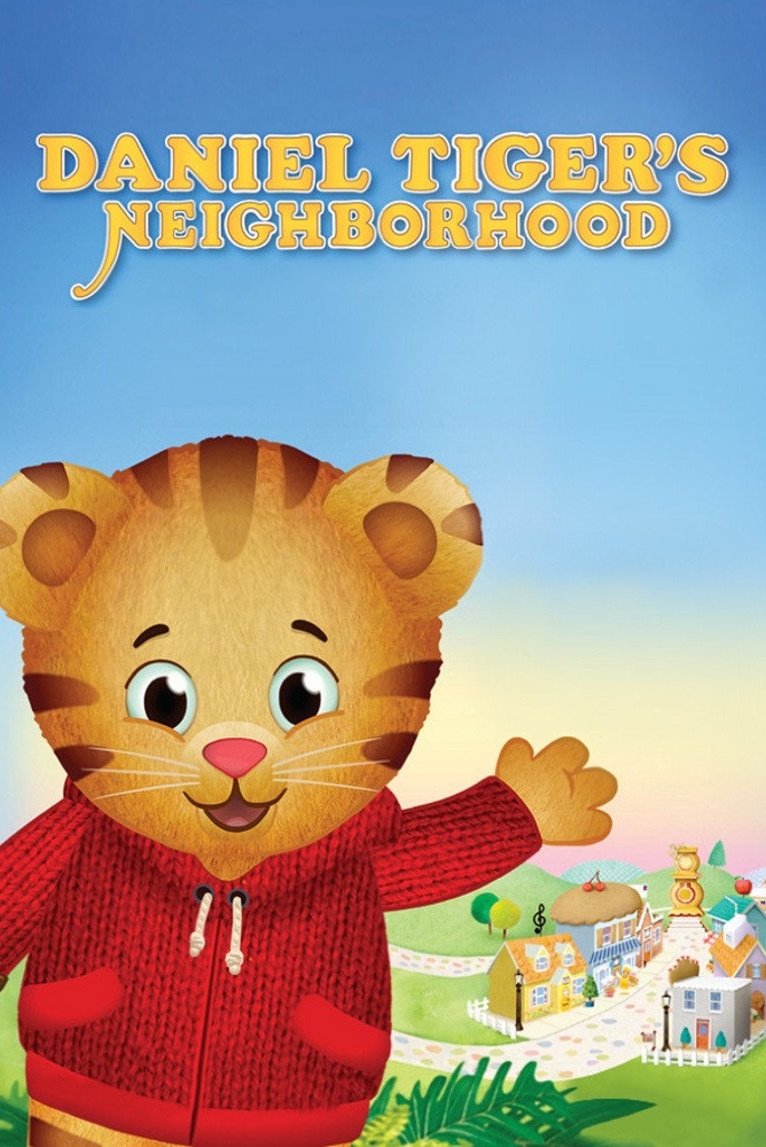
The inclusion of real-life segments—where actual children explain things like how to bake or how a library works—bridges the gap between the animation and the real world. It grounds the "lessons" in something tangible. If your kid is a fan of Daniel Tiger but you find the constant singing a bit grating, or if they’ve outgrown the simple loops of Peppa Pig, this is the natural next step. It offers more emotional depth and a much more sophisticated aesthetic without losing the gentle touch that toddlers require.
The "ancient history" factor
One of the funniest, most relatable frictions for adult viewers is the way the show treats technology. To JoJo, things we used ten or fifteen years ago are basically artifacts from the Bronze Age. When Gran Gran pulls out a CD or a physical photograph, the show treats it with the kind of "long ago" wonder usually reserved for dinosaurs. It’s a gentle reminder of how fast the world moves, and it might make you feel a little prehistoric. But it also opens the door for you to talk about your own childhood "artifacts" in a way that feels like a shared discovery rather than a lecture.