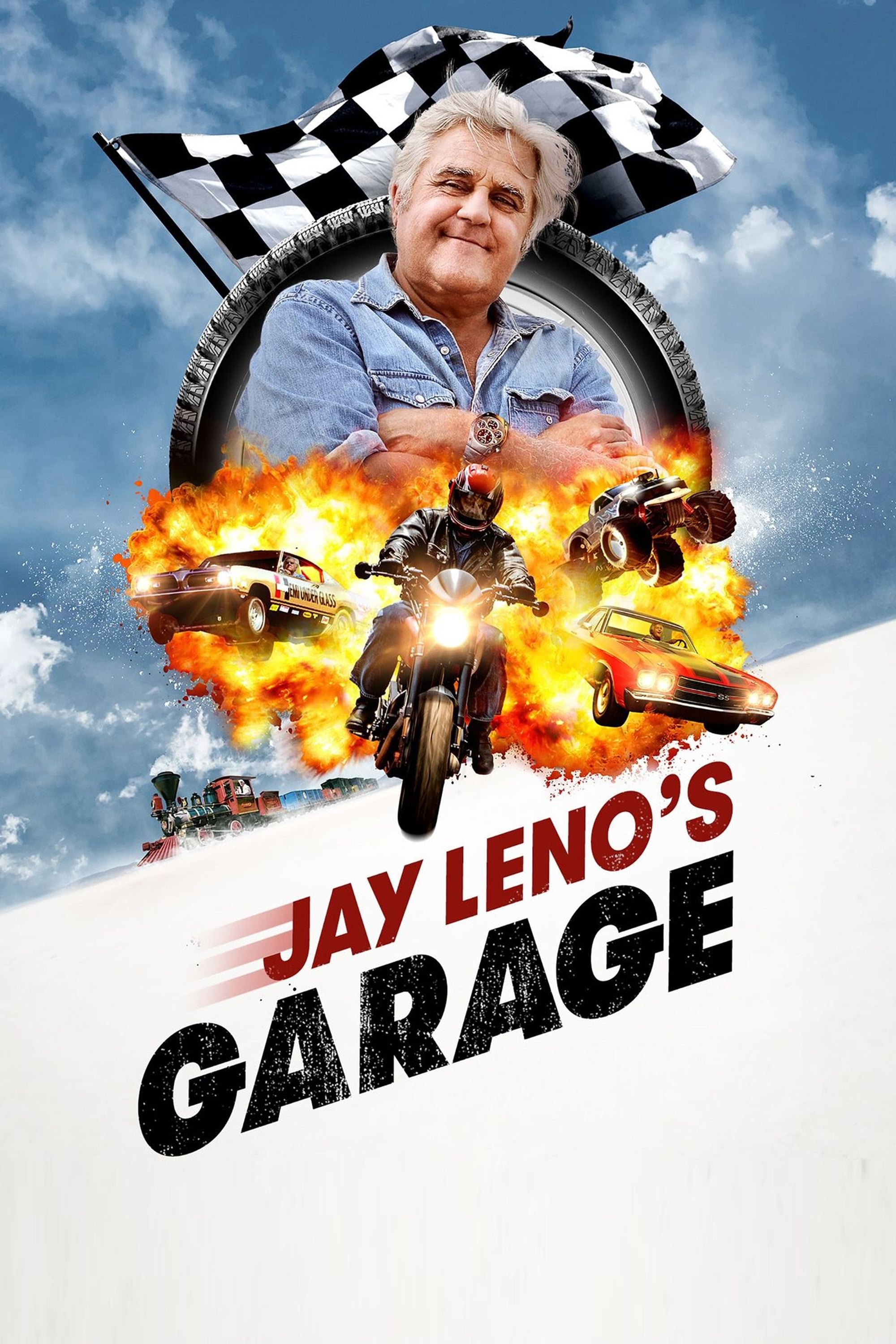
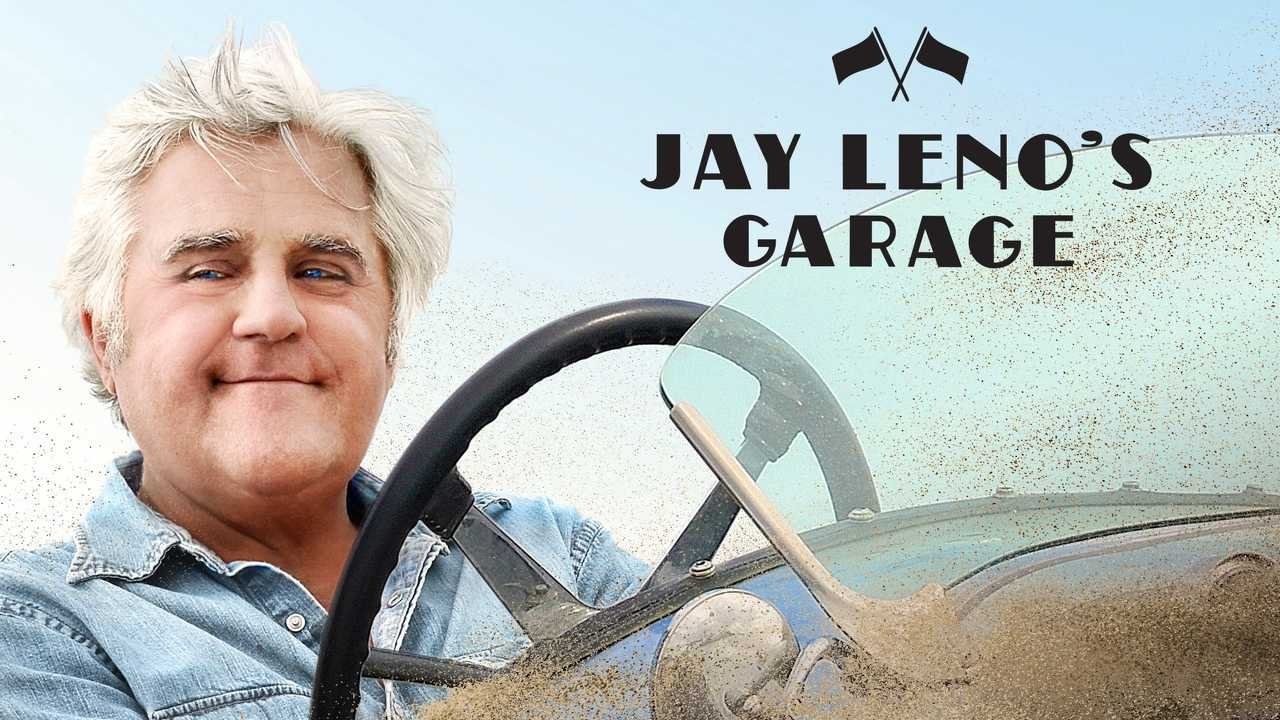
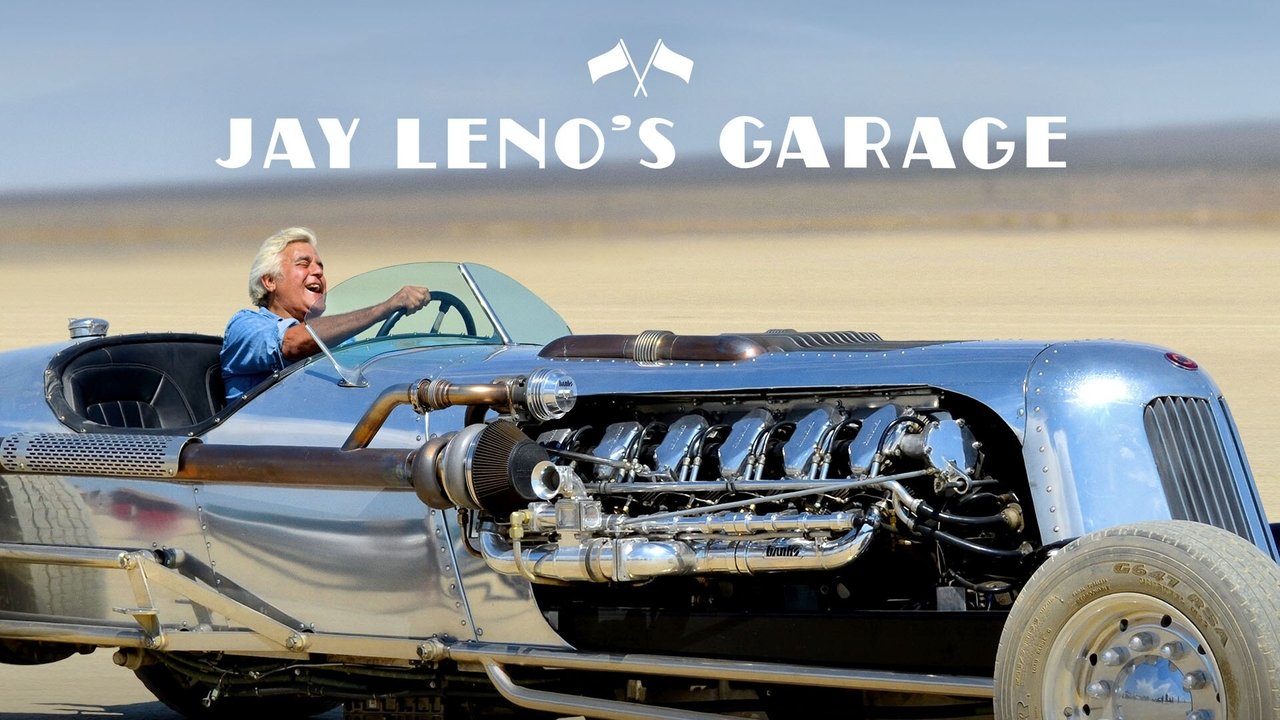
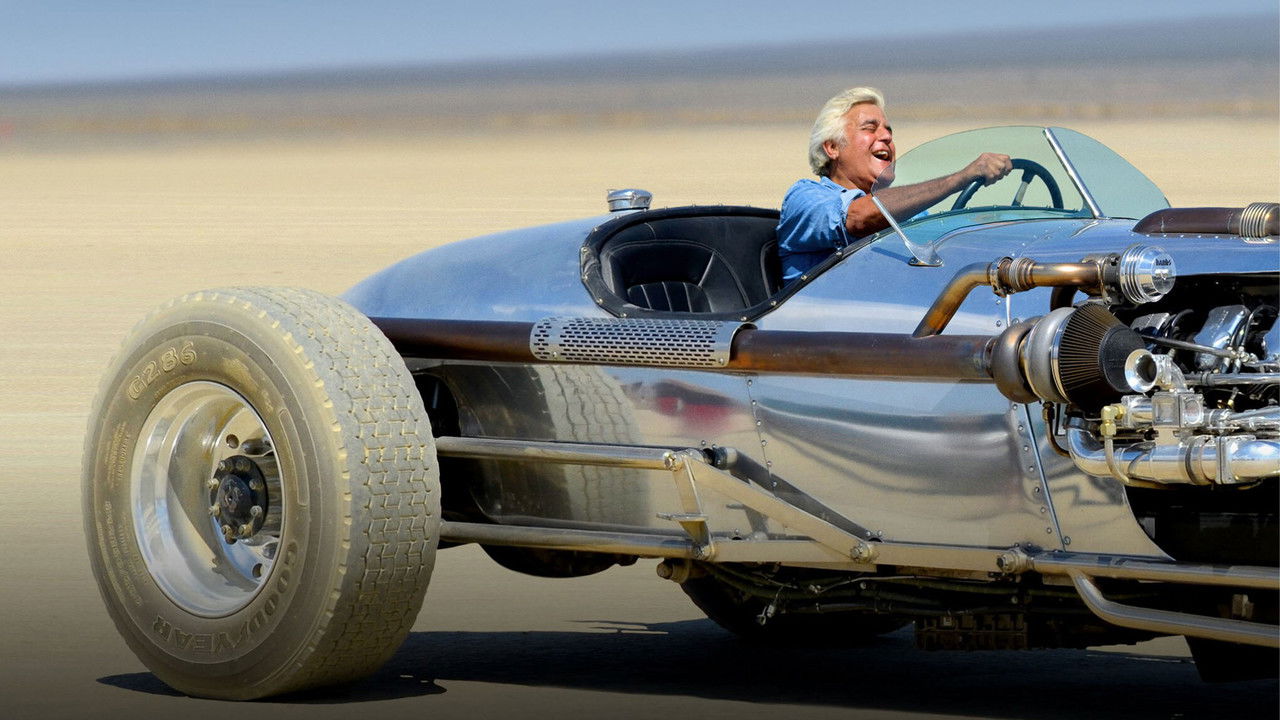
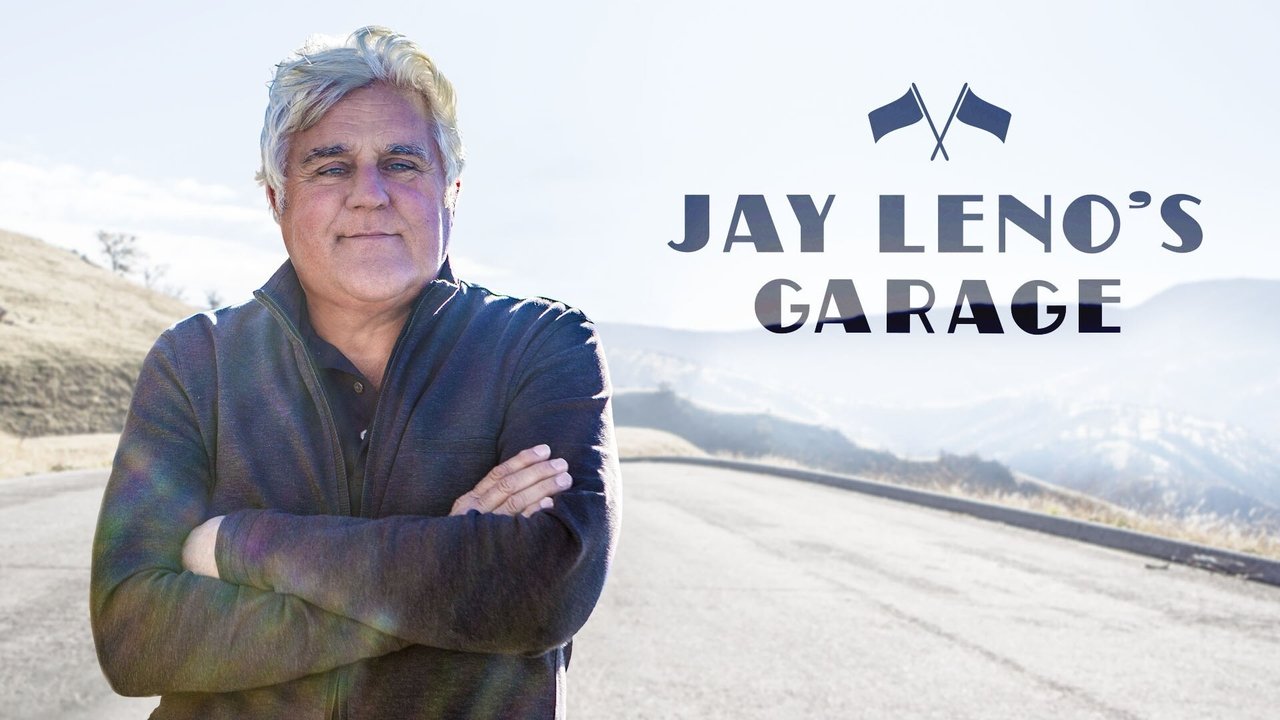
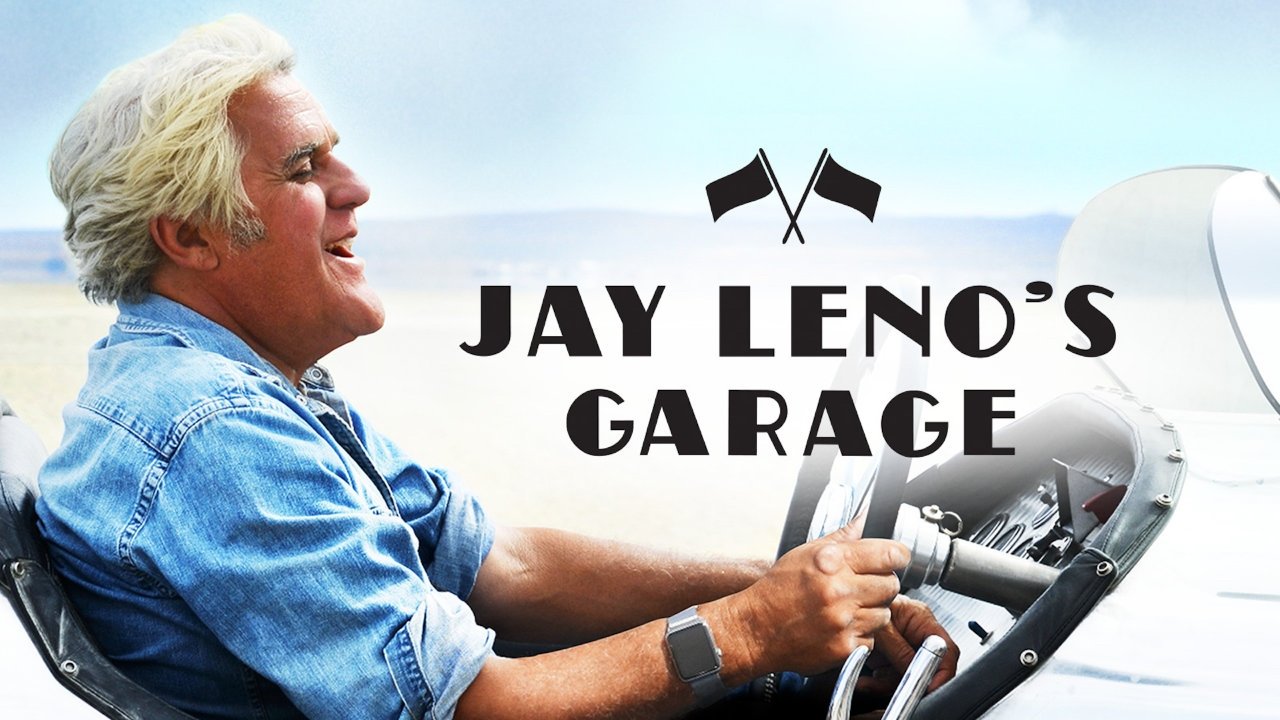
Most automotive media relies on high-speed chases, expensive crashes, or forced reality-TV drama. Jay Leno’s Garage ignores all of that. Since its debut in 2015, the show has carved out a space that feels more like a Saturday morning in a very wealthy neighbor's workshop than a polished Hollywood production. It is a slow, methodical celebration of how things actually work.
The anti-algorithm experience
If your kid is used to the frantic, high-decibel pacing of modern YouTube creators, this show will be a culture shock. It doesn’t use jump cuts to keep you engaged. Instead, it relies on the genuine, unscripted curiosity of a guy who has spent decades and millions of dollars learning about internal combustion.
The show works because it treats the audience like they’re smart enough to care about the difference between a steam engine and a turbine. This isn't just about "cool cars" that look good in a driveway; it’s about the labor required to keep them running. For a generation of kids who often see technology as a "black box" that just works magically, seeing a billionaire get his hands dirty under a chassis is a healthy perspective shift.
A gateway to the garage
If you’ve noticed your kid gravitating toward complex Lego Technic sets or physics-based games, this is the logical next step. You can use the show as a foundation for teaching kids about engineering through car shows. The series frequently brings on actual designers and mechanics, not just actors, to explain why a specific car changed the world.
The Emmy-winning series succeeds because it treats engineering as a form of storytelling. When Jay talks to a designer about a car from the 1960s, they aren't just talking about horsepower. They’re talking about the culture of that era and the limitations of the technology they had to overcome. It turns a mechanical object into a piece of history.
The "celebrity" factor
The guests on the show range from world-famous comedians to legendary racers, but the dynamic is different than a standard talk show. Because they are strapped into a car or standing over an engine block, the "interview" feels secondary to the experience. You see celebrities in a much more relaxed, authentic state. They aren't there to plug a movie; they’re there because they have a weird obsession with a specific vintage truck or a custom motorcycle.
This makes the show incredibly low-stress. There’s no manufactured conflict or "villain" edits. It’s just people talking shop. For parents, this means you don't have to worry about the typical "edgy" content that creeps into modern car culture. With an IMDB score of 7.2, it’s clear that the appeal is consistent: it’s a show for people who actually like the subject matter, rather than people looking for a spectacle.
Beyond the screen
One interesting way to engage with the show is through the practical side. Jay has a whole line of detailing products that fans on Reddit and YouTube often discuss. If your kid gets hooked on the show, buying a bottle of car soap and spending an hour cleaning the family car together is the ultimate "how to use it well" move. It moves the interest from the screen to the driveway. It’s a rare piece of media that encourages you to put the remote down and go do something productive with your hands.