The BookTok Bait-and-Switch
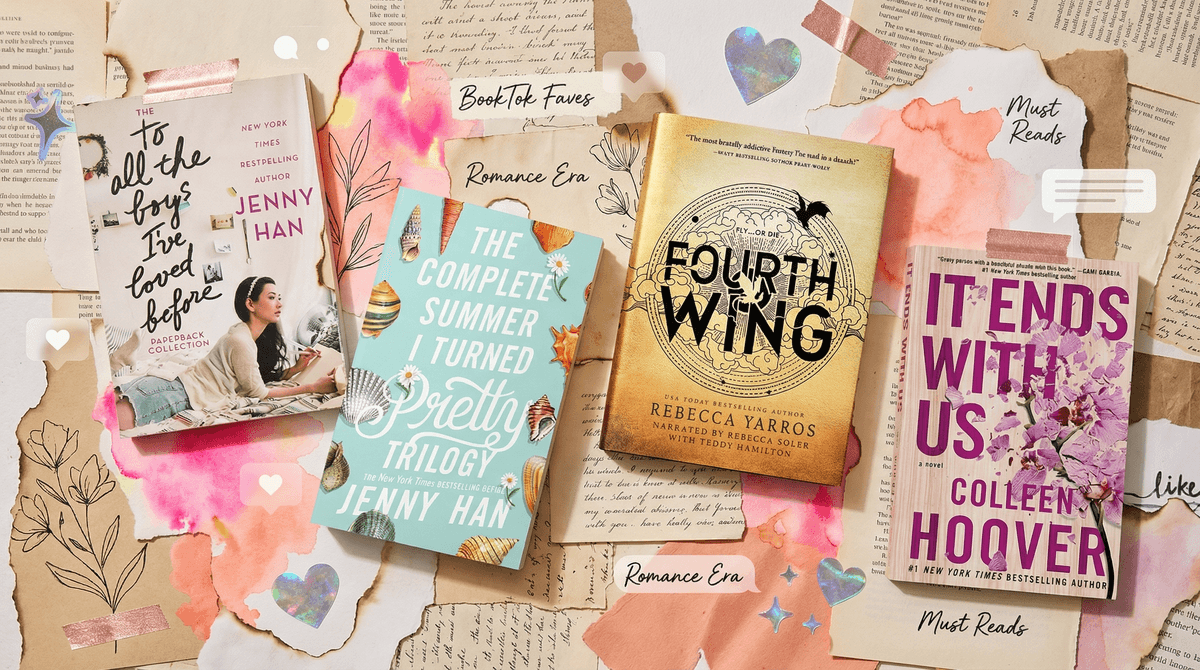
Colleen Hoover is the undisputed queen of the "aesthetic" paperback. You’ve seen them in every airport bookstore and Target aisle—covers featuring soft florals or minimalist patterns that look perfect in a curated social media post. But It Ends With Us is the ultimate reminder that you cannot judge a book’s maturity by its cover art.
This book is the poster child for the BookTok revolution, where viral clips of readers sobbing into their cameras turned a 2016 backlist title into a global juggernaut. Because it’s so visible on social media, it often gets lumped in with Young Adult fiction. It isn't. This is a story written by an adult, for adults, about the cycle of trauma. While the "romance" label is what sells the book, the actual content is a heavy, graphic exploration of domestic violence that can be traumatizing for younger readers who aren't prepared for the shift from "meet-cute" to "emergency room."
The Friction: Romance vs. Reality
The central tension of the book—and the reason it’s so polarizing—is the character of Ryle Kincaid. He’s a "brilliant neurosurgeon" who fits every romantic trope in the book: he’s assertive, wealthy, and seemingly obsessed with the protagonist, Lily. For the first third of the novel, it reads like a standard, steamy contemporary romance.
When the violence starts, it’s jarring. That’s the point—Hoover is trying to show how domestic abuse isn't always a "villain in a dark alley" scenario, but something that happens in beautiful apartments with people you love. However, the book has been widely criticized for how it handles this. By keeping the "hot neurosurgeon" framing even as the behavior turns criminal, the book risks romanticizing the very thing it claims to condemn. An adult reader can usually parse that nuance; a thirteen-year-old who is just starting to learn about relationship "red flags" might just see a toxic cycle and think it’s "passionate."
Why the "Mature Teen" Argument Fails Here
If your kid is asking for this book, they’ll probably tell you they’re "mature enough" or that "everyone at school has already read it." They aren't looking for a lecture on social dynamics; they’re looking for the high-octane emotional drama they’ve seen on their feed.
But there is a massive gap between being a strong reader and being emotionally ready for the specific "spice" and violence depicted here. If you’re trying to navigate age-appropriate reading for a teen who wants to feel grown-up, there are dozens of actual YA titles that handle heavy themes without the explicit sexual content and graphic physical abuse found here.
If you want to understand the hype before saying no, check out our parent’s guide to Colleen Hoover to see how this book fits into her wider (and often very intense) catalog. This isn't a "banned book" situation; it’s a "right tool for the right job" situation. This book was built for adult emotional processing, and throwing a middle-schooler into it is like handing a new driver the keys to a Formula 1 car—it’s just too much horsepower for someone still learning the rules of the road.