The visual shorthand of middle school
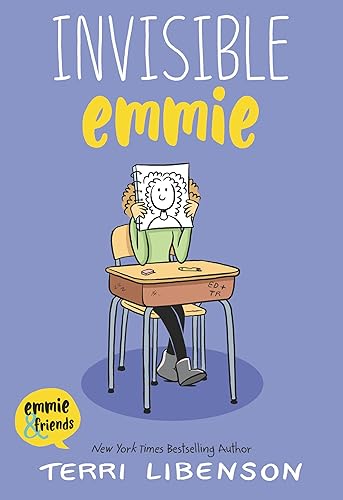
Terri Libenson brings her background as a syndicated cartoonist to the page, and it shows in the way she differentiates the two main characters. While the story follows both the quiet, artistic Emmie and the popular, athletic Katie, the book uses its format to illustrate their internal states. Emmie’s world often feels a bit more hastily sketched or monochromatic, reflecting her desire to disappear, while Katie’s world is more polished.
This isn't just an aesthetic choice; it’s a functional one. It helps younger readers who might be transitioning from standard chapter books to more complex graphic novels keep the threads straight. If your kid is currently navigating the "social survival" phase of 5th or 6th grade, they’ll recognize the visual metaphors for social anxiety immediately.
Why the "too mature" label misses the point
You’ll see some reviews from parents of eight-year-olds claiming the book is inappropriate. To be clear: there’s no "adult" content here. The friction comes from the fact that Invisible Emmie deals exclusively with the currency of middle school: crushes, social standing, and the absolute, world-ending terror of being embarrassed in front of your peers.
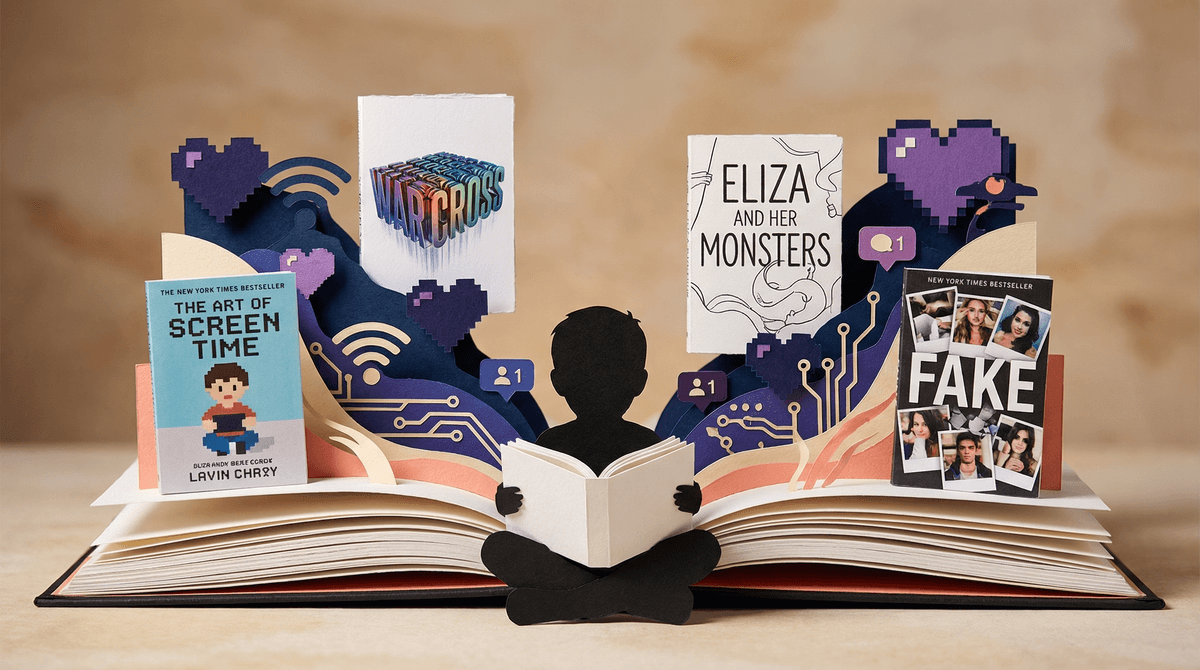
For a kid who is still playing with Legos and hasn't thought twice about who is sitting at which lunch table, this book might feel like a transmission from a foreign planet. But for the kid who is starting to feel the pressure of group chats and playground hierarchies, it’s a survival manual. It’s a great companion piece to our guide on navigating playground politics and group chat drama, as it models how to handle the fallout when social boundaries are crossed.
If they liked Raina Telgemeier
The comparison to Smile or Guts is unavoidable because both authors treat the "small" problems of childhood with the seriousness they deserve. However, Libenson’s work feels a bit more structured around a single, high-stakes day. The "twist" involving how Emmie and Katie’s lives intersect is the kind of narrative payoff that keeps kids who usually find books boring turning the pages.
If your reader has already exhausted the Telgemeier library, this is the logical next step. It’s less of a memoir and more of a contemporary drama, making it a solid bridge into other stories that help kids navigate screen culture and digital-age friendships, even though the drama here happens mostly on paper notes rather than smartphones.
The "Emmie & Friends" ecosystem
One thing to keep in mind is that this isn't a one-and-done experience. Libenson has built out a significant series—including Positively Izzy and Becoming Brianna—that follows different characters in the same orbit. This is a win for parents of reluctant readers. Once a kid connects with the "Invisible" feeling of the first book, there’s a pre-built roadmap of sequels that maintain the same tone and quality. It’s a reliable "safety" series for when they don't know what to read next but want something that feels familiar and low-stress.