
The high-wire act of being "fine"
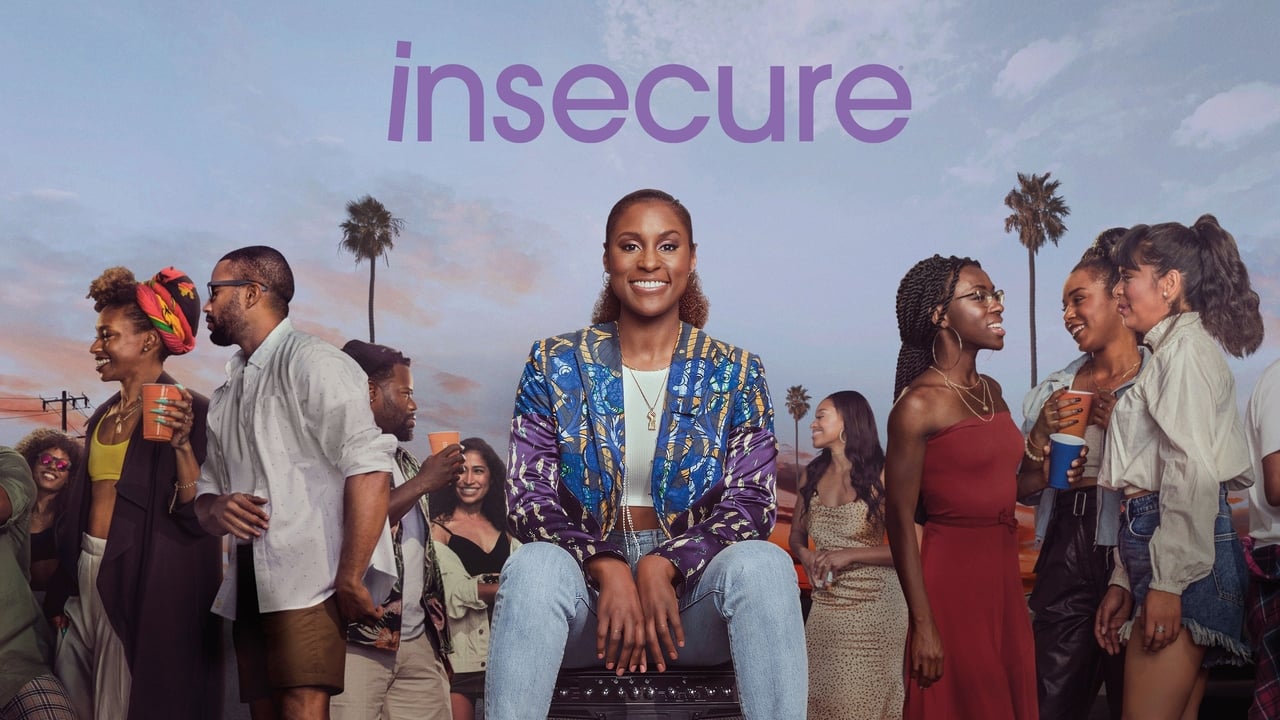
Most shows about twenty-somethings try to make their characters either aspirational or total train wrecks. This show lives in the agonizingly real middle ground. It’s a comedy that understands how a single awkward text or a "just okay" day at a non-profit job can feel like a life crisis. Critics absolutely loved this approach—that 97% on Rotten Tomatoes isn't just about the jokes; it’s about the show’s willingness to let its characters be wrong, selfish, and deeply confused about their own lives.
The "mirror conversations" are the secret sauce here. They aren't just a gimmick; they’re a window into the internal monologue we all have but never admit to. Watching the lead character freestyle her insecurities to her reflection is some of the most vulnerable (and hilarious) writing you’ll find in modern TV. It’s why the show feels so intimate—you aren't just watching her life; you’re stuck inside her head while she tries to figure out if she’s the hero or the villain of her own story.
The HBO reality check
We need to talk about that 15 Safe score. It’s not an exaggeration. This is premium cable programming in its truest form. While the show is grounded in reality, the "racy tribulations" mentioned in the synopsis are front and center. We’re talking about graphic nudity, very explicit sex scenes, and a vocabulary that would make a sailor blush.
If you have an older teen who is starting to navigate the dating world, there is actually a lot of "enriching" value here in terms of seeing how complicated adult relationships and "situationships" really are. However, this is a "watch it yourself first" situation. The show doesn't use sex for shock value—it uses it to show how the characters communicate (or fail to). But that doesn't make it any less awkward if you accidentally start an episode while your 14-year-old is still in the room.
Beyond the "best friend" trope
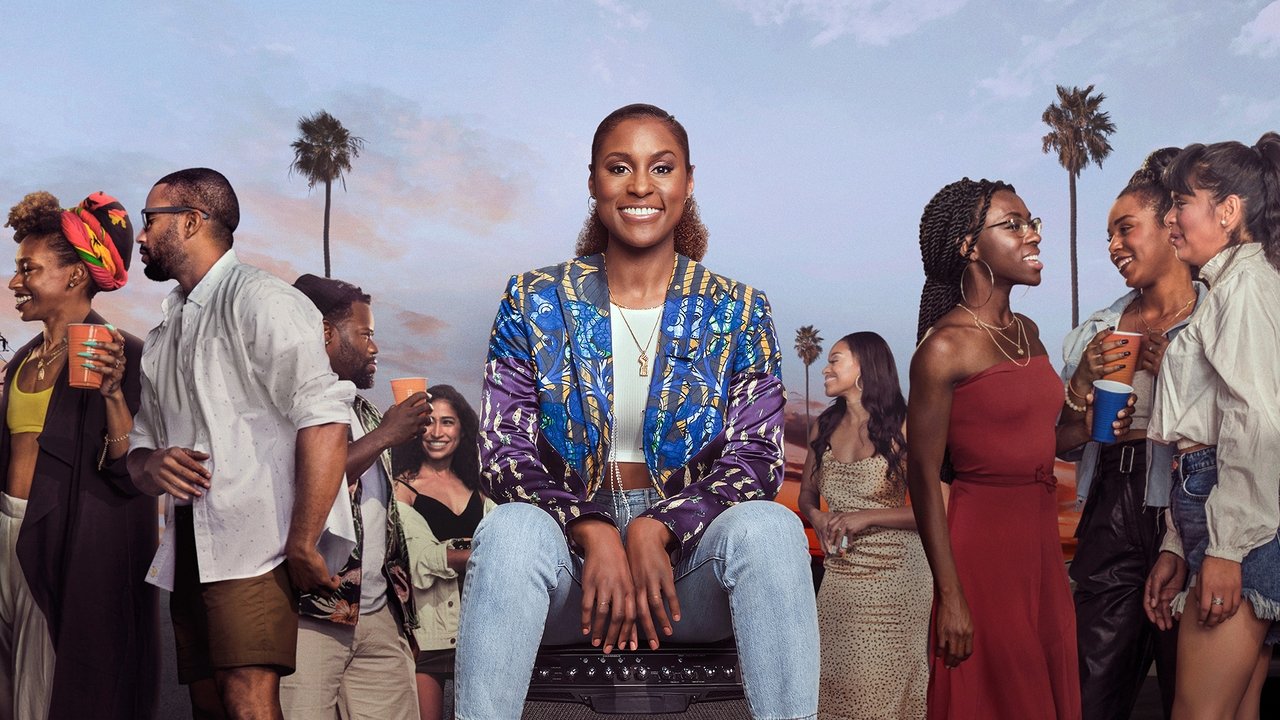
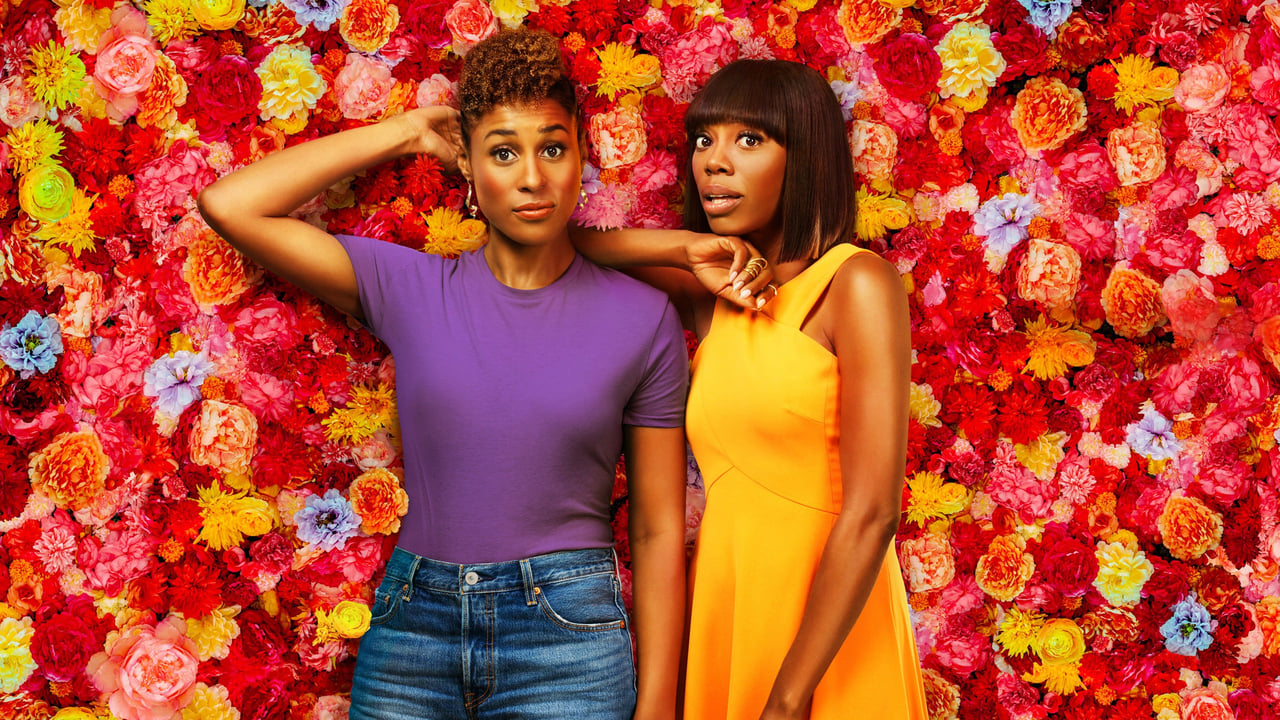
For a long time, Black women in sitcoms were relegated to the "sassy best friend" role. This show blew that up. It treats the friendship between the two leads as the primary romance of the series—it’s messy, competitive, supportive, and occasionally toxic. It’s a vital piece of the Black Girl Magic movement because it allows these women to be three-dimensional and flawed rather than just "magic."
If you’re looking for ways to introduce your family to more diverse creators, the lead’s career trajectory is a great case study for role models for Black history month. She started with a web series and turned it into an HBO powerhouse, proving that specific, authentic stories have universal appeal.
Is it worth the hype?
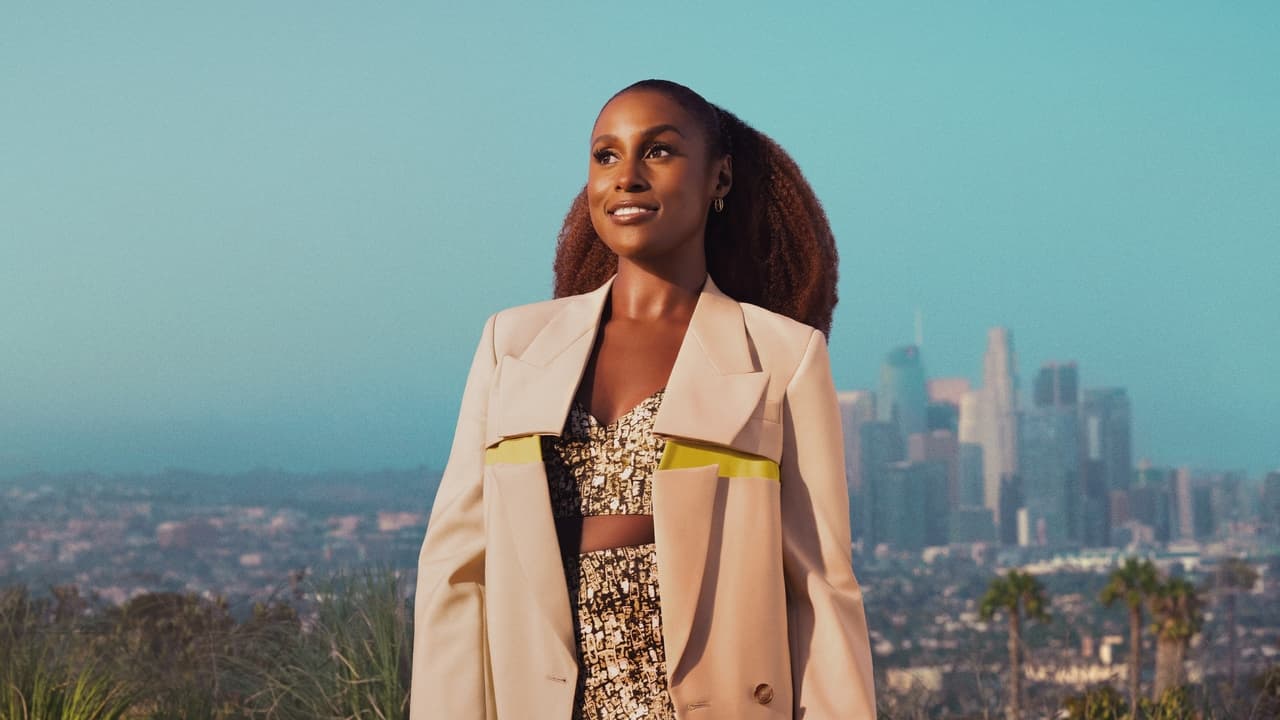
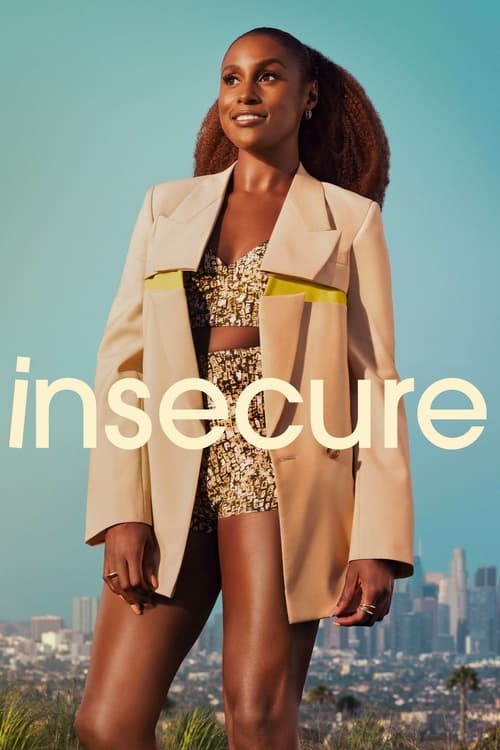
With an 8.1 on IMDb and a Metacritic score of 84, the consensus is a resounding yes. It’s one of the few shows that actually got better as it went along, refining its visual style and deepening its world. The cinematography of Los Angeles alone is worth the price of admission—it’s filmed with a warmth and vibrancy that makes the city feel like a character itself.
Just remember: this is a "glass of wine after the kids are asleep" show. It’s smart, it’s soulful, and it’s deeply adult. If you want the same level of wit but need something a little more "family-adjacent," you’ll have to look elsewhere. But for grown-ups looking for a show that actually "gets" the struggle of modern adulthood, this is top-tier.