Incredible Machine

Incredible Machine

game

1992, Puzzle

WISE
72%

WISE Score

84%

IGDB

The OG Rube Goldberg puzzle game—brilliant physics sandbox trapped in 1992 DOS amber.

Where to Play

Screenwise Verdict

The Incredible Machine is legitimately brilliant educational design—a physics sandbox that taught a generation of '90s kids how pulleys and circuits work. The problem? It's 33 years old and looks it.

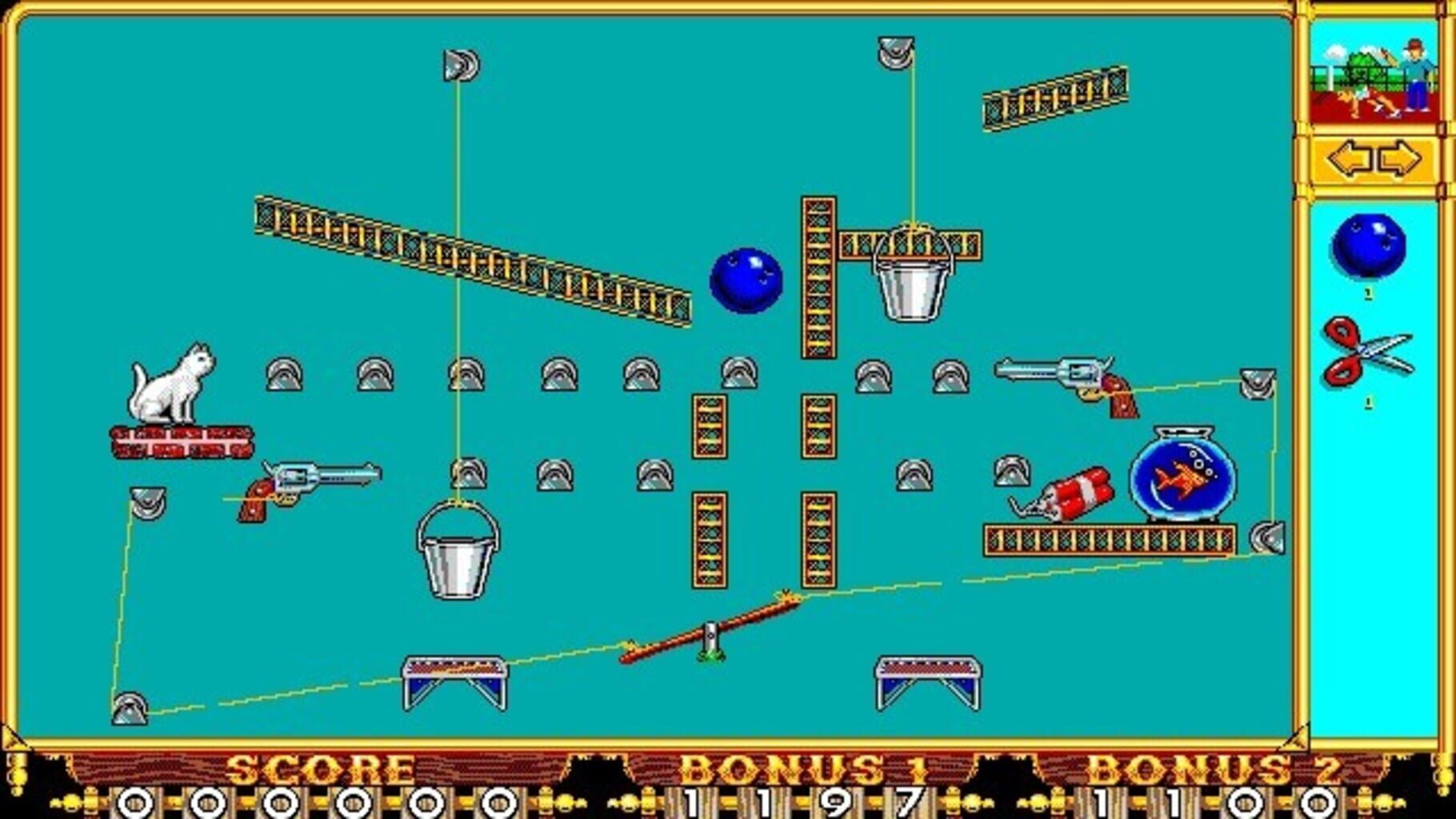
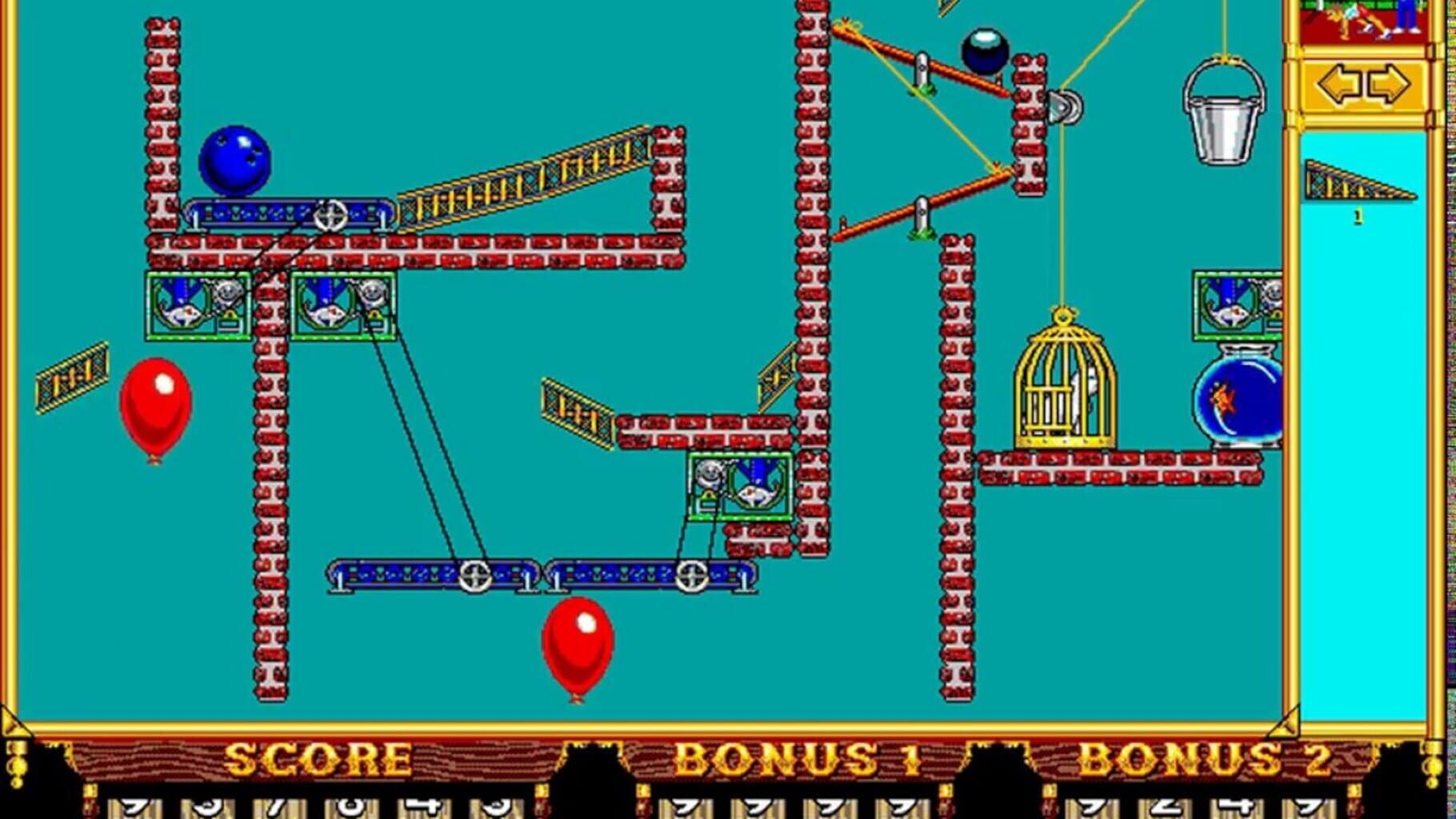
The core gameplay holds up: arranging random objects to trigger chain reactions is still satisfying, and the open-ended problem solving is exactly what we want kids doing. But the DOS-era graphics, clunky mouse controls, and zero modern UI conveniences mean most kids will take one look and ask to play Minecraft instead.

If you've got a patient kid who loves engineering, tinkering, or puzzle games—and who doesn't need shiny graphics—this is a gem. But for most families, the spiritual successors (Crazy Machines, Contraption Maker) will be easier sells. This scores high on the WISE components but takes a hit for pure playability in 2025.

Age Fit

Best for ages 8-14 who already have patience for retro games or an interest in engineering/physics. Younger kids will struggle with the interface; older teens will find it too dated unless they're into puzzle game history.

WISE Breakdown
Wholesome
88

Physics-based puzzle game with cartoon violence (bowling balls, mice, cats) that's entirely slapstick. No meanness, no conflict between characters—just whimsical contraptions. The IMDb parent guide notes 'mild violence, comic mischief' which is accurate for the Rube Goldberg-style chain reactions.

Imaginative
92

This is peak creative problem-solving. Players arrange pulleys, ropes, generators, animals, and random objects to build chain-reaction machines. Multiple solutions exist for most puzzles, rewarding lateral thinking. It's basically digital tinkering—the kind of open-ended spatial reasoning that defined '90s edutainment at its best.

Safe
95

Rated E by ESRB. No in-game purchases, no online chat, no loot boxes. Single-player puzzle game with no toxic elements. The only 'safety' concern is frustration—IMDb notes puzzles 'may be frustrating to figure out' for players who don't know what they're doing. That's a feature, not a bug.

Enriching
85

Teaches physics principles (gravity, momentum, electricity) through experimentation. Builds spatial reasoning, trial-and-error persistence, and systems thinking. EduTube confirms educational value but notes it 'requires good mouse coordination.' Strong cognitive workout, though entertainment value has aged.

Parent Info

Why It Might Be Great

  • Genuinely teaches physics concepts (gravity, momentum, circuits) through hands-on experimentation
  • Open-ended problem solving with multiple solutions—rewards creative thinking over memorization
  • Zero commercial manipulation: no ads, no purchases, no dark patterns, just pure puzzle solving
  • The kind of spatial reasoning workout that builds engineering brains
  • Nostalgia bomb for millennial parents who played it in computer lab

What to Watch For

  • This is a 1992 DOS game—the interface is clunky, graphics are primitive, and modern kids will find it borderline unplayable
  • Frustration factor is high: puzzles require trial-and-error persistence and good mouse coordination
  • No tutorial handholding by modern standards—kids used to instant gratification may bounce off hard
  • Realistically, this is more of a 'remember when' for parents than something kids will beg to play

Conversation Starters

  • "What happened when you tried using the cat instead of the bowling ball? Why did that work (or not)?"
  • "Can you think of another way to solve this puzzle using different pieces?"
  • "Have you ever seen a Rube Goldberg machine in real life? Want to build one with household stuff?"
  • "What's the most frustrating puzzle you've tried? What made it click when you finally got it?"

Ask Anything

Get a personalized guide on any topic