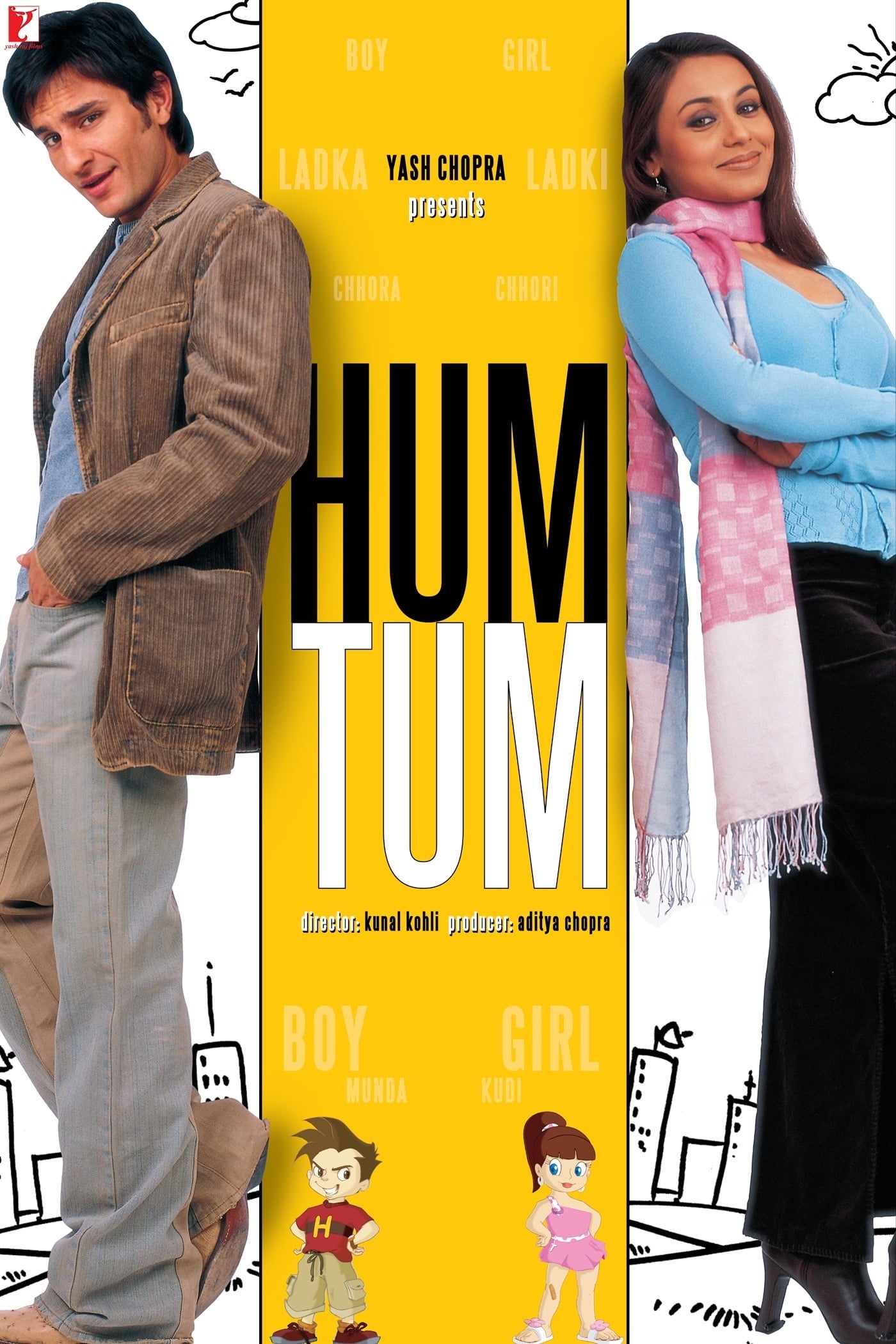
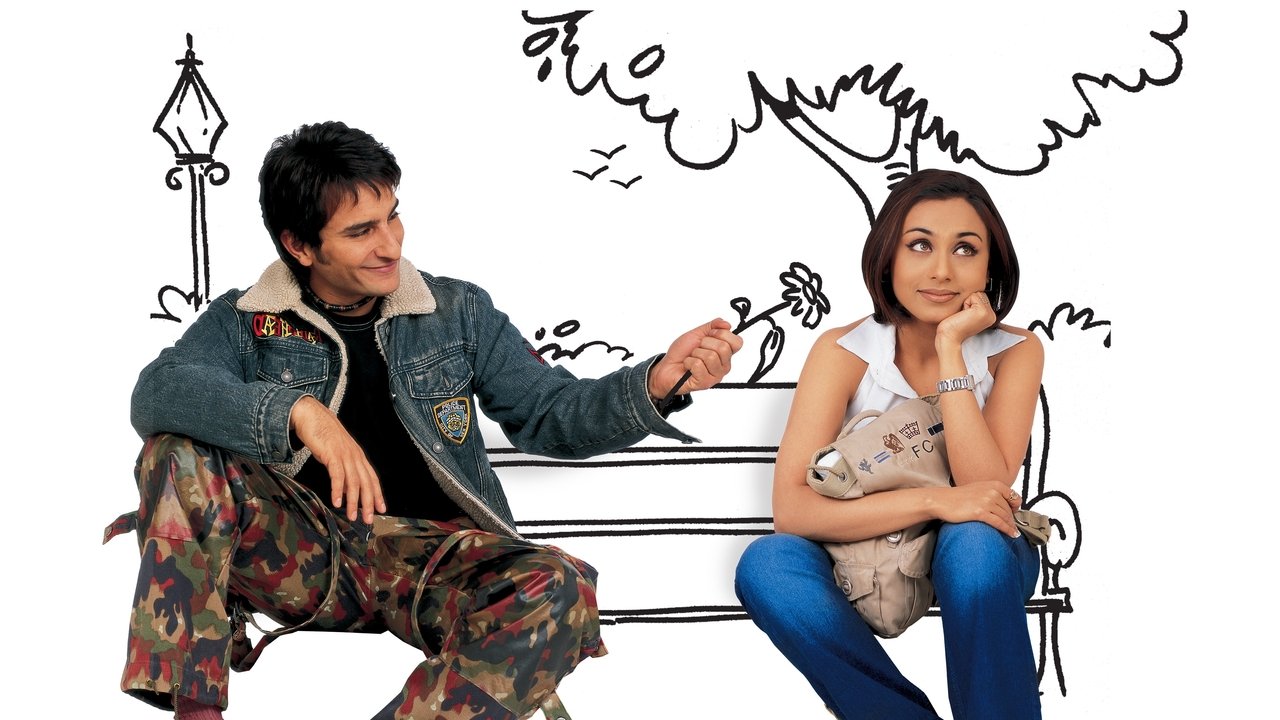
The 2004 Time Capsule
Watching Hum Tum in 2026 is a fascinating exercise in nostalgia. It represents a specific era of Yash Raj Films where Bollywood was aggressively trying to modernize for a global audience. You see it in the setting—hopping from Amsterdam to New York to Mumbai—and in the character of Karan, who starts as a quintessential 'cool guy' cartoonist with a slightly obnoxious streak.
More Than Just a Rom-Com
What sets this apart from the sea of early-2000s romances is the structure. By revisiting the characters at different stages of their lives, we see them evolve. Rhea (Rani Mukerji) is particularly well-written; she doesn't just exist to be the love interest. She has her own trajectory, her own tragedies, and her own firm boundaries. For a parent, this is a much better model of a 'heroine' than the self-sacrificing archetypes found in older classics.
The Animation Hook
The animated segments featuring Hum and Tum were a big deal at the time. They serve as a Greek chorus, acting out the archetypal 'male vs. female' arguments that the live-action characters are too polite (or too stubborn) to say out loud. While the 'Men are from Mars' logic is a bit dusty now, the animation itself is charming and helps break up the long conversational scenes, making the movie feel faster than its runtime suggests.
A Note on the 'Heavy' Stuff
Parents should know that the movie isn't all laughs. There is a significant subplot involving Rhea's marriage to another man and his subsequent death in a car accident. The movie spends a decent amount of time on her grief and Karan’s role in helping her find joy again. It’s handled with a lot of heart, but if your family is currently dealing with loss, just be aware that the second half leans into those emotions.