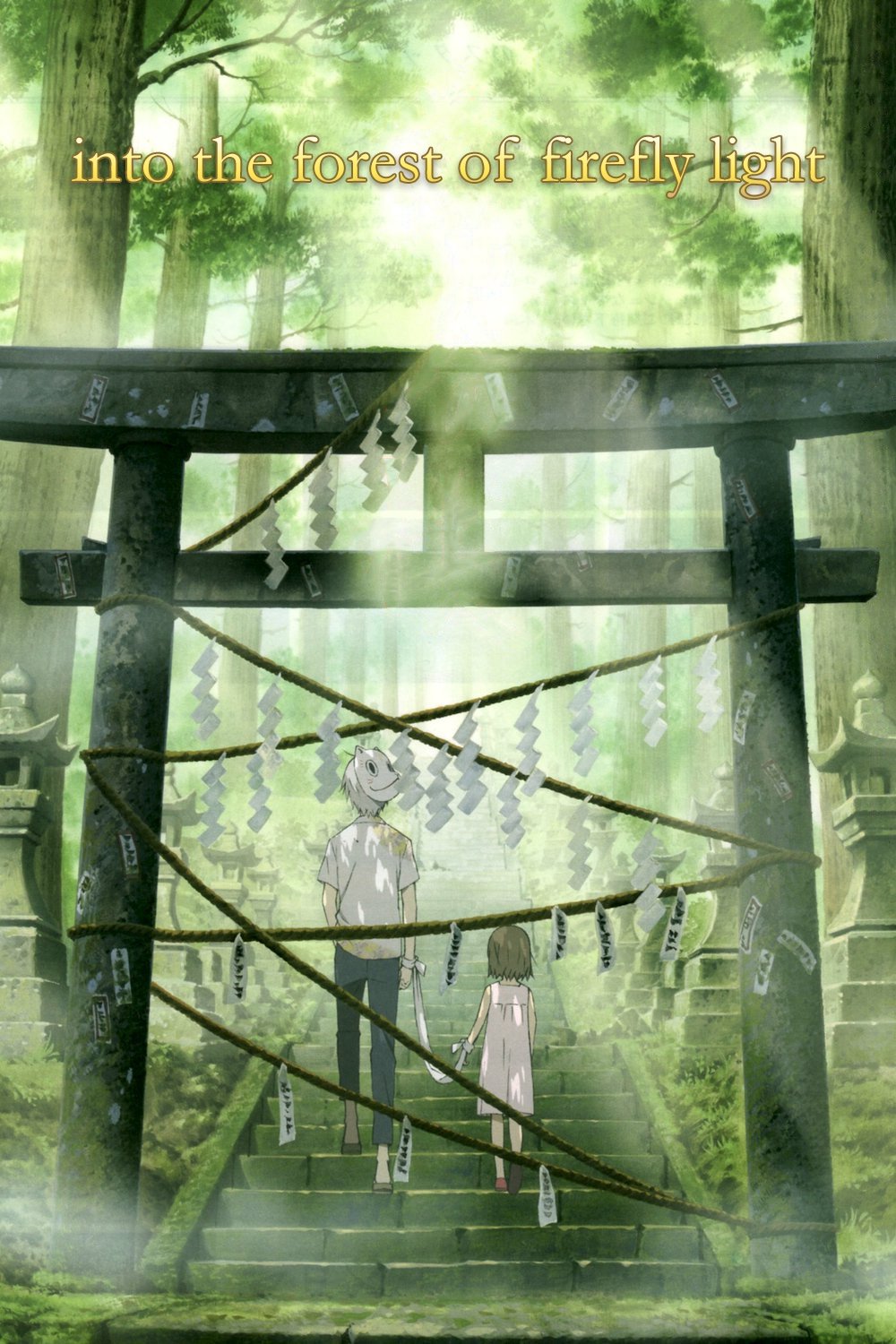
The anti-action antidote
If your household is currently vibrating at the frequency of Demon Slayer or Jujutsu Kaisen, this movie is the hard reset you didn’t know you needed. It is the literal opposite of "battle anime." There are no power-ups, no screaming matches, and the stakes are entirely internal. In an era where even "quiet" kids' movies feel the need to insert a frantic chase scene every ten minutes to keep the dopamine flowing, this film dares to be patient.
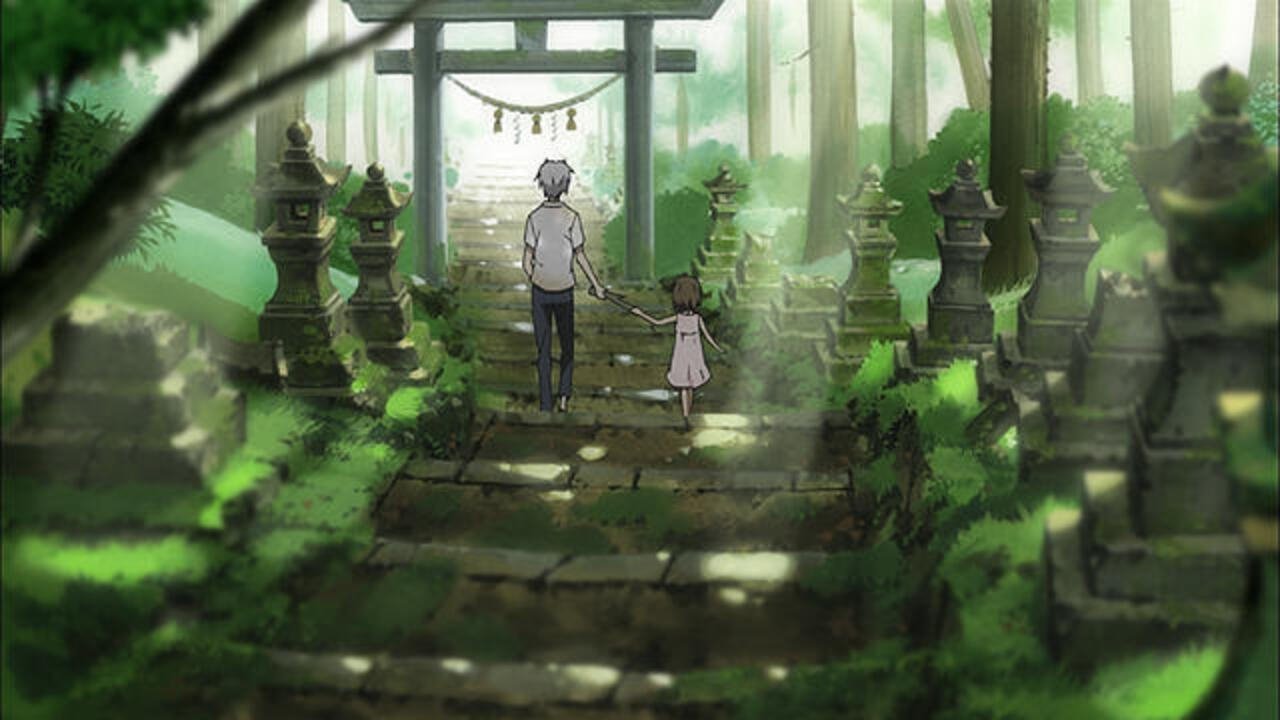
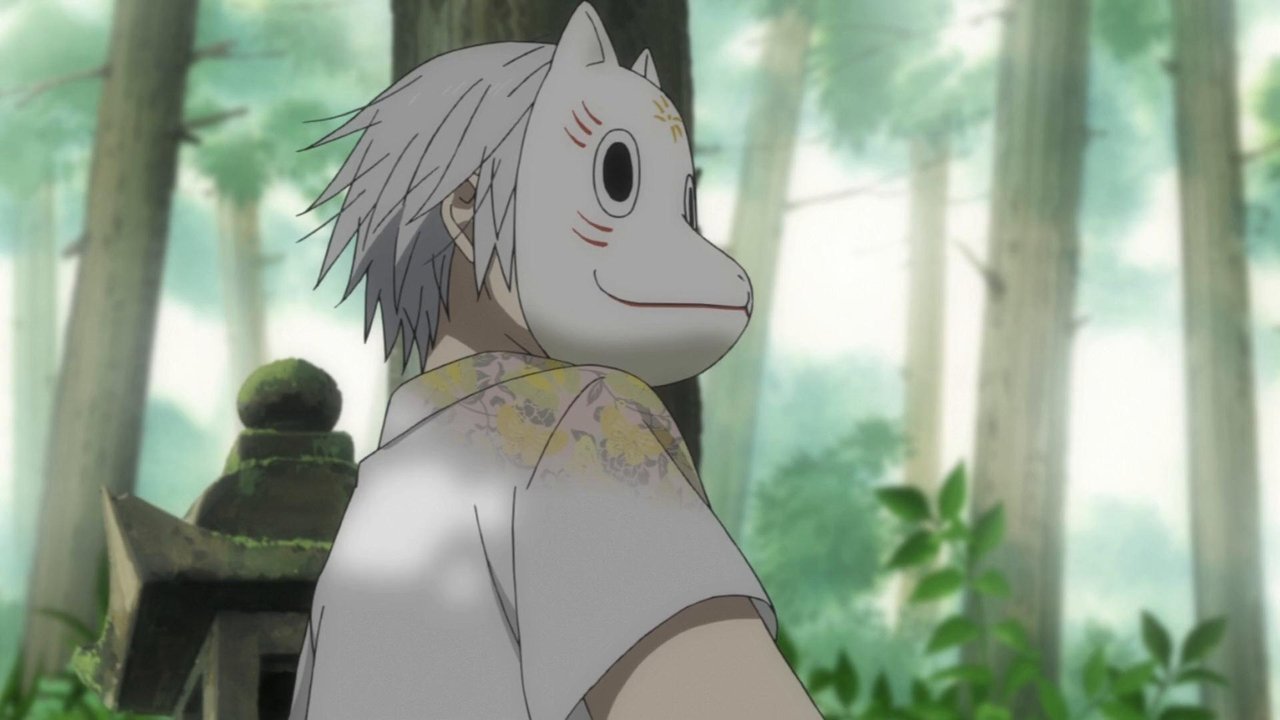
It clocks in at under an hour, which is a weirdly perfect runtime. It’s long enough to feel like an event but short enough that it doesn't overstay its welcome or require a massive time commitment. Because it’s a 2011 release, it lacks the hyper-polished, digital sheen of modern blockbusters, opting instead for a soft, watercolor aesthetic that makes the forest feel like a character in itself.
The high-stakes "no-contact" rule
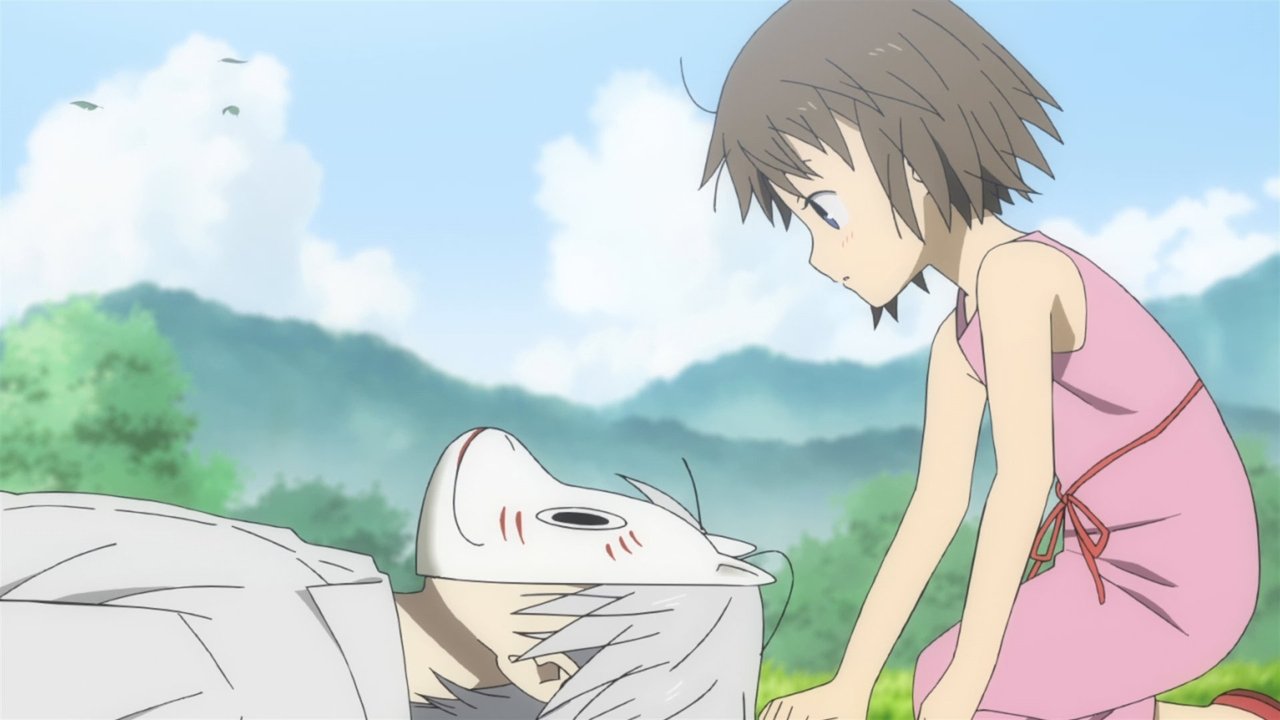
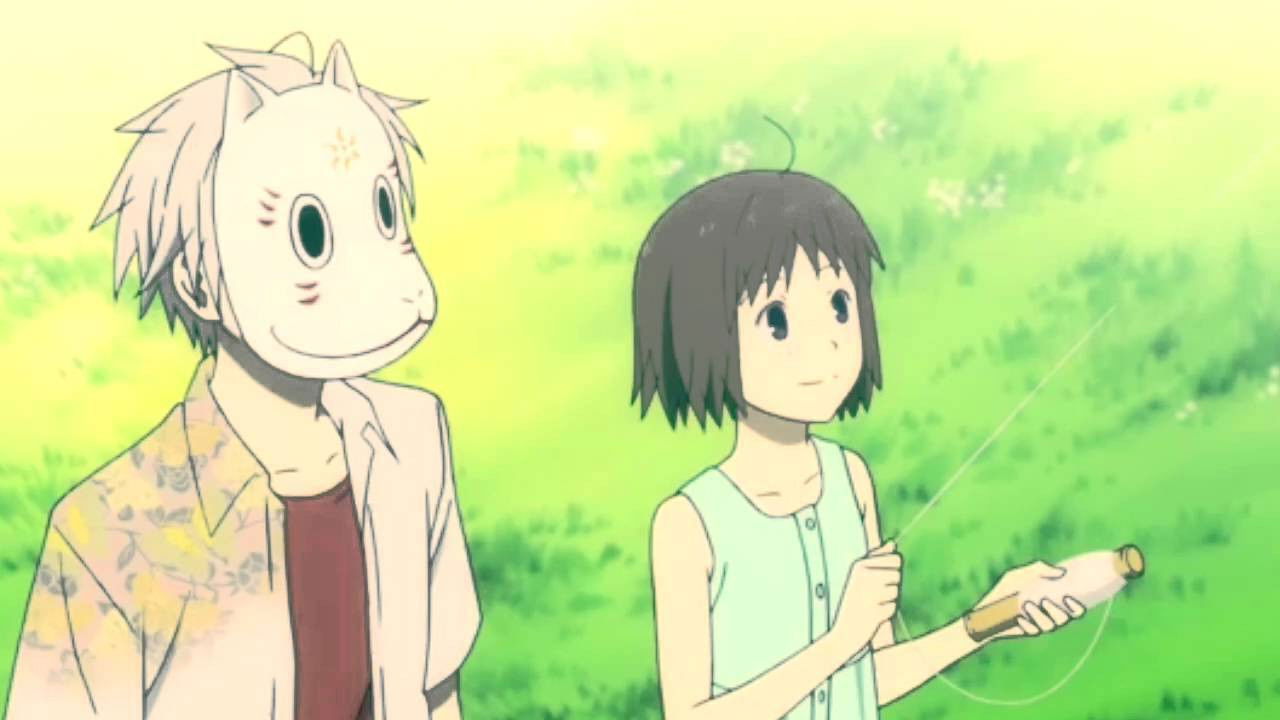
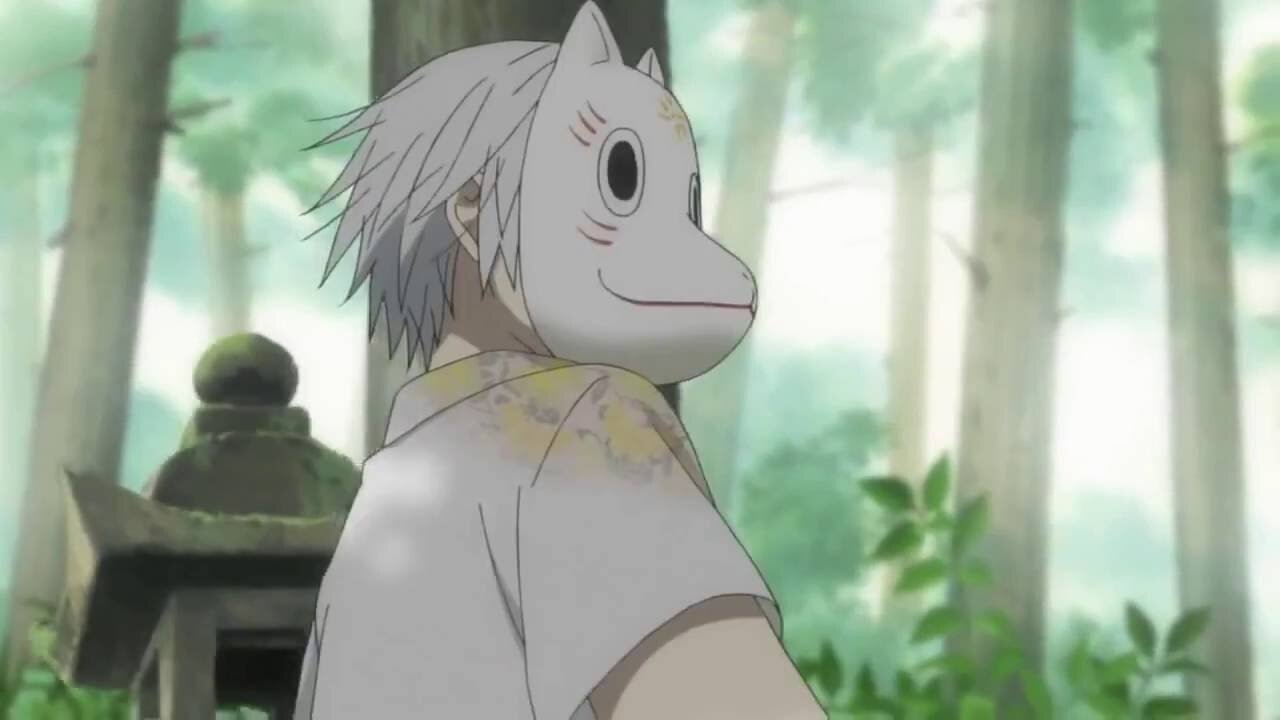
The central hook—that Gin will vanish if a human touches him—is a brilliant narrative device for kids. It turns every interaction into a high-stakes game of "the floor is lava," but with emotional consequences. While the film is a romance at its core, younger viewers usually engage with it as a story about a high-stakes friendship.
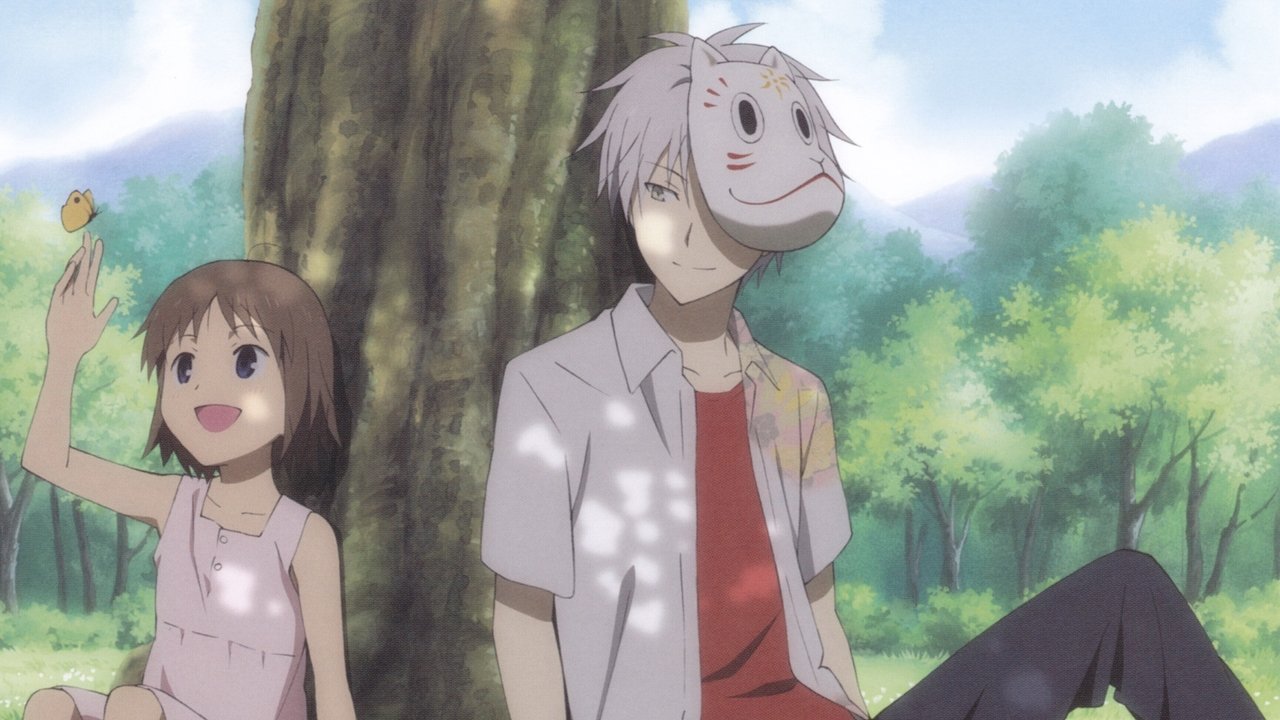
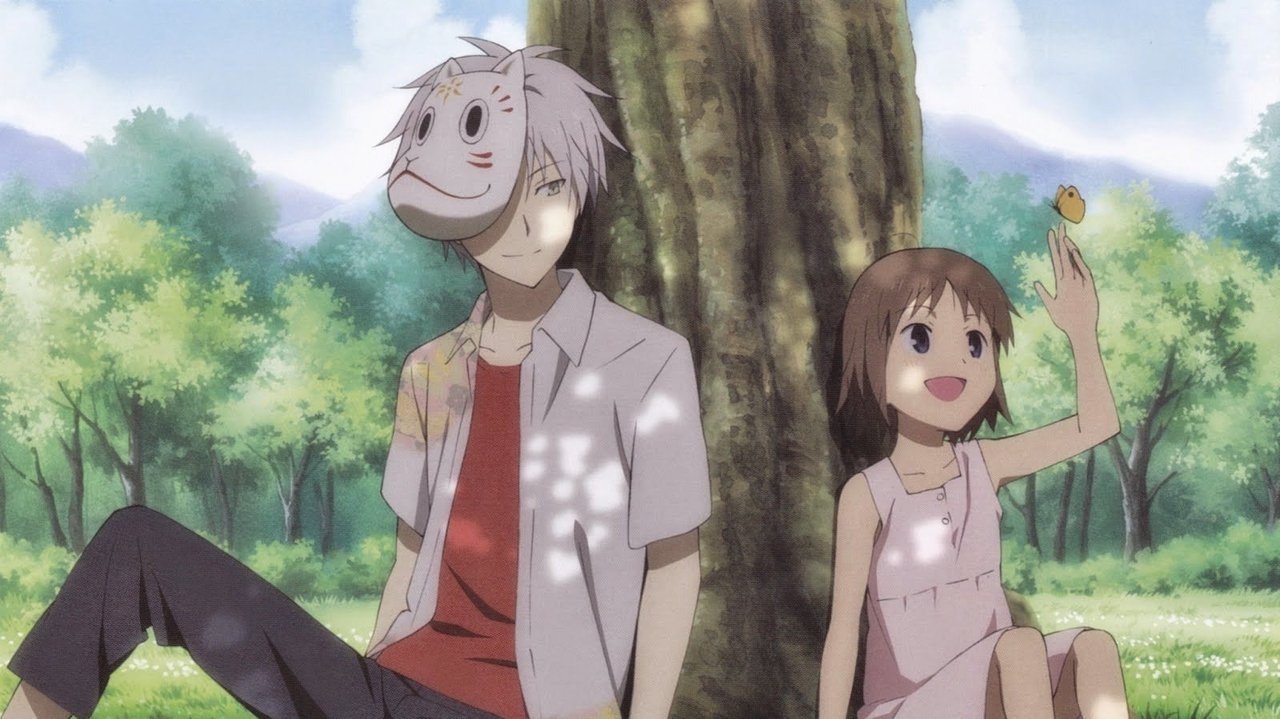
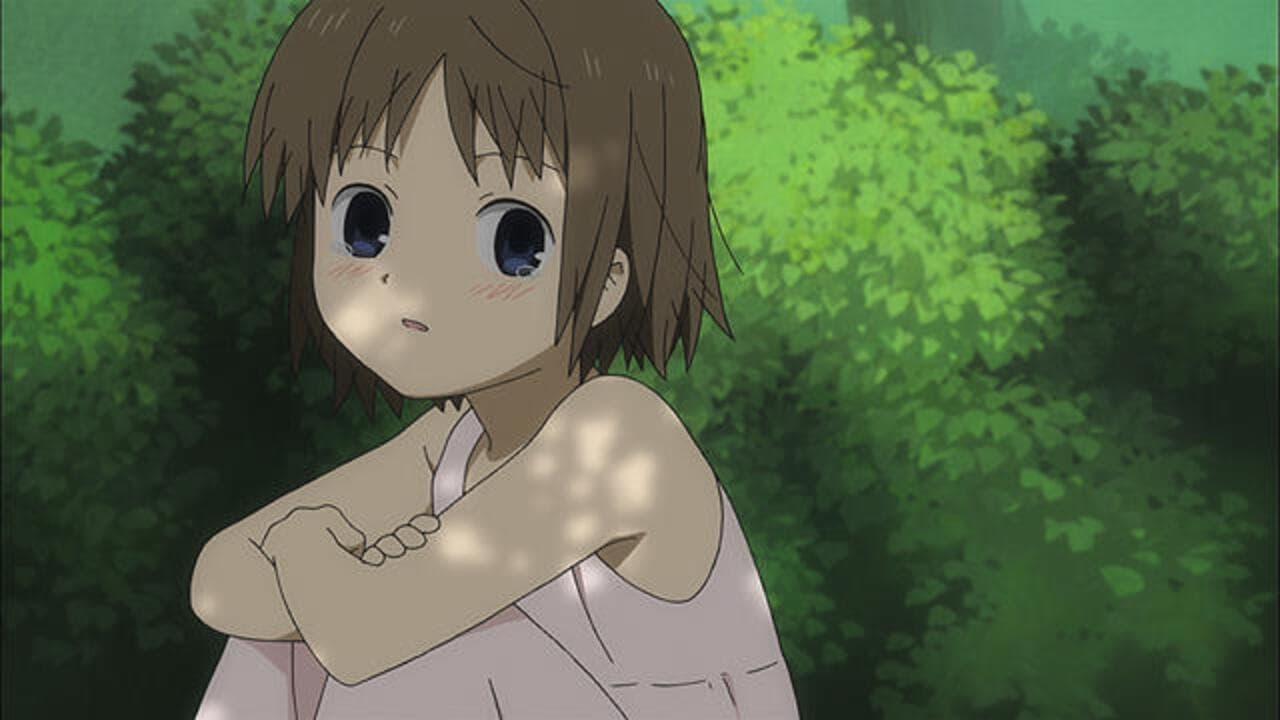
It’s a masterclass in showing rather than telling. You see the characters grow through their body language—how they walk together, how they use a stick to hold hands, and how the distance between them shifts as Hotaru ages. It’s a great pick if you want to show your kids that "action" doesn't always mean explosions; sometimes the most intense moment in a movie is just two people trying not to trip and bump into each other.
If they liked Totoro, they’ll get this
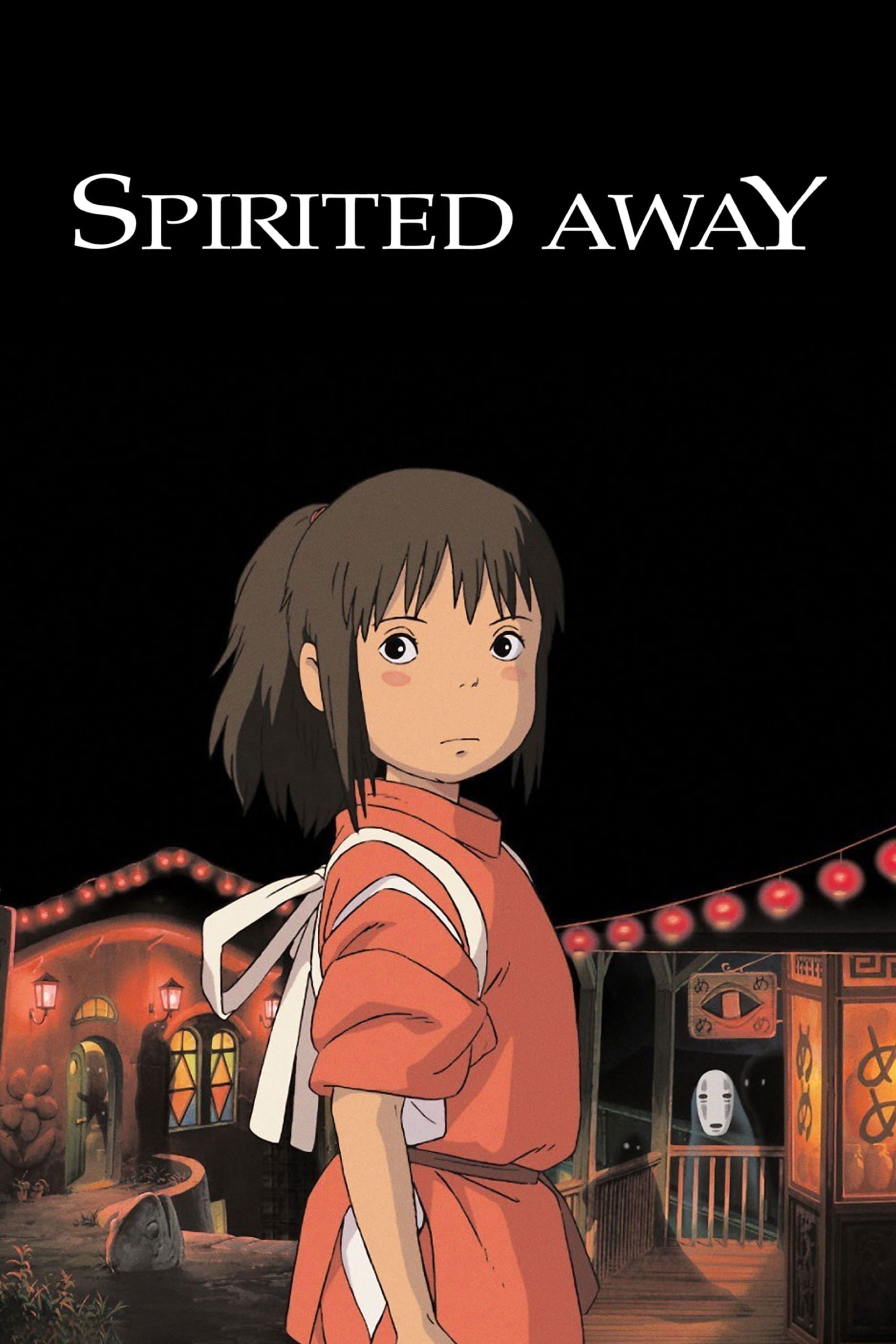
The vibe here is very much in the neighborhood of My Neighbor Totoro, but for a slightly older or more emotionally mature audience. Where Totoro is about the wonder of childhood, this is about the bittersweet transition out of it.
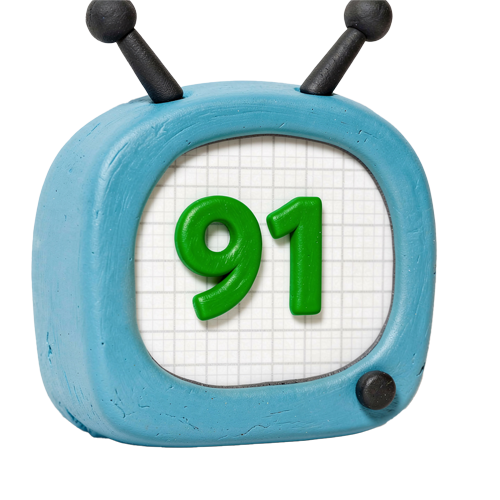
Critics and fans on platforms like Letterboxd (where it sits at a strong 3.9) often point to the atmosphere as the selling point. It captures that specific, heavy feeling of a late August afternoon when you know summer vacation is almost over. If your kid is the type who gets a little melancholy when a trip is ending or a school year is wrapping up, this will resonate deeply with them.
A note on the "Sad-Happy" ending
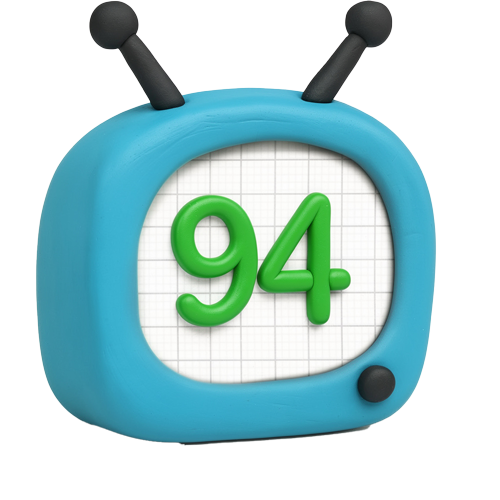
The 7.8 IMDb score reflects a lot of love, but be aware that much of that love comes from people who enjoy a good cry. This isn't a "happily ever after" in the traditional Disney sense. It’s a story about the value of a relationship even when it’s temporary.
If you have a kid who hates being "tricked" by a sad ending, you might want to frame this as a story about making memories. The ending is earned, beautiful, and logically consistent with the rules the movie sets up in the first five minutes, but it is a heavy lift for the particularly sensitive. It’s the kind of movie that sticks with you for days, making it a great choice for a weekend watch where you actually have time to talk about it afterward.