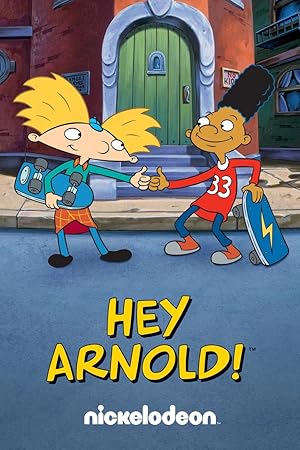
If your kid is used to the frantic dopamine loops of modern YouTube or even the high-energy gags of SpongeBob, the first thing they’ll notice about Hey Arnold! is the quiet.
It’s a mood piece. Set against a gritty, jazz-infused backdrop of a fictional city that feels like a blend of Brooklyn and Seattle, the show doesn't rely on slapstick to keep kids engaged. It relies on soul. Arnold isn't a superhero or a prankster; he’s a kid who listens. That makes it one of the shows that aged better than you remember, largely because it treats its audience like they have an emotional pulse.
The Helga Pataki of it all
While Arnold is the moral center, Helga Pataki is the actual engine of the show. She is arguably the most complex character in 90s animation. On the surface, she’s a bully who spends her time insulting Arnold, but the show frequently pivots to her internal world—a shrine-building, poetry-writing obsession fueled by a deeply lonely home life.
It’s a brilliant, if sometimes heavy, look at how kids mask their vulnerabilities. If your child is at the age where playground dynamics are shifting from "everyone is my friend" to "why is that person being a jerk?", Helga is the perfect case study. She isn't just a "bad kid" for the sake of the plot; she’s a person with a backstory. Watching her navigate the gap between who she is and who she pretends to be is a masterclass in empathy that most modern shows skip in favor of a quick joke.
Urban realism vs. cartoon logic
Most cartoons take place in a vacuum. Hey Arnold! takes place in a boarding house filled with eccentric, struggling adults. There are episodes about a neighbor who hasn't left the house in decades, or the local "Pigeon Man" who finds more solace in birds than people.
This is where the "scary" or "uneasy" flags from parents usually come from. The show doesn't shy away from the fact that cities can be lonely, dark, or unfair. It deals with poverty and abandonment in a way that feels honest rather than preachy. If you’re looking for a bridge to talk about real-world issues without the lecture, this is your tool. It’s a standout entry in our look at 90s TV worth rewatching with your kids, specifically because it respects a child's ability to handle melancholy.
Managing the "Mountain" of content
Since the show is a staple of the Nickelodeon vault, you’re most likely going to find it on Paramount+. If you haven't touched that app in a while, it can be a bit of a maze. The interface has changed a lot, so it’s worth checking out our Paramount Plus streaming parent guide to make sure you’ve got your Kids Mode and PINs set up before you let them loose in the library.
If your kid liked...
- Arthur: They’ll appreciate the slice-of-life pacing and the focus on friendship, though Arnold’s world is a bit more cynical and "grown-up" than Elwood City.
- Bluey: If they’ve outgrown the Heelers but still want a show that makes them feel something, this is the logical next step. It has that same "emotional intelligence" DNA, just wrapped in a flannel shirt and a 90s soundtrack.
- The Wonder Years: It shares that same retrospective, slightly bittersweet tone about the trials of growing up.
The animation might look grainy to a kid raised on 4K digital perfection, and the first few episodes are still finding their feet. But once the show settles into its rhythm, it’s one of the few "nostalgia" picks that actually earns its place on the modern screen.