The "documentary tax" is real
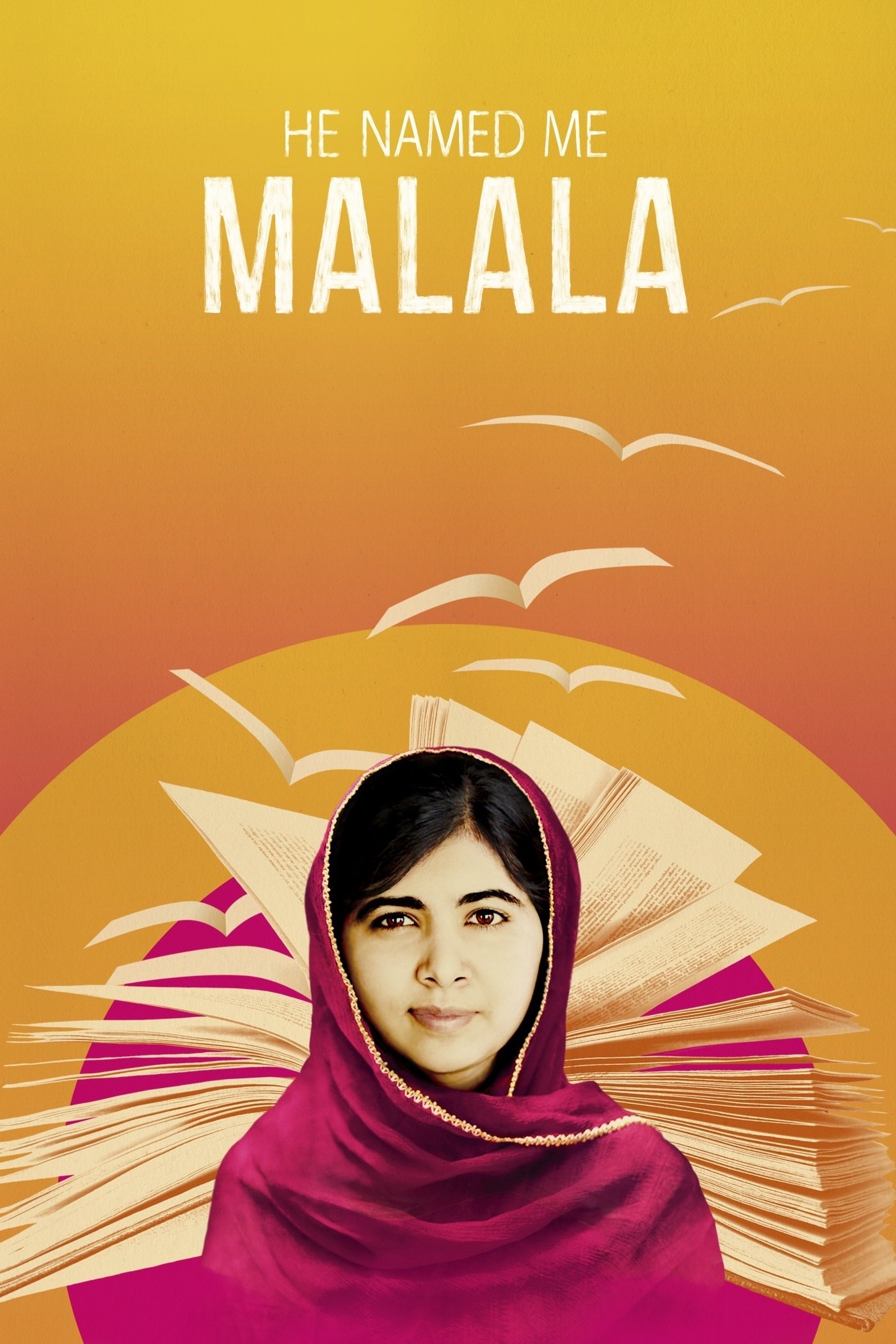
Let’s be honest: "Documentary" is often code for "homework" in a kid’s mind. With a Metacritic score in the low 60s, critics weren't exactly hailing this as a cinematic masterpiece. It’s a bit safe. It follows a fairly standard bio-doc playbook that can feel slow if your teen is used to the breakneck pace of a scripted thriller.
But what keeps this from being a total slog for a 13-year-old is the vibrancy of the animation used to illustrate Malala’s life in Pakistan before the move to the UK. These sequences aren't just filler; they give the story a storybook quality that offsets the grim reality of the Taliban's rise. It turns what could have been a dry history lesson into something that feels more like a living memory.
It’s a story about a dad, too
The most interesting part of the film isn't actually the activism—it's the dynamic between Malala and her father. The title is a literal reference to Malalai of Maiwand, a Pashtun folk hero, and the movie explores whether a father’s high expectations are an empowering gift or a heavy burden.
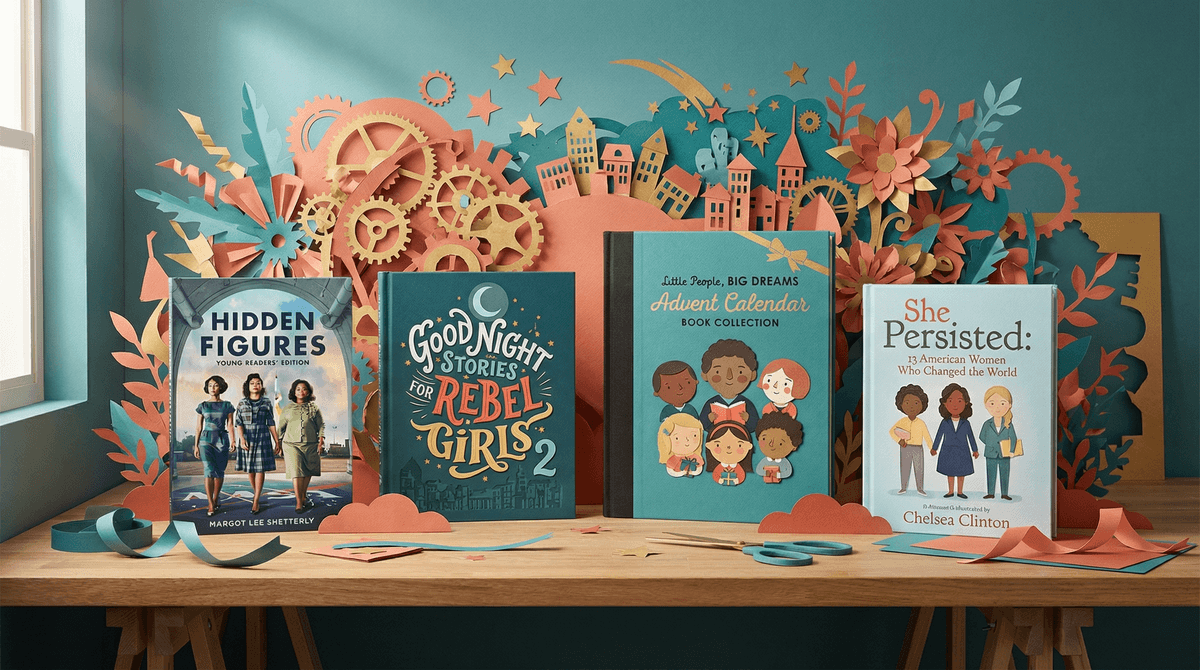
It’s a great entry point for kids who are already into books about extraordinary women because it shows the messy, real-world support system behind the icon. We see her bickering with her brothers and teasing her dad, which humanizes her in a way that her UN speeches don't. It reminds kids that you don't have to be a perfect, stoic statue to do something brave.
When to hit play
If your kid is currently reading The Diary of Anne Frank in school or just watched The Breadwinner, this is the perfect real-world chaser. It moves the conversation from "history" to "current events."
Don't expect them to be glued to the screen the entire time—the middle section can drag as it covers the family's transition to life in England. But the payoff is the perspective it provides. In an era of performative social media activism, seeing a girl who actually risked her life for the right to sit in a classroom is a necessary reality check. It’s not just about "standing up for what you believe in" as a vague concept; it’s about the specific, terrifying logistics of living in a place where your existence is a political statement.
If they find the documentary format too dry, don't force it. But for a teen who is starting to look at the world and ask why things are the way they are, this is a solid foundational watch.