The Power of the Oddball
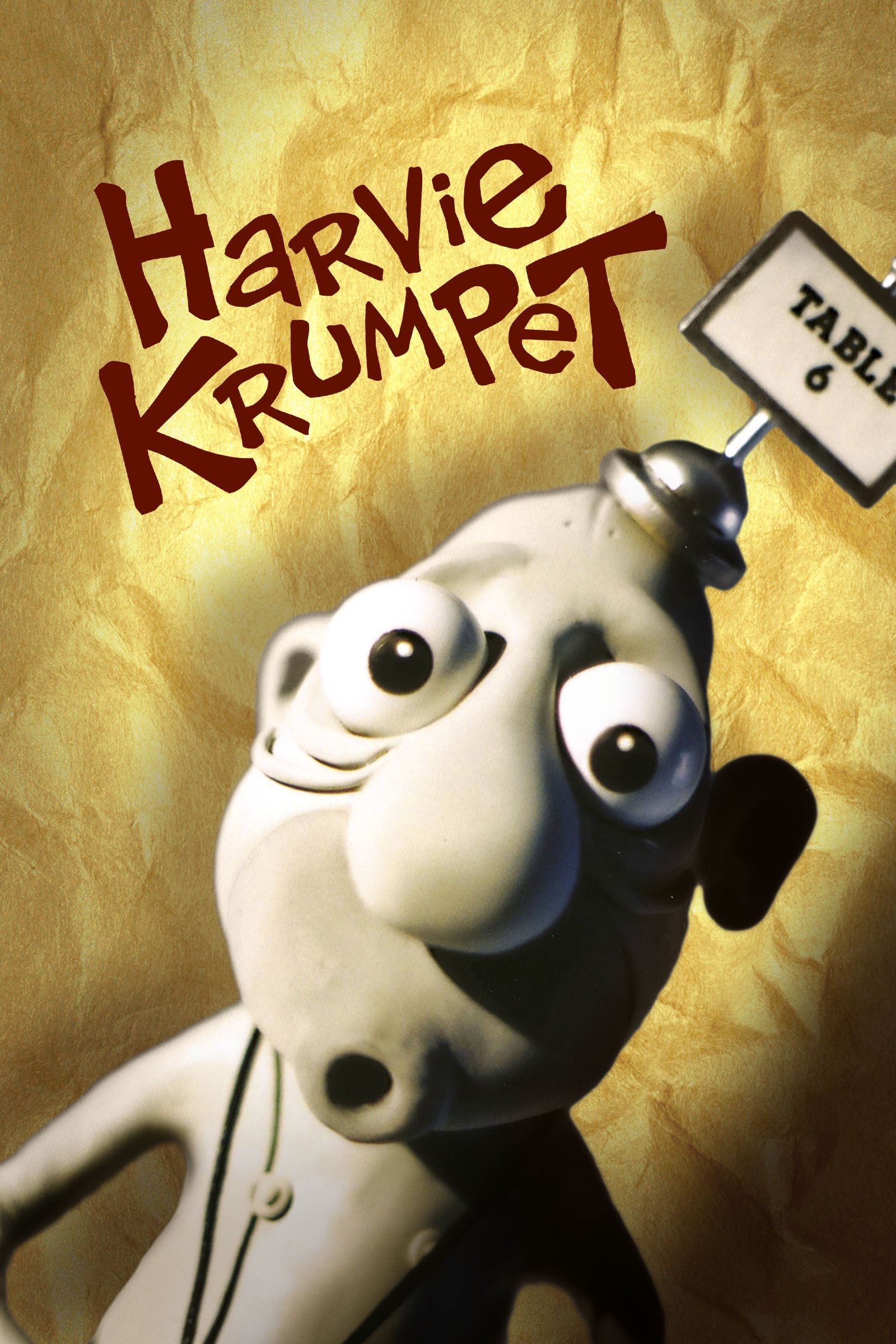
Released in 2003, Harvie Krumpet arrived as a total shock to the system. While the rest of the world was chasing CGI perfection, Australian animator Adam Elliot was in a shed making lumpy, asymmetrical clay figures. The result is 'Clayography'—a term he coined for these animated biographies. It feels less like a movie and more like someone found a box of old, dusty photos and decided to bring them to life.
Harvie’s life is a series of 'fakts.' Some are trivial, some are tragic, and some are just plain weird. The film follows him from his birth in Poland to his life in Australia, documenting a series of jobs and health crises that would break a normal person. But Harvie isn't normal. His Tourette's—which manifests as a physical tic where he touches his finger to his nose—is just one of the many things that makes him 'Harvie.'
Why it works for 2026 parents
In an era of hyper-curated social media lives, Harvie is the ultimate antidote. He is messy, his life is a disaster by traditional standards, and he doesn't have a 'glow-up' arc. Instead, he has a 'keep going' arc. For a kid struggling with the pressure to be perfect or fit a certain social mold, Harvie is a hero.
It’s also a fantastic entry point into talking about neurodiversity. It doesn't treat Tourette's as a punchline or a superpower; it’s just a thing Harvie has, like his book or his penchant for being naked in the sun. If you have a kid who appreciates the 'strange but true' side of life, this is a must-watch. It’s available on various library-adjacent apps like Kanopy and Hoopla, making it an easy, high-quality add to a weekend afternoon.