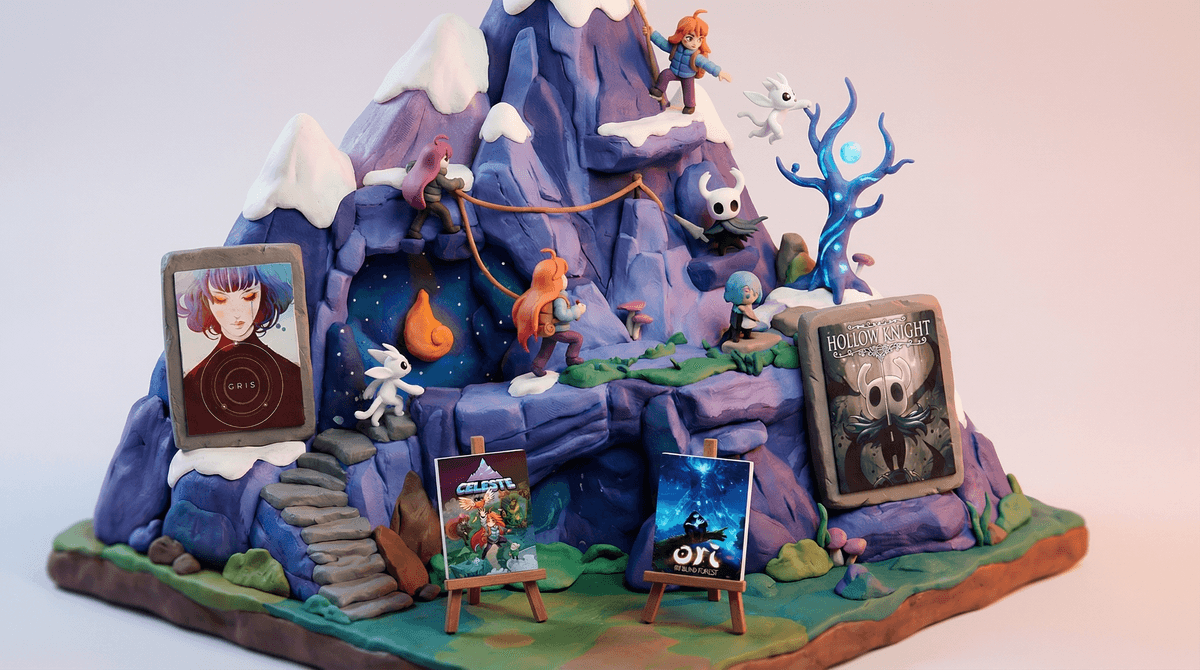
More than a mood board
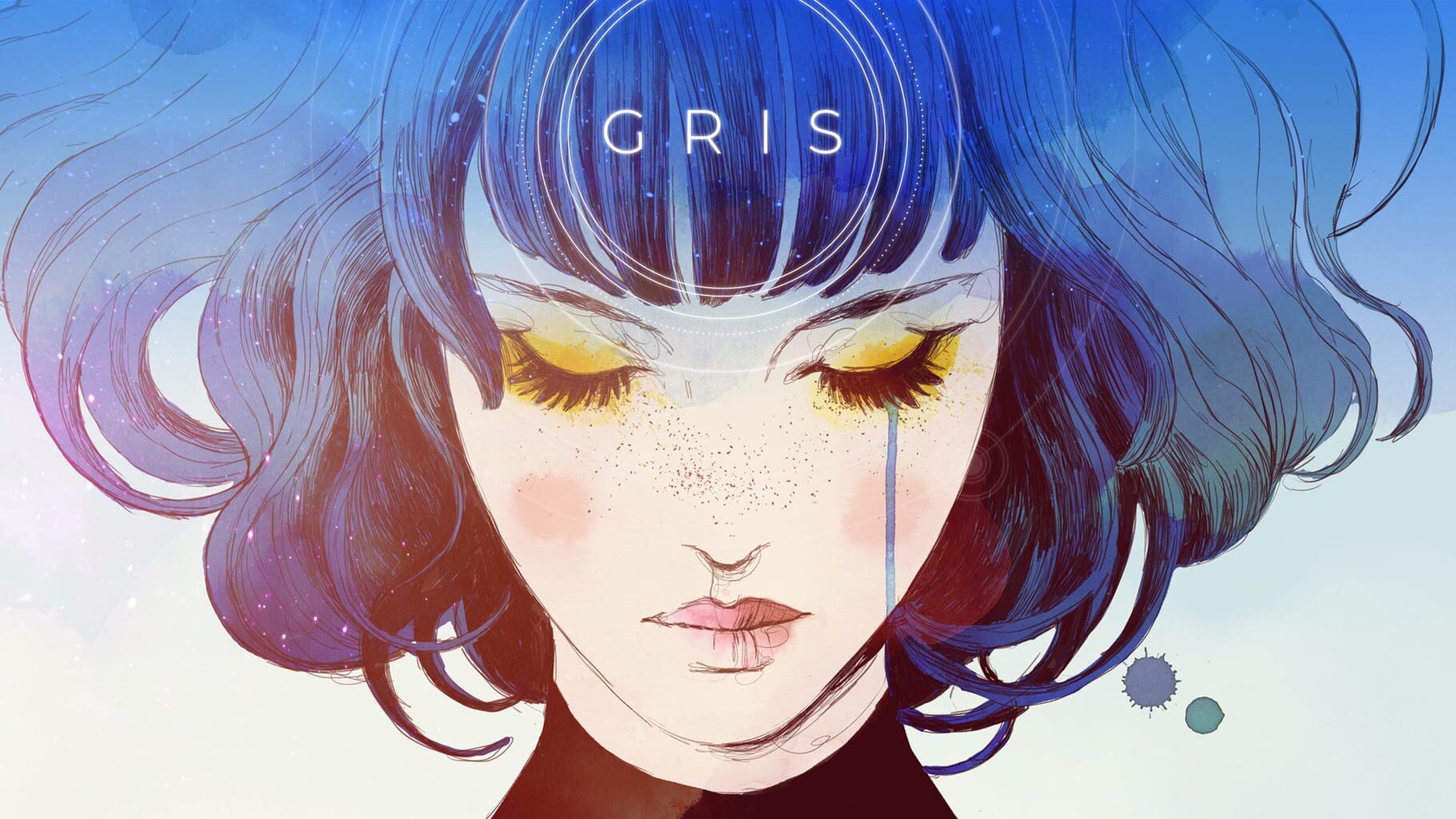
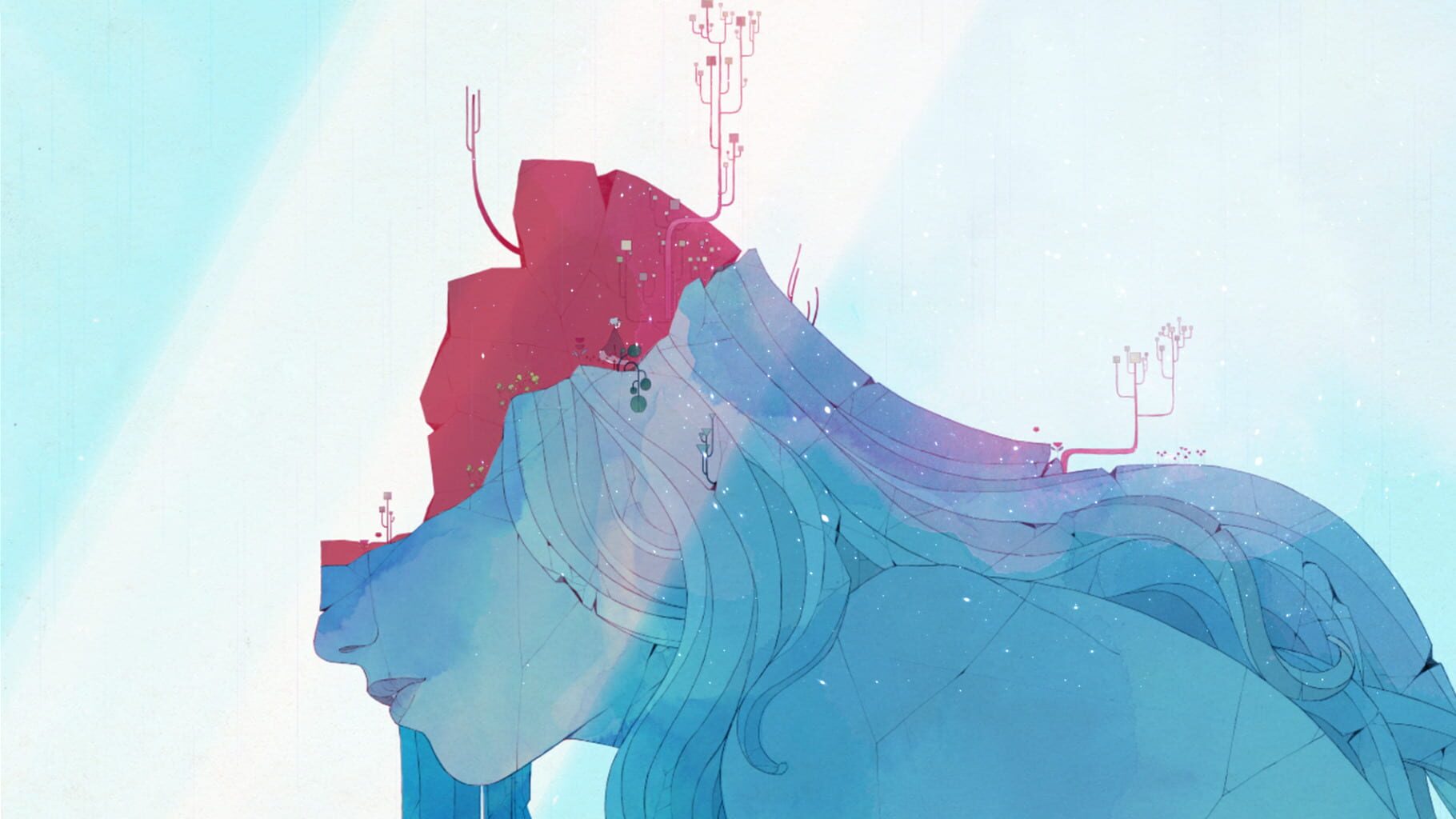
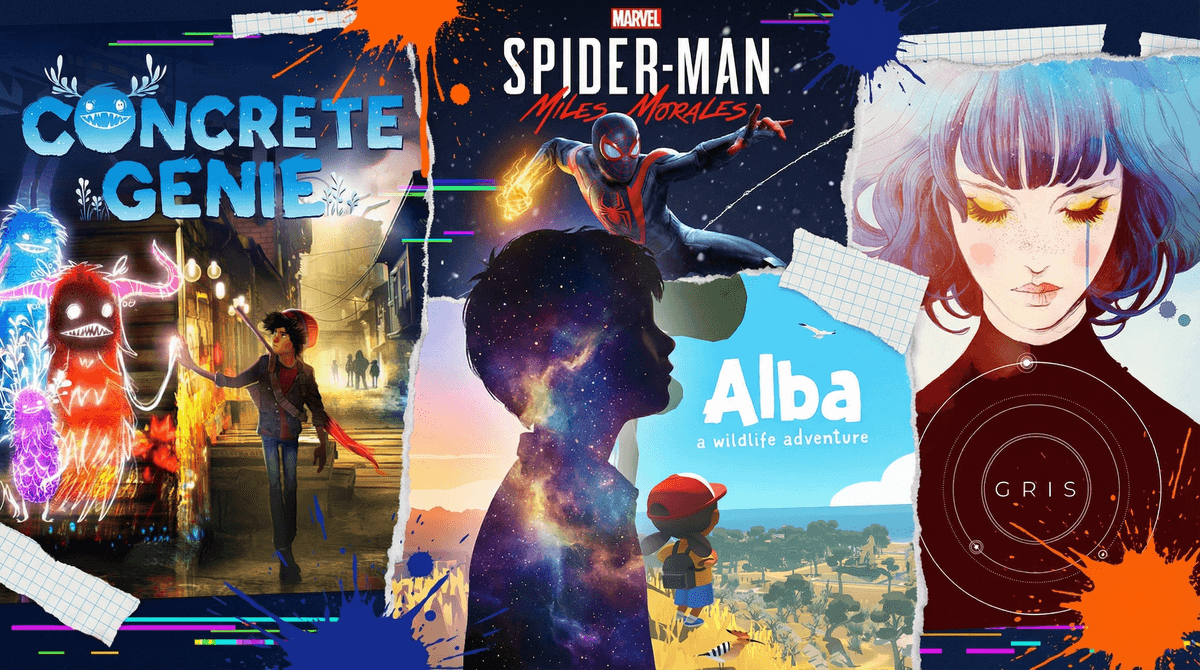
While the internet loves to call Gris "beautiful" and leave it at that, Nomada Studio actually built something more technically impressive than a simple digital painting. This is a masterclass in visual communication. Because there is zero dialogue, the game relies entirely on your kid's ability to read "environmental storytelling." They have to pay attention to the way the architecture crumbles or how the music swells to know where to go. It’s a fantastic way to build reading comprehension without words in a generation that is usually bombarded with quest markers and tutorial pop-ups.
The game doesn't just look like art; it functions like a silent film. If your kid is the type who gets overwhelmed by the constant "Go here! Do this!" chatter of modern open-world games, Gris will feel like a deep breath.
The mechanical metaphor
The core "loop" of Gris is about regaining color. You start in a washed-out, grayscale world, and as you progress, you literally unlock red, then green, then blue. It’s not just a filter change; it changes how the world works. Red brings the desert and wind; green brings life and trees.
For a parent, this is the ultimate "show, don't tell" tool for discussing mental health. The game is a literal manifestation of how interactive stories offer a gentle way to explore big feelings. When Gris’s dress turns into a heavy stone block to help her withstand a storm, it’s a perfect metaphor for the "weight" of sadness or the defenses we build when things get hard. You don't need to be a therapist to point this out—just watching the screen together makes the conversation obvious.
A "cozy" game with actual teeth
We talk a lot about "cozy games," but often that just means "farming simulator with cute animals." Gris is different. It’s a cozy game that actually calms kids down because it removes the fear of failure. You cannot die. You cannot get a "Game Over" screen.
However, "no death" doesn't mean "no challenge." There are moments of intense pressure—usually involving a giant, ink-like bird or a shadow-creature—that represent the more frightening parts of grief. These sequences provide just enough friction to keep the game from feeling like a screensaver, but they won't lead to a controller-throwing meltdown. It’s the ideal bridge for a kid who wants a "real" gaming experience but struggles with the high-stakes stress of competitive shooters.
How to play it
Don't treat this like a 40-hour epic. It’s a singular experience that lasts about three or four hours.
- The "Movie Night" Approach: Since it’s short, you can treat this like a prestige miniseries. Play it over two nights.
- The Soundtrack: If you have a decent soundbar or headphones, use them. The music is half the experience.
- The "Art House" Pivot: If your kid is into drawing or animation, this is their required reading. Point out the line work and the way the character moves—it's fluid in a way that most big-budget games never manage.
If your kid has already cycled through the high-octane chaos of the latest battle royale and needs a palette cleanser, this is the best use of their screen time. It’s a rare instance where the "games are art" hype is actually justified.