The "Forbidden Fruit" that tastes like cardboard
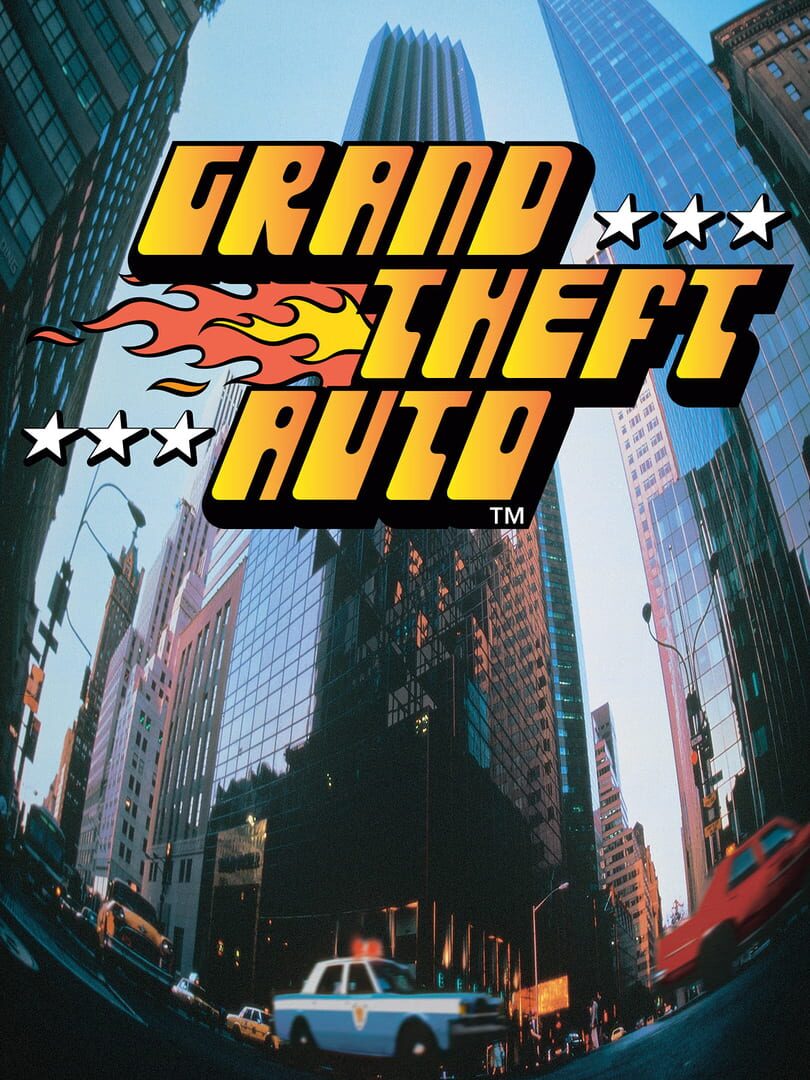
If your kid is asking about the original Grand Theft Auto, they aren't looking for a deep narrative experience. They’ve likely seen a "History of GTA" video on YouTube or they’re trying to trace the roots of a franchise that has become a permanent fixture of the cultural zeitgeist. In 1997, this game was the ultimate moral panic. Today? It’s a relic.
The biggest friction for a modern player isn't the crime—it’s the camera. The game uses a top-down "bird's eye" view that zooms in and out based on your speed. It sounds innovative on paper, but in practice, it’s a recipe for a headache. For a generation raised on the fluid 3D movement of Fortnite, trying to navigate a pixelated Liberty City in this game feels like trying to drive a car while looking through a telescope from a helicopter. Most kids will bounce off the controls within ten minutes.
The Score is the Currency
One specific mechanic that often gets lost in the "crime simulator" conversation is how the game handles progression. Your score is literally your money. If you want to progress to the next city, you need to hit a certain point threshold. But if you want to respray your car to lose the cops or buy weapons, you have to spend those points.
It creates a strange, arcade-style tension that modern sandbox games have largely abandoned. You aren't just causing chaos for the sake of it; you’re trying to manage a "crime budget." While the intent is obviously antisocial, the actual loop is more about resource management than visceral thrills. If you’re trying to understand what actually matters regarding violence in games, this is a prime example of "intent vs. impact." The intent is to be a career criminal, but the impact is clicking on tiny colored squares until a number goes up.
The Anti-Hero Problem
In modern media, we’re used to the "lovable rogue" or the anti-hero with a heart of gold. You can see how we've evolved by looking at our guide on navigating the era of the anti-hero. But the 1997 version of Grand Theft Auto doesn't bother with any of that. There is no "why" behind your character's actions. You are a nameless avatar doing chores for mob bosses because a pager told you to.
There’s no moral arc here, no redemption, and no commentary. It is crime in its most transactional form. For parents, this is actually a useful distinction. If your kid is interested in this game, it’s a great time to talk about the difference between a story-driven game where characters make choices and an arcade game where the only goal is "more."
If they want cars, give them physics
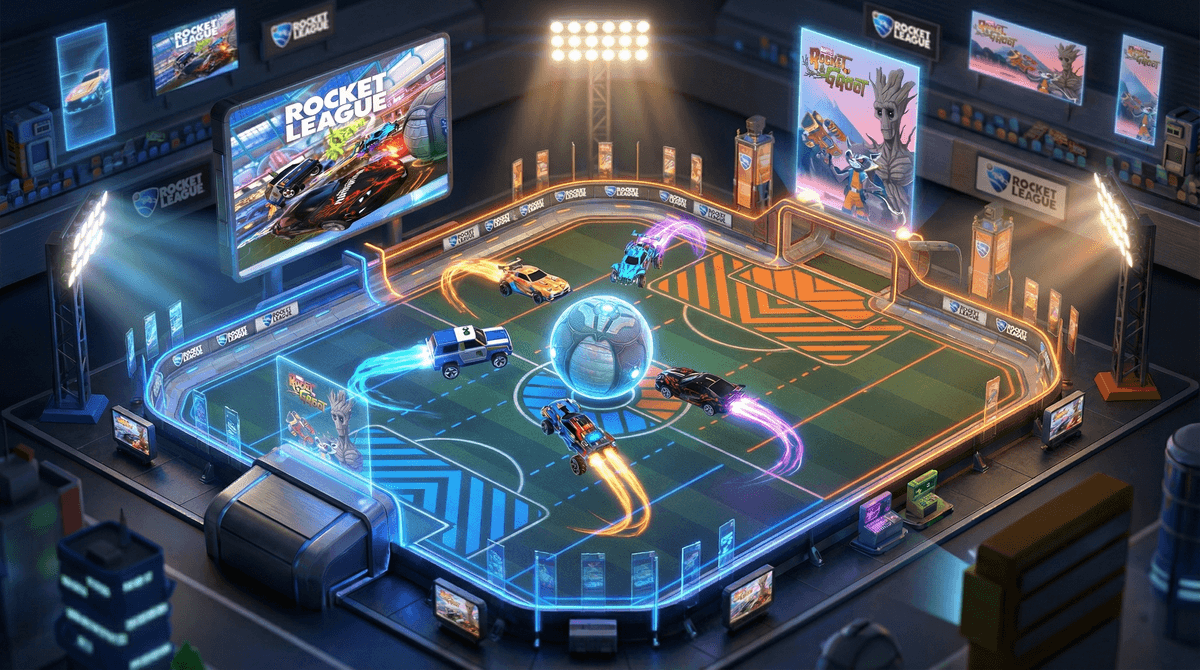
If your kid is drawn to the "driving and doing whatever I want" aspect of this series but isn't ready for the heavy-duty themes of the modern entries, there are better pivots. A game like Rocket League offers the high-speed car control and "sandbox" physics feel without the baggage of carjacking.
Ultimately, the 1997 Grand Theft Auto is a museum piece. It’s worth knowing it exists, but as a piece of entertainment in 2026, it’s boring. The IGDB scores might look decent, but that’s a reflection of its 1997 impact, not its 2026 "fun factor." Let them try it if they’re curious about gaming history; the clunky DOS-era controls will do more to keep them away from the franchise than any parental lecture ever could.