The suburban surreal vibe
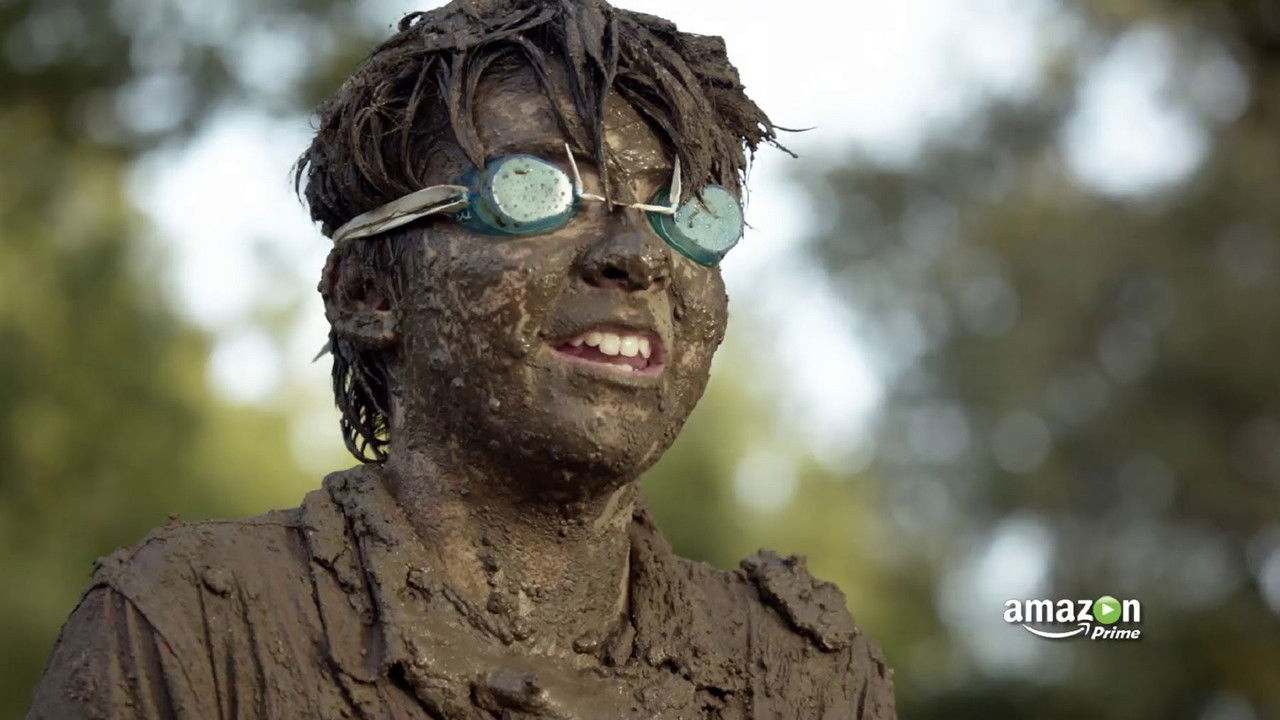
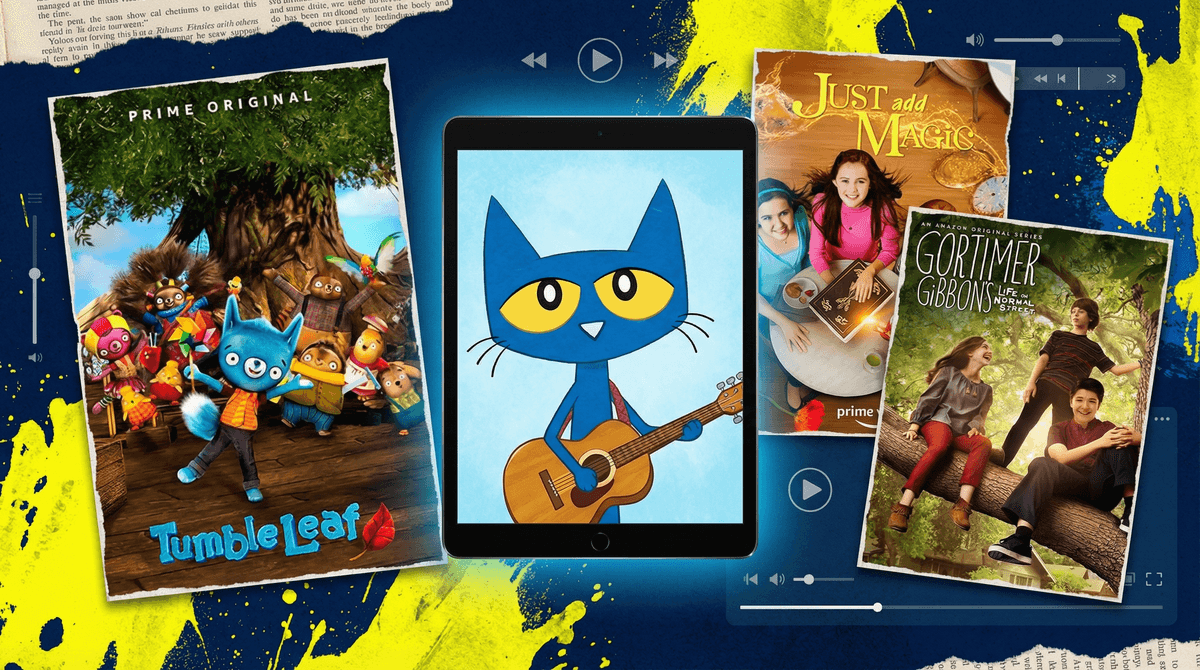
If you grew up on The Wonder Years or The Twilight Zone, you’ll recognize the DNA here immediately. Gortimer Gibbon doesn't do "magic" in the wands-and-dragons sense. Instead, it treats the weirdness of childhood—like a heatwave that makes people act crazy or a mysterious book that predicts the future—as a literal, physical part of the neighborhood. It’s magical realism for the middle-school set.
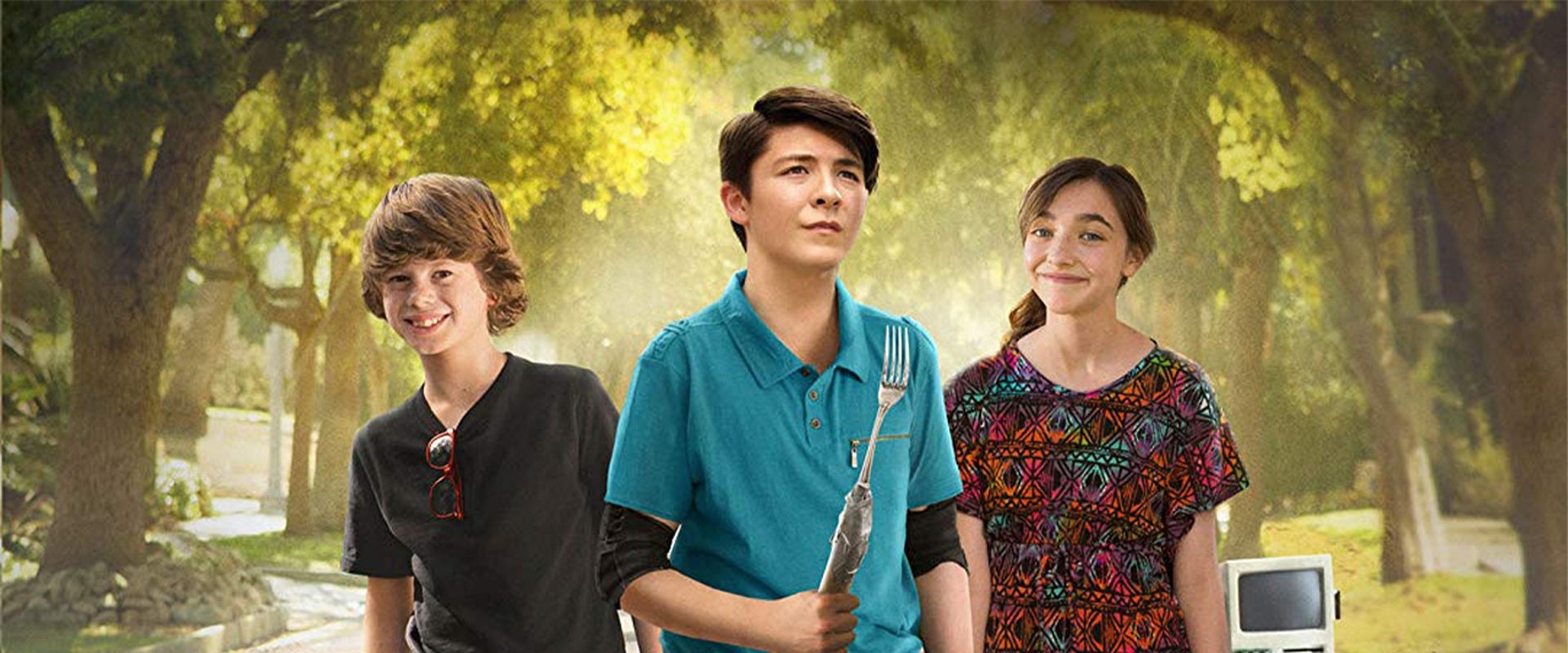
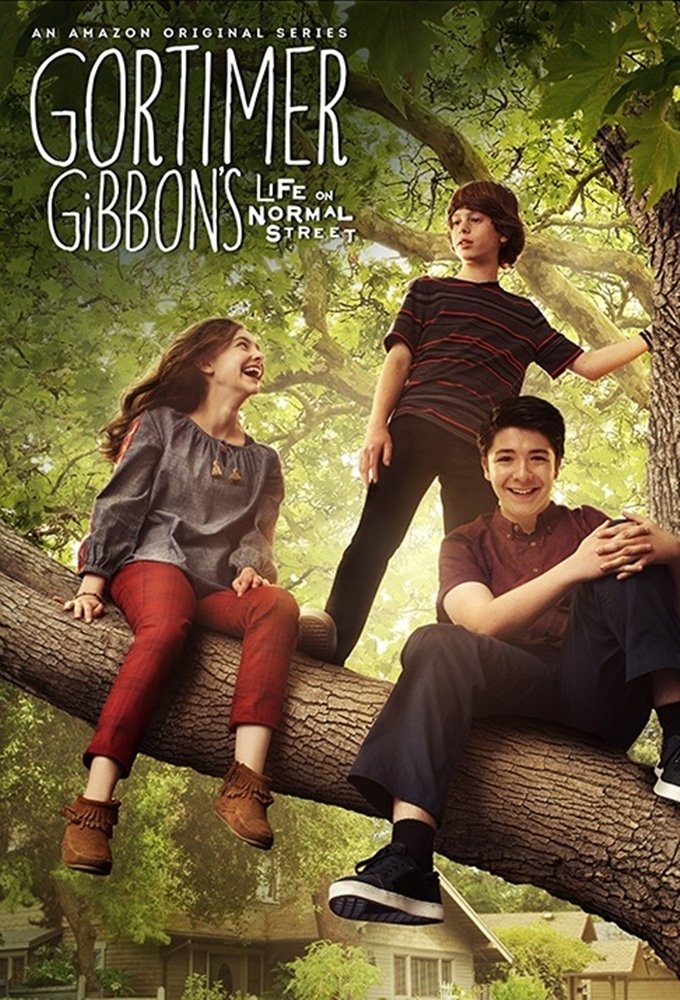
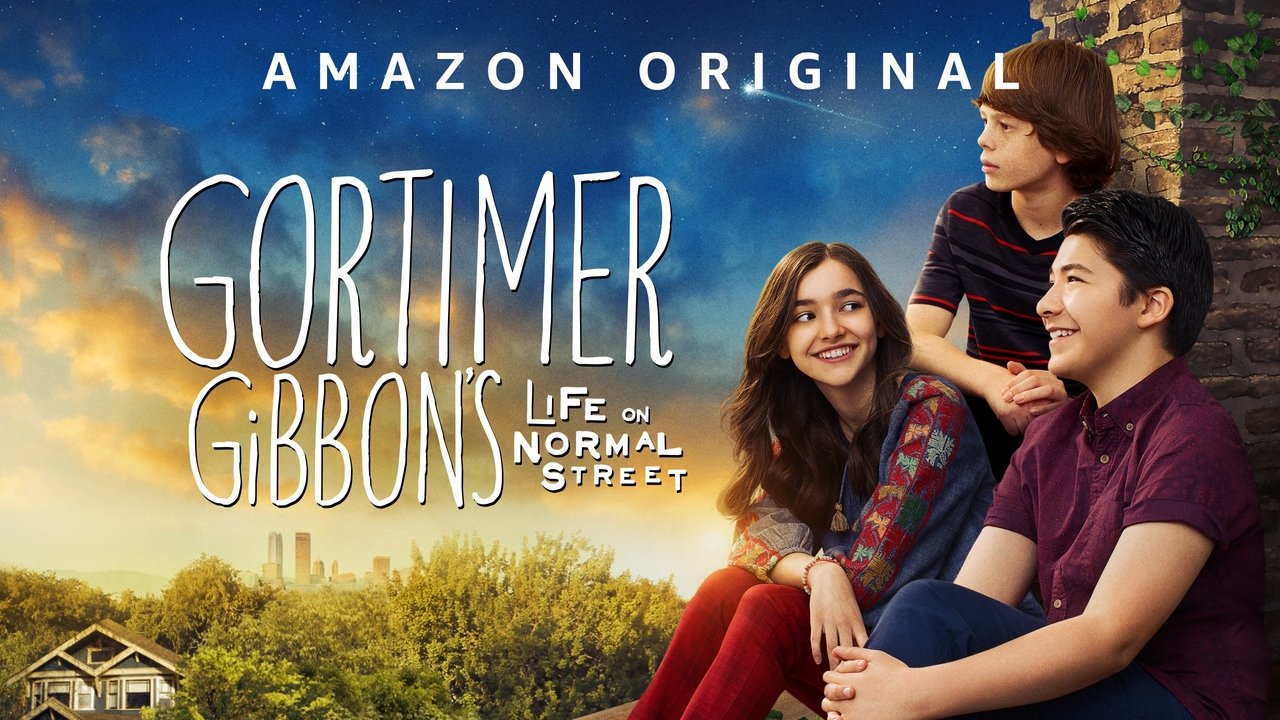
The show is built on a specific kind of quiet, indie-film energy that you rarely see in kids' TV anymore. While modern shows often lean into hyper-fast pacing and "loud" humor to keep kids from scrolling away, Gortimer is comfortable being slow. It trusts its audience to care about the internal lives of its three leads—Gortimer, Mel, and Ranger—just as much as the supernatural mystery of the week.
The "bridge" show for 8-10 year olds
There is a specific developmental window where kids outgrow the bright colors of Disney Channel sitcoms but aren't quite ready for the intensity of Stranger Things. This show sits right in that pocket. It deals with real-world friction—academic pressure, changing friendships, the realization that parents are flawed people—through the lens of the "Normal Street" mysteries.
If your kid has already cycled through the best streaming shows for 8-10 year olds and wants something that feels more "grown-up" without the jump scares or romantic drama, this is a top-tier candidate. It’s one of those rare feel-good shows for 7-9 year olds that actually respects their intelligence.
Why it’s a Prime Video outlier
Amazon’s early foray into original programming was an experimental time, and Gortimer was the flagship for a certain kind of "prestige" kids' TV. It’s more cinematic than its peers, but that also makes it feel like a relic of a different streaming era. Because it never became a massive franchise, it lacks the cultural footprint of something like Gravity Falls.
You won't find toys, fan theories on YouTube, or even many people who remember it. That makes it a "discovery" for your family, which can be a fun bonding experience, but it also means it’s a dead end. Once you finish the episodes, the world ends there. If you’re looking for other hidden gems in the same ecosystem, check out our guide to Amazon Prime originals for families to see which other 2010s-era experiments are still worth a watch.
A note on the "clean" factor
The show is famously wholesome, but not in a "preachy" way. The characters use "son of a blueberry" as a catch-all frustration phrase, which is a charming bit of world-building that avoids actual profanity while acknowledging that kids do, in fact, get annoyed. It’s a safe bet for parents who are sensitive to snark or "mean-girl" tropes, as the core trio is genuinely supportive of one another, even when the magical stakes get high.