The "it's a classic" guilt trip
We’ve all been there. You’re scrolling through a streaming app, you see a title with a 97 on Metacritic and a mountain of Oscars, and you feel a flickering sense of parental obligation. You think, Maybe we should watch the greats.
Let’s kill that urge right now.
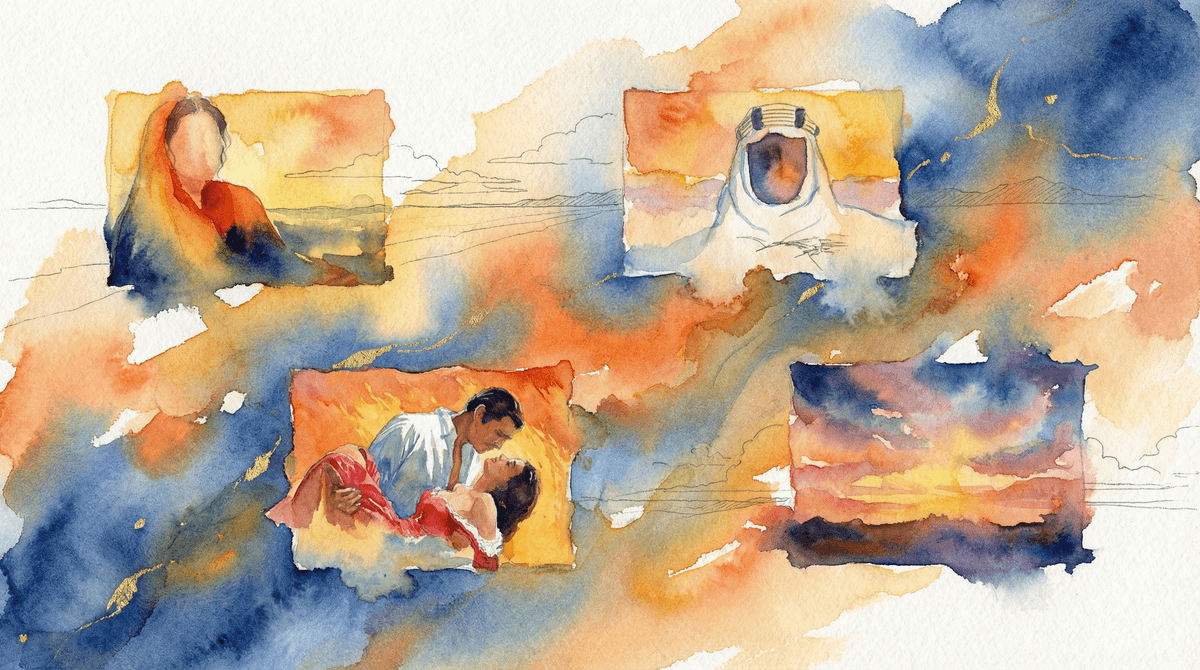
Watching this movie in the 2020s isn't like revisiting The Wizard of Oz or even Casablanca. It is an endurance test. While it sits high on many Best Picture Winners lists, it belongs in a museum, not on your couch for a casual Friday night. If you’re looking for a sweeping historical epic, there are ways to get that fix without the baggage. If you just want a long, romantic drama that actually respects its characters, you’re better off checking out how the 3-hour Veer-Zaara handles its epic runtime with far more grace.
The Scarlett O'Hara problem
One thing that often gets lost in the discussion of the film's "importance" is just how grating the actual experience of watching Scarlett is. She isn’t a "complicated anti-hero" in the modern sense. She is a spoiled, manipulative protagonist who spends the better part of four hours making life miserable for everyone around her.
For a modern kid used to the layered protagonists of current prestige TV or even modern Disney, Scarlett's "growth" feels nonexistent. You’re essentially asking your teenager to sit through a double-feature-length film where the main character’s primary motivation is a delusional obsession with a man who clearly doesn't want her. It’s not romantic; it’s exhausting.
Specific friction for the modern viewer
Beyond the well-documented "Lost Cause" propaganda and the casual racism that permeates every frame, there is a technical friction here that will alienate your kids.
- The Pacing: This movie was made for an era when "going to the movies" was a day-long event. The scenes breathe so slowly they practically stop.
- The "Romance": The central relationship between Rhett and Scarlett is toxic by any modern standard. When you get to the infamous "staircase scene," the movie frames what is clearly a non-consensual encounter as a moment of triumph and sexual awakening. Trying to explain that "it was just how movies were then" to a Gen Z viewer is a losing battle.
- The Mythology: The film treats the pre-war South as a literal paradise. This isn't just a background choice; it is the foundation of the story. If your kid has even a basic grasp of American history, the cognitive dissonance between what they know and what they’re seeing will be constant.
If you absolutely must watch it
If your teen is a genuine film buff or a history student who wants to see how Hollywood constructed its own myths, don't try to power through this in one sitting. Treat it like a limited series.
- Part 1: The pre-war setup and the burning of Atlanta. This is where the technical "grandeur" lives.
- Part 2: The Reconstruction era. This is where the plot turns into a slog and the historical revisionism gets truly thick.
Watching it this way allows for the "pause and talk" moments that are mandatory here. You’ll need them to address the way the film treats the O'Hara family's enslaved workers as "loyal family members" rather than people living in a brutal system. If you aren't prepared to have a three-hour conversation about 19th-century history and 1930s propaganda, just skip it. There are better ways to spend a Saturday.