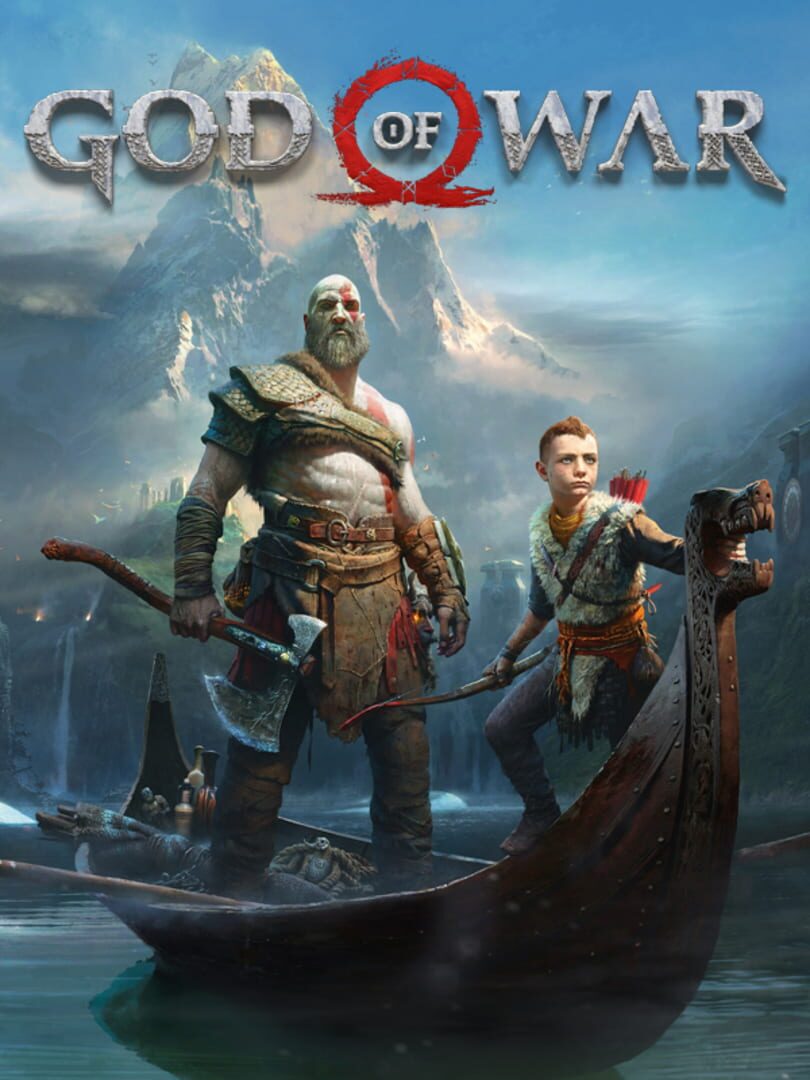
If you played the original games in the early 2000s, forget everything you know about Kratos. He’s no longer the screaming, one-dimensional avatar of rage. This reboot is essentially the Logan or The Last of Us of the franchise—a "prestige" experience that trades mindless button-mashing for a nuanced, slow-burn story about a grieving father and a son who barely knows him.
The "Dad of War" Shift
The most striking thing about this game isn't the combat; it's the perspective. The entire game is presented in a single, continuous camera shot. There are no cuts to black and no loading screens. It creates an intimacy that makes the quiet moments—like Kratos hovering his hand over Atreus’s shoulder, unsure how to offer comfort—hit harder than the actual fights.
If your teen is used to the frantic, colorful chaos of something like Fortnite, this will feel like a massive jump in sophistication. It’s a game that expects you to pay attention to the subtext. If your kid is already navigating emotional storylines in other media, they’ll appreciate that the game doesn't treat them like a child. It treats the player like an adult who understands that the hardest part of the journey isn't killing a dragon, but figuring out how to talk to your kid about their dead mother.
Mythology as a Mirror
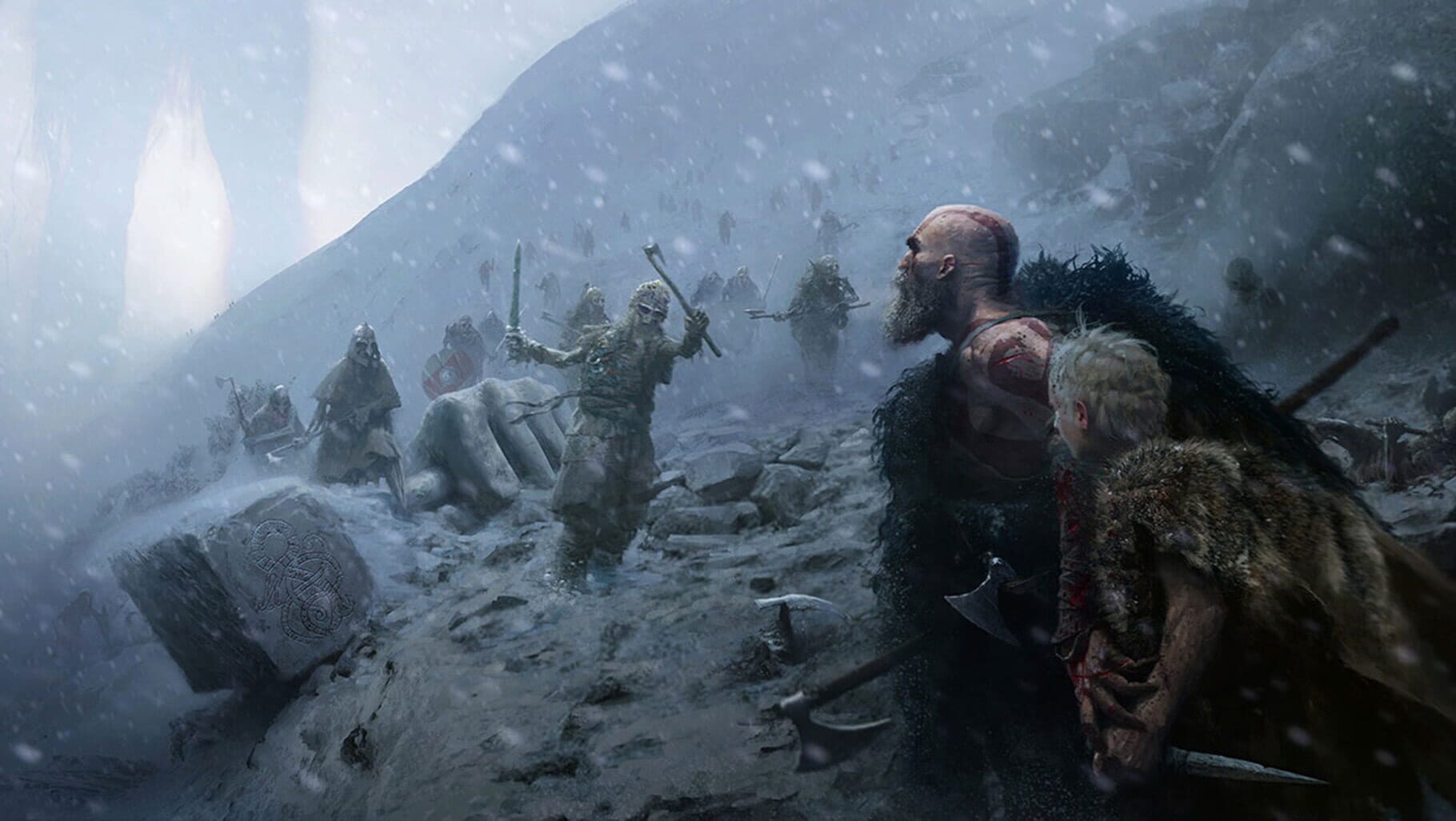
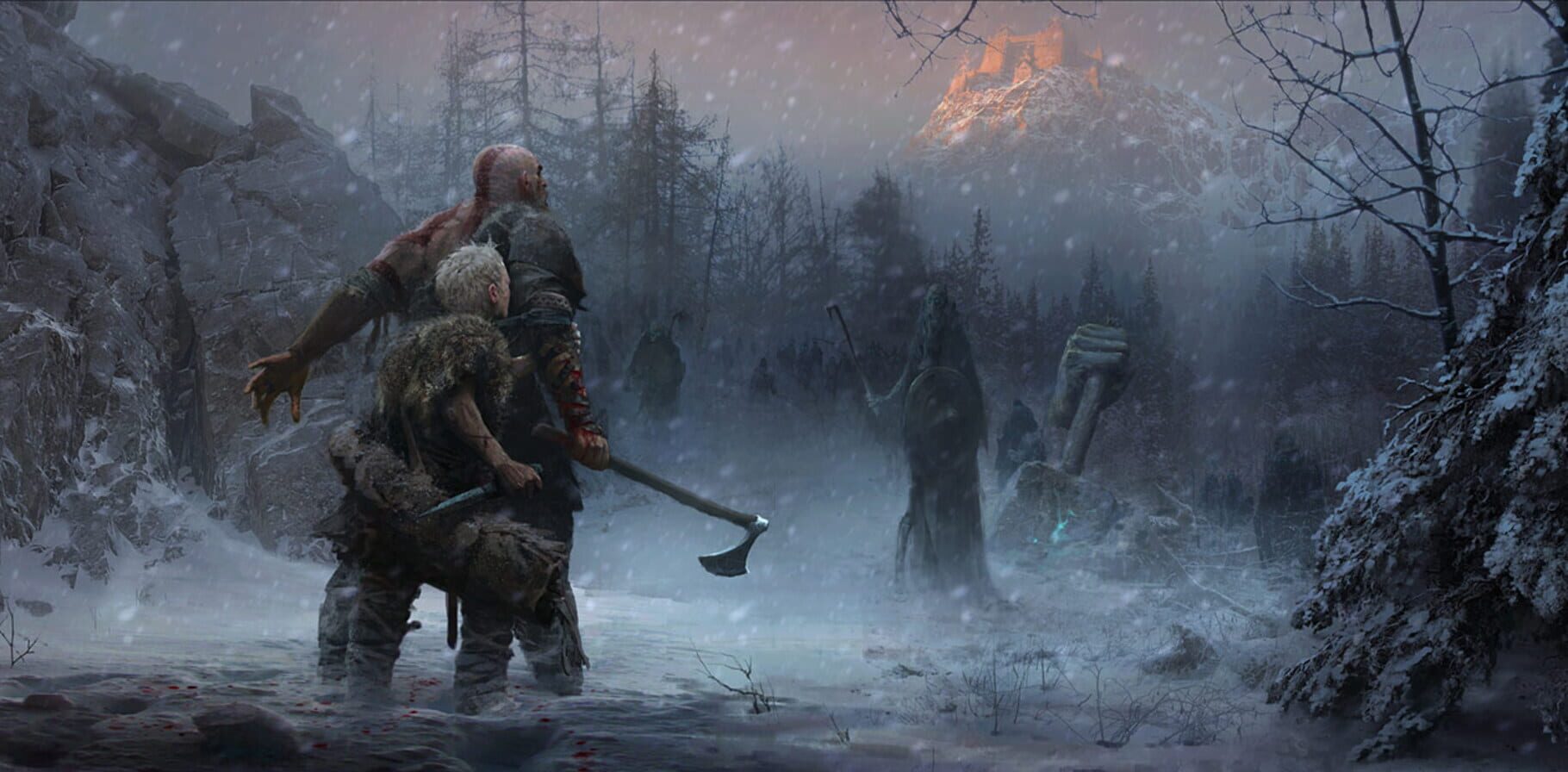
While the earlier games were a blood-soaked tour of Greece, this entry moves the party to Midgard. It treats Norse mythology with a level of detail that puts most Hollywood movies to shame. You aren't just seeing Thor or Odin; you’re living in a world shaped by their cruelty and the scars they left on the landscape.
For kids who grew up obsessing over Mount Olympus through books or other games, this is a fascinating, much darker pivot. It’s less about "who would win in a fight" and more about how these myths function as a cautionary tale about power. The game handles the lore with incredible respect, turning the Nine Realms into a giant, interactive puzzle box that rewards exploration and curiosity.
The Friction Points
Let’s talk about the violence. It is visceral. When Kratos uses his axe, you feel the weight of it. The "finishing moves" are cinematic and often involve tearing mythical creatures apart with bare hands. It isn't "cartoonish" violence; it’s heavy and impactful.
However, the game uses this to make a point. Kratos is actively trying to hide his past from his son, and every time he is forced to be the "monster" again, the game makes you feel the cost of that choice. It’s a great entry point for a conversation about whether violence is ever truly "solved" or if it just creates more problems down the line.
If you’re setting this up on a new console, it’s worth checking our PlayStation playbook to make sure you’ve got the right settings dialed in, because once your teen starts this story, they won't want to put the controller down until the final credits roll. It’s a rare game that manages to be both a technical masterpiece and a genuine tear-jerker.