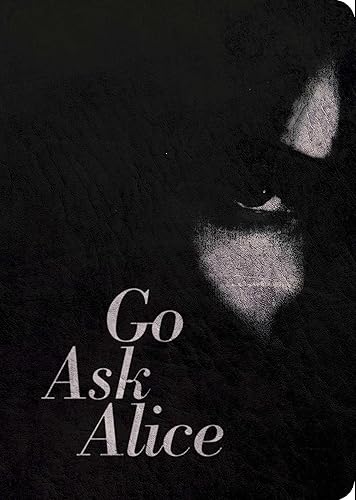
Go Ask Alice

Go Ask Alice

book

2020, Children's Books, Growing Up & Facts of Life

WISE
28%

WISE Score

4.6

Amazon

The infamous 'teen diary' about drug addiction that's actually fiction—graphic, dated, and more scare tactic than genuine insight.

Amazon4.6
Common Sense Media

Where to Read

Our reviews and ratings are 100% unbiased, but as an Amazon Associate, Screenwise earns an affiliate fee if you buy a book or game by clicking one of our links. We don't get any credit if you just Google it instead :)

Screenwise Verdict

Look, Go Ask Alice has been around for 50 years and sparked countless conversations about drugs. That's worth something.

But let's be real: this book is a relic. It was marketed as a real teen's diary for decades, which gave it credibility and shock value. Turns out it was written by Beatrice Sparks, a Mormon therapist, as a cautionary tale. That deception taints the whole thing.

The content is brutally graphic—drugs, sexual assault, prostitution, death. It's a scare tactic wrapped in a diary format. For some families with older teens (16+), it might open important conversations about addiction. But for most modern teens, it's going to feel preachy, dated, and manipulative.

The 1960s hippie counter-culture framing doesn't translate well to today's world. If you want to talk to your teen about substance abuse, there are better, more honest, more current resources. This one belongs more in a time capsule than on a reading list.
Age Fit

This is strictly for mature older teens (16+) and even then, only with parental guidance and discussion. The graphic content, trauma, and disturbing themes make it inappropriate for younger readers, despite being marketed in the 'children's books' category. Many adults find it worthwhile as a conversation starter, but it's heavy, dated, and potentially triggering.

WISE Breakdown
Wholesome
25

This is a harrowing, no-holds-barred depiction of teen drug addiction in the 1960s. It includes explicit descriptions of drug use, sexual situations, prostitution, and a descent into homelessness. While the anti-drug message is clear, the journey is deeply disturbing and emotionally traumatic. Not emotionally healthy content for most teens, despite its cautionary intent.

Imaginative
35

Presented as a diary format, which was somewhat innovative for its time as a cautionary tale. However, it's now known to be fiction written by therapist Beatrice Sparks, not an actual teen diary. The narrative is linear and focused on shock value rather than creative exploration or original storytelling. It doesn't invite curiosity or creative thinking—just fear.

Safe
20

Extremely unsafe for younger readers. Contains graphic descriptions of drug use (LSD, speed, heroin), sexual assault, prostitution, running away, and ends with the protagonist's death. Common Sense Media parent reviews note 'too much sex,' 'too much swearing,' and 'too much drinking/drugs/smoking.' This is trigger-warning territory across multiple categories. The deceptive marketing as a 'real diary' when it's actually fiction adds another layer of concern.

Enriching
40

As a cautionary tale, it does provide stark insight into addiction's grip and consequences. Some parents find it worthwhile for opening conversations about drugs with older teens. However, its scare-tactic approach, dated 1960s context, and now-debunked authenticity significantly limit its educational value. Modern teens may find it preachy and manipulative rather than genuinely enlightening.

Parent Info

Why It Might Be Great

  • Opens a door to serious conversations about drug addiction and peer pressure with older teens
  • The diary format makes the descent feel immediate and personal, even if it's not real
  • Has been a cultural touchstone for 50+ years—your teen's grandparents probably read it
  • The anti-drug message is crystal clear, even if delivered with a sledgehammer

What to Watch For

  • Extremely graphic content: drug use, sexual assault, prostitution, homelessness, death—this is not light reading
  • Marketed as a real diary for decades but actually written by a Mormon youth counselor as cautionary fiction—feels manipulative
  • The 1960s hippie-counter-culture framing is dated and may come across as preachy or out-of-touch to modern teens
  • Can be triggering for anyone with experience with addiction, trauma, or mental health struggles
  • Some teens may find the scare-tactic approach eye-rolling rather than educational

Conversation Starters

  • "Do you think scare tactics like this actually work to keep teens away from drugs, or do they backfire?"
  • "How do you feel knowing this was presented as a real diary but was actually written by an adult? Does that change how you read it?"
  • "What would a more realistic, modern version of this story look like today?"
  • "If a friend was struggling with substances, what would actually help them versus what happens in this book?"

Ask Anything

Get a personalized guide on any topic