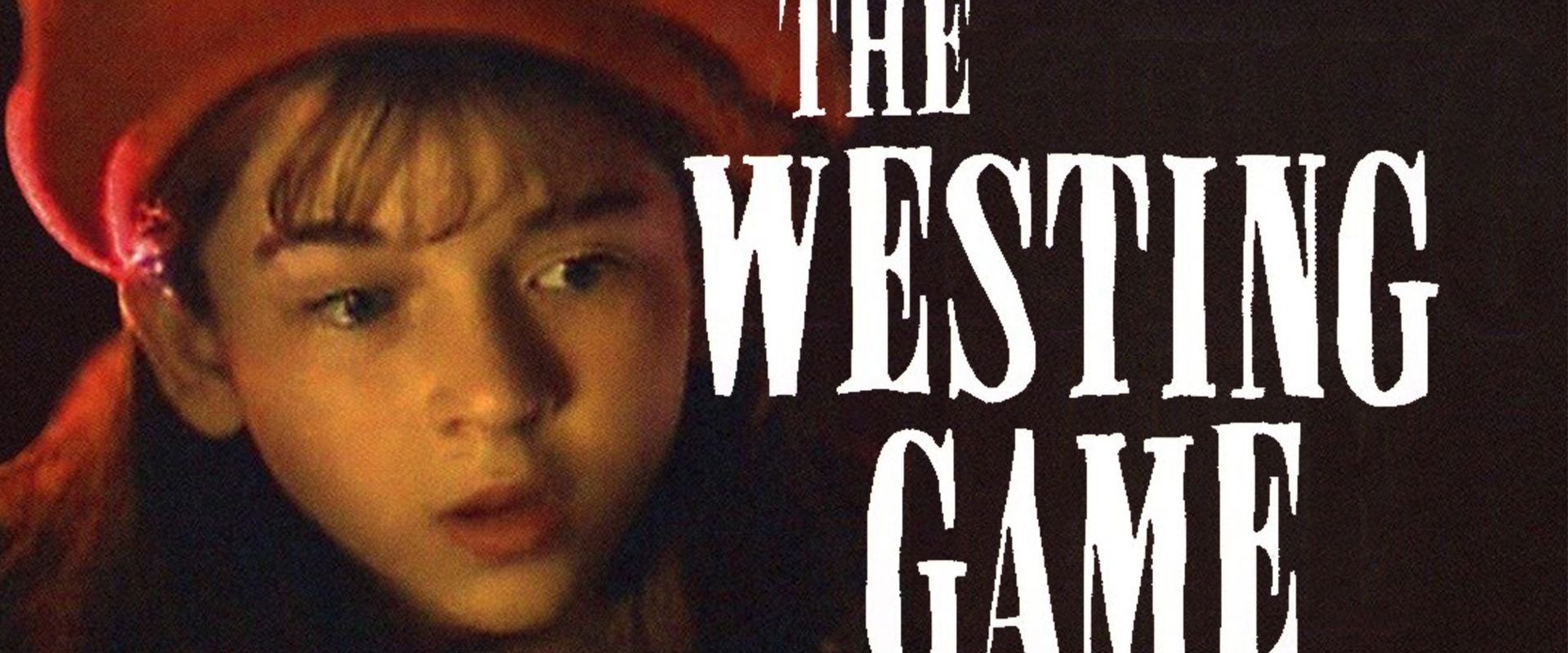
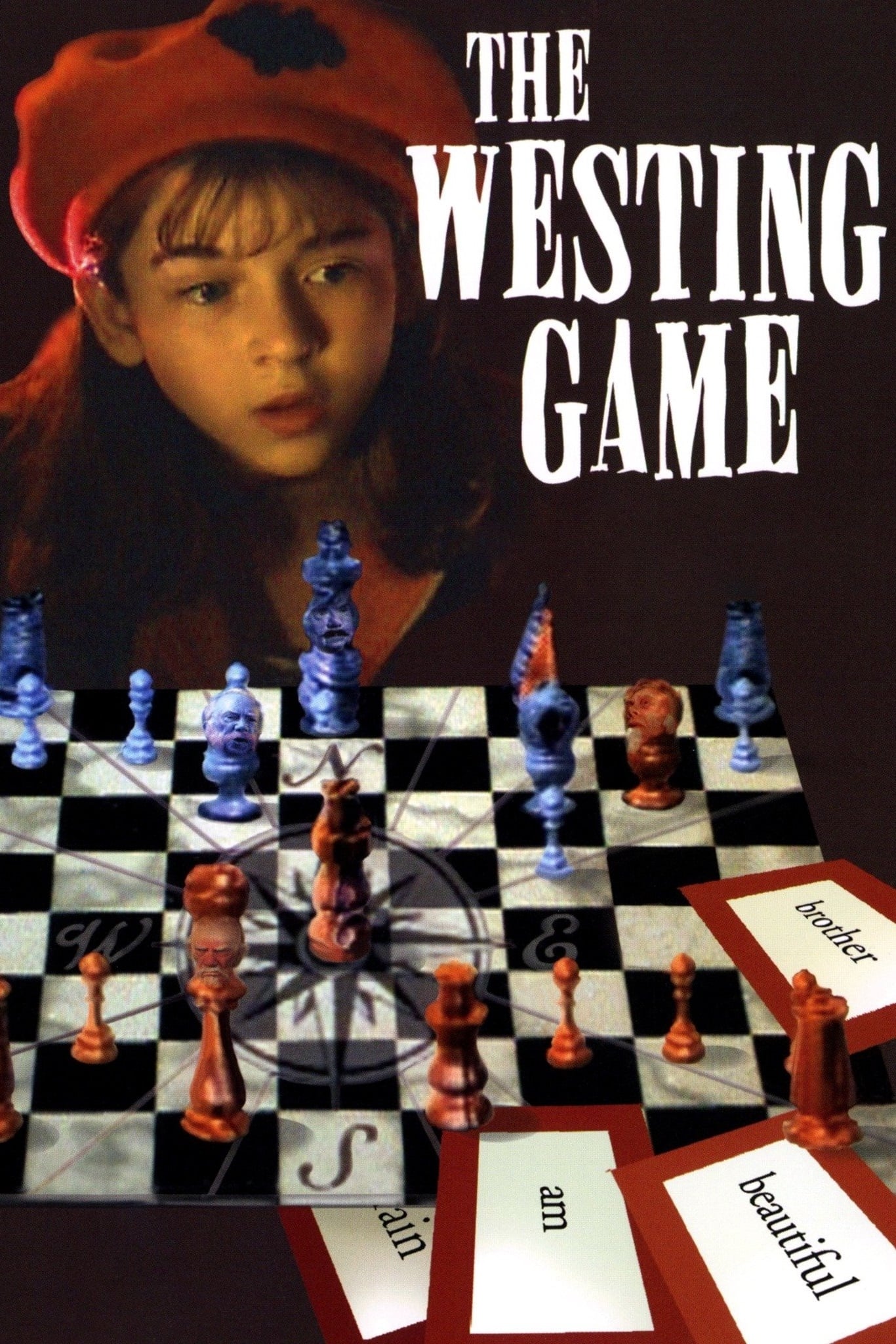
The 1997 TV movie reality check
If you grew up in the era of "Movie of the Week" programming, you know exactly what this looks like. It’s flat lighting, questionable hair, and sets that feel like they were borrowed from a soap opera. On Letterboxd, this thing sits at a 2.8, and that’s being generous to the cinematography. We are firmly in the territory of "functional storytelling" rather than "cinematic art."
The reason anyone still talks about Game is the source material. It captures that specific 90s mystery vibe—think Clue but with a much smaller budget and a younger protagonist. If your kid is used to the high-gloss production of modern streaming hits, the transition to this will be jarring. It’s the visual equivalent of eating a plain rice cake after a week of gourmet donuts.
The logic is the lead
Despite the low-rent production, the actual puzzle mechanics remain solid. The plot follows the "Westing Game" blueprint: sixteen heirs, one dead millionaire, and a $20 million prize. It’s a mystery that rewards viewers who actually pay attention to the names and the clues being doled out in the will.
Unlike many modern "mysteries" that rely on a last-minute twist no one could have guessed, the solution here is buried in the details. It’s a great pick for kids who fancy themselves young detectives. If they’ve already burned through the book, they will likely spend the whole runtime pointing out what the movie got wrong, which is its own kind of fun. If they are looking for a more modern, high-stakes mystery that feels a bit more "now," you might point them toward the psychological grit of The Naturals series, though that’s definitely for the older side of the middle-grade bracket.
The "if they liked this" pipeline
If your kid enjoys the "locked-in" nature of this story—where a group of strangers is trapped in a building trying to solve a riddle—they are likely a fan of systems. They want to know how the world works and how to beat the person in charge.
- For kids who love the strategy but want more action, moving into tactical tabletop experiences like Slay the Spire: The Board Game is a natural next step.
- If they are specifically into the "deadly game" trope and are hitting their teen years, they might eventually ask about Zero Escape: The Nonary Games. Be warned: that series takes the "solve or die" logic of Game and cranks the intensity and the body count to an extreme.
Ultimately, Game is a curiosity. It’s something to put on a tablet during a long car ride or a rainy afternoon when you’ve already exhausted the better options on Cineverse or the Dove Amazon Channel. It isn't prestige, but it is a harmless way to spend 90 minutes testing your kid's deductive reasoning. Just don’t expect them to be impressed by the special effects.