The Ultimate Offline Machine
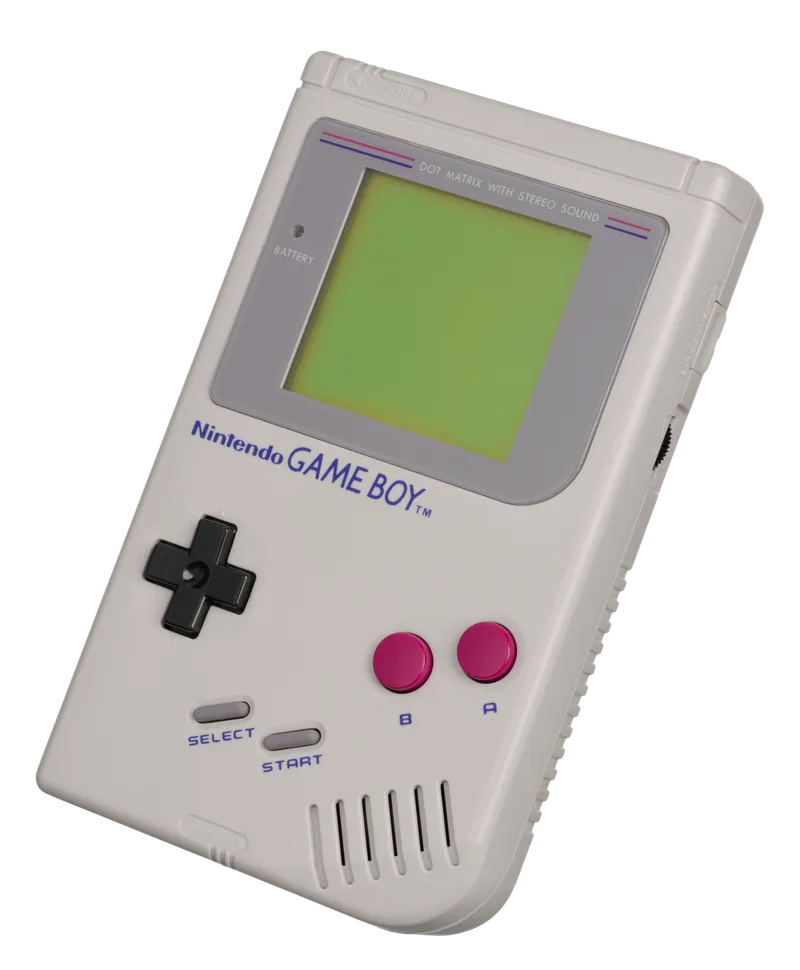
In an era where every gaming handheld demands a Wi-Fi connection, account creation, system updates, and a credit card on file, the 1989 Game Boy stands as a monument to self-contained electronics. Gunpei Yokoi's design philosophy—"lateral thinking with seasoned technology"—focused on cheap, durable parts and incredible battery life rather than cutting-edge visuals. The result was a plastic tank that could survive a drop down the stairs and keep playing Tetris for 15 hours on four AA batteries.
For intentional families, the Game Boy offers something almost non-existent in modern consumer tech: absolute friction-free isolation. There are no notifications, no toxic multiplayer lobbies, and no battle passes pressuring your kid to log in daily. The safety profile of the hardware is practically absolute.
The Modern Reality Check
While the safety and simplicity are off the charts, the physical playability of original hardware in 2026 requires setting expectations. The original screen is a non-backlit 160x144 reflective LCD display with four shades of olive green. If your kid is sitting in the back seat of a car after sunset or on a couch without a reader lamp pointed at their shoulder, they will not be able to see the game.
If you want your kid to experience Pokemon Red, The Legend of Zelda: Link's Awakening, or Super Mario Land, you have two practical paths. Path one is buying an original Game Boy that has been modded with a modern IPS backlit screen by retro enthusiasts. Path two is playing those exact classic titles on a modern device via legacy virtual console services. If you stick to original unmodded hardware, treat it as a fun mechanical artifact and keep a desk lamp nearby.