The Stuart Gibbs formula
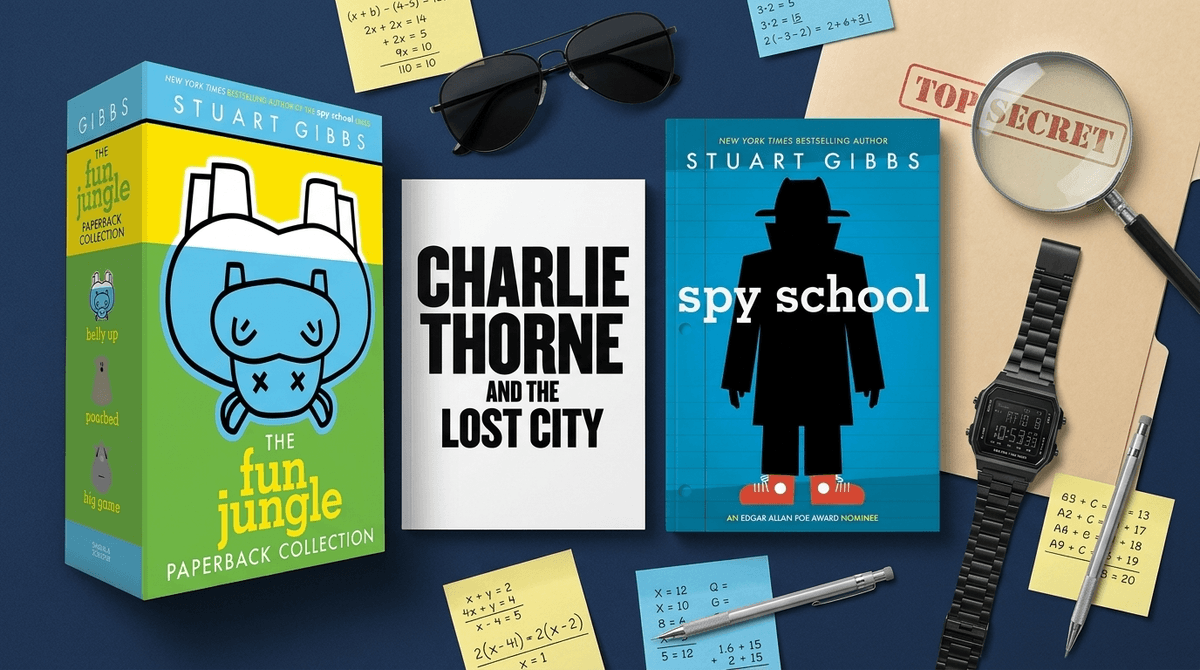
Stuart Gibbs has essentially cornered the market on "smart-aleck but capable" protagonists. If your kid has already burned through the Spy School series, FunJungle is the logical next step. It hits that sweet spot for readers who have outgrown the whimsy of early chapter books but aren't quite ready for the angst of YA. Teddy Fitzroy is a great lead because he isn't a superhero; he’s just a kid who pays attention.
The series works because it treats the zoo setting as a complex ecosystem of politics, science, and occasional gross-out humor. It’s one of the best book series 5th graders can’t put down because the stakes feel real even when the situations are absurd. When a hippo dies or a panda goes missing, the investigation involves actual deduction rather than convenient plot armor.
Navigating the "friction" points
You might see some chatter in parent reviews about "mild cursing" or the dark nature of the setups. Let’s be clear: the first book, Belly Up, literally starts with a dead mascot. If your child is particularly sensitive to animal harm, the premise of a "zoo mystery" might be a tough sell. However, the tone is much closer to a comedic procedural than a tragedy.
Regarding the language, we’re talking about words like "hell" or "damn" used sparingly to reflect how middle schoolers actually talk when their parents aren't around. It adds a layer of authenticity that helps the books land with kids who are starting to sniff out when media is being "too safe" for them. If you can handle a PG-rated action movie, you can handle FunJungle.
Expanding the Gibbs-verse
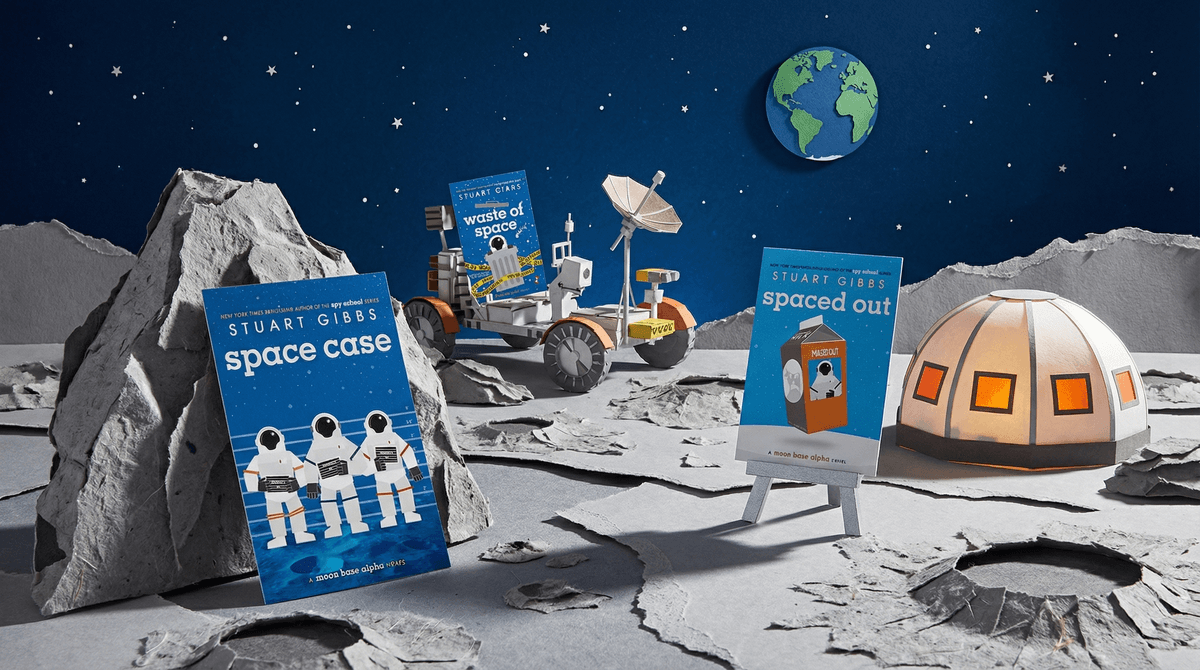
If these books click, you have a massive runway of content. Gibbs is prolific, and his various series often share the same DNA of mystery and specialized knowledge. Once they finish the initial trilogy of Belly Up, Poached, and Big Game, you can point them toward Space Case by Stuart Gibbs: A Gateway to STEM and Mystery for Middle Graders. It swaps the zoo for a moon base but keeps the same high-stakes investigative energy.
For kids who specifically love the wildlife aspect, the series eventually goes international. There is a later installment called Ape Escape that moves the action to Rwanda. It’s a great way to transition from "fun zoo facts" to broader conversations about global conservation. This isn't just "screen-time alternative" filler; it’s the kind of series that actually builds a kid's vocabulary and curiosity about the natural world while they’re busy trying to figure out who poisoned the hippo.