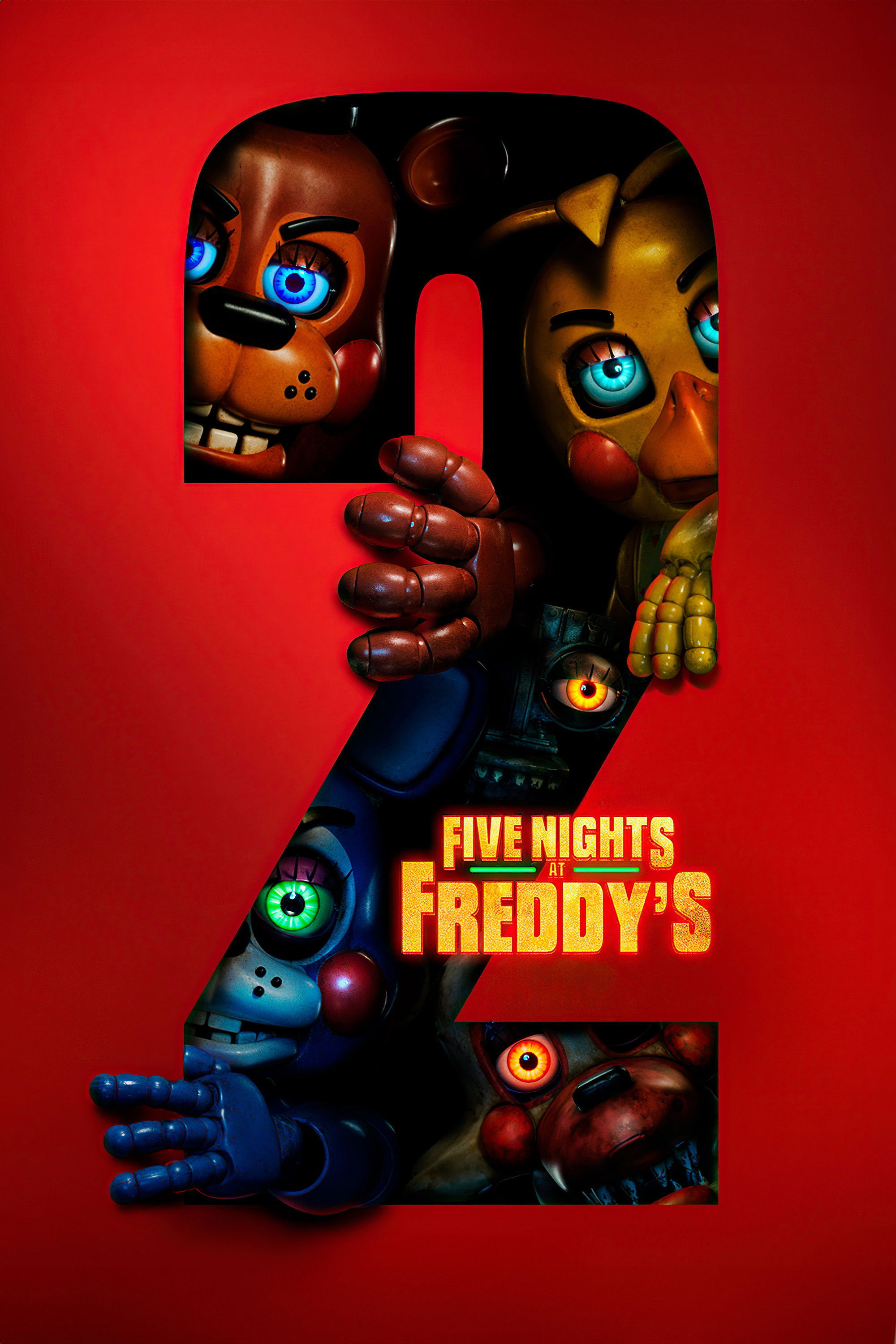
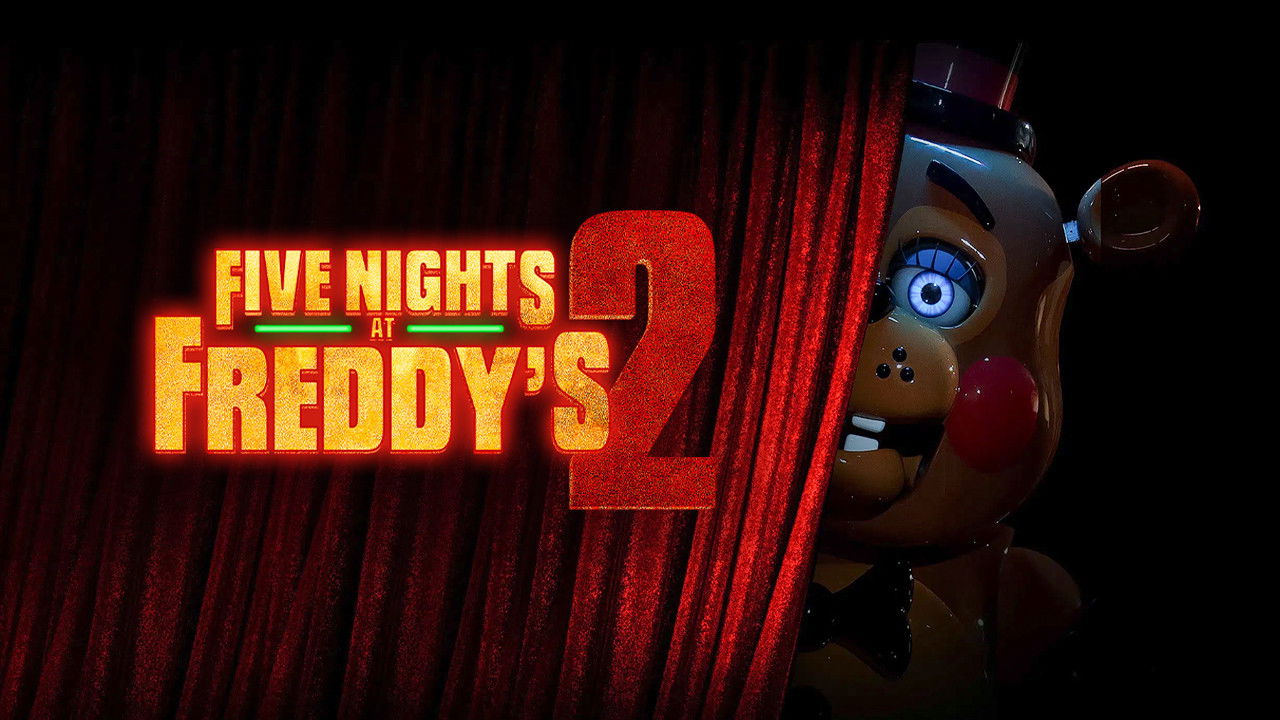
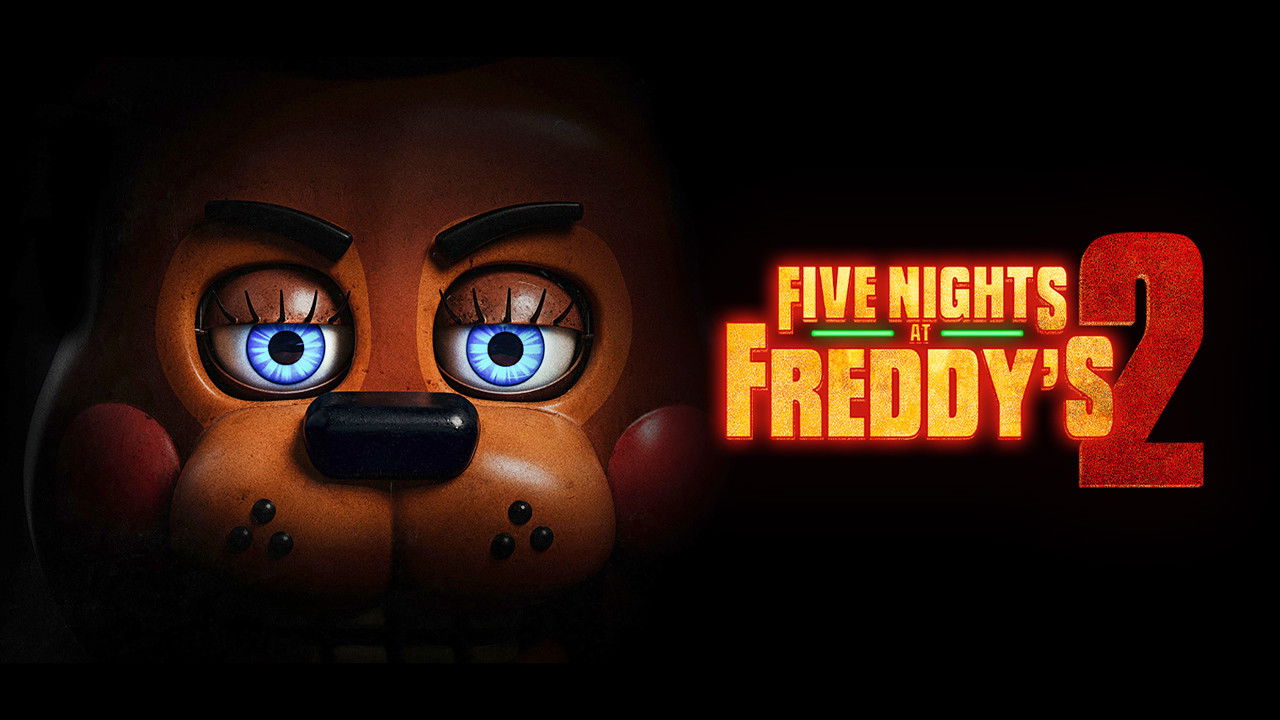
The massive gap between the 16% critic score and the 85% audience score on Rotten Tomatoes tells you everything you need to know. Critics are looking for a coherent three-act structure and character development; your kid is looking for Easter eggs. This movie isn't trying to be The Shining. It’s a high-budget delivery system for game lore and "I recognize that!" moments.
The lore wall is real
If you felt a bit lost during the first film, prepare to be completely stranded here. The sequel doubles down on the "supernatural nightmare" elements, weaving in decades of back-story that the games usually hide in 8-bit mini-games or cryptic audio files. To a casual viewer, the plot feels like a fever dream of confusing motives and "wait, who is that?" reveals.
But for the target audience, that confusion is the point. The film is designed to be paused, screenshotted, and debated on Discord for the next six months. If you want to actually understand what’s happening while you’re sitting in the theater, check out our parent's guide to Five Nights at Freddy’s, which breaks down the "Mimic" lore and the history of the haunted robots without requiring a PhD in YouTube theory videos.
Fazfest and the vibe shift
The first movie was a claustrophobic, dusty affair set in a crumbling pizza parlor. This time around, the "Fazfest" setting opens things up. The neon-soaked, carnival atmosphere is a huge visual upgrade. It feels less like a low-budget slasher and more like a spectacle.
The animatronics—Freddy, Bonnie, Chica, and Foxy—look incredible. There’s a tactile, heavy feeling to them that CGI just can’t replicate. When they’re on screen, the movie hums. When the humans are talking about their feelings for twenty minutes in the middle of the second act, the movie drags. The pacing is objectively messy, but when the "decades-hidden horror" finally shows up, the theater will likely be too loud for you to care about the script's flaws.
Managing the jump scares
While the movie is bloodless enough to keep its rating, it is relentless with the startle response. This isn't "elevated horror" that builds dread; it’s a jack-in-the-box that hits you every ten minutes. If your child is sensitive to loud, sudden noises, they’re going to have a rough time, even if they love the characters.
If this is their first foray into "theater horror," it’s worth looking at how it compares to other 2026 horror franchises. FNAF occupies a weird middle ground: it’s tonally darker than a Goosebumps book but much "safer" than something like Scream. It’s the ultimate "gateway" horror movie.
Is it worth the theater trip?
If your kid is part of the fandom, this is their Super Bowl. Watching it on a phone or a laptop later won't have the same impact as hearing the entire theater gasp when a specific character walks on screen. It’s a communal experience for a generation of kids who grew up watching these robots on small screens.
Just know that you are paying for the atmosphere and the joy your kid gets from the "fan service," not for a "good" movie. If you’re looking for a more traditional cinematic experience, check out our guide to 2026’s biggest movies to see what else is hitting theaters this summer. But for the FNAF crowd, there is no alternative. This is the main event.