The 'System' Trap
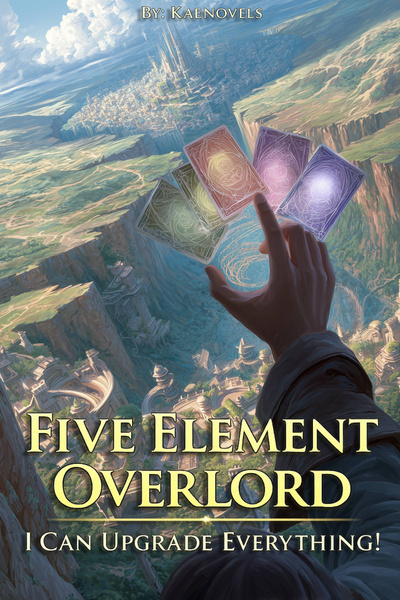
Five Element Overlord I Can Upgrade Everything sits at the intersection of two massive internet trends: Xianxia (Chinese cultivation fantasy) and LitRPG (stories with game mechanics). For the uninitiated, this means the protagonist, Li Hao, isn't just learning magic; he's seeing the world through a digital interface that lets him 'level up' his skills and items.
This is a specific kind of 'competence porn.' There is a deep, psychological itch that these stories scratch—the idea that if you just have the right data and the right 'cheat,' you can overcome any systemic disadvantage. It’s incredibly compelling for teens who often feel powerless in their own lives.
Why the 'Anti-Hero' Label Matters
In western middle-grade fantasy, the hero usually wins because they are 'good' or 'pure of heart.' In this genre, the hero wins because they are smarter, faster, and more ruthless than their enemies. Li Hao starts as a servant in the Azure Cloud Sect, and his journey is fueled by a desire to never be stepped on again.
Parents should be aware that 'Anti-Hero' in this context often translates to 'I will kill your entire family tree if you insult me.' It’s a trope of the genre, but if your kid is sensitive to cruelty or lacks the media literacy to see this as a stylized power fantasy, it might feel a bit dark.
The Reading Loop
Because these are often published as daily chapters online, the writing is designed to be addictive. Every chapter ends on a cliffhanger or a new 'upgrade' reveal. It’s the literary equivalent of just one more turn in a strategy game. If you see your kid's nose buried in their phone or Kindle for six hours straight, they've likely fallen into the 'progression loop.' It's not 'bad' reading, but it is high-fructose prose.