The "CSI: Jerusalem" vibe
Most religious programming falls into one of two buckets: overly earnest Sunday school lessons or aggressive "debunking" sessions. This series tries to find a third way by leaning into the forensic procedural. It treats the Shroud of Turin or the Gospel of Judas like a crime scene. For a teenager who grew up on true crime podcasts or police procedurals, this framing is the only reason they won't check their phone every thirty seconds.
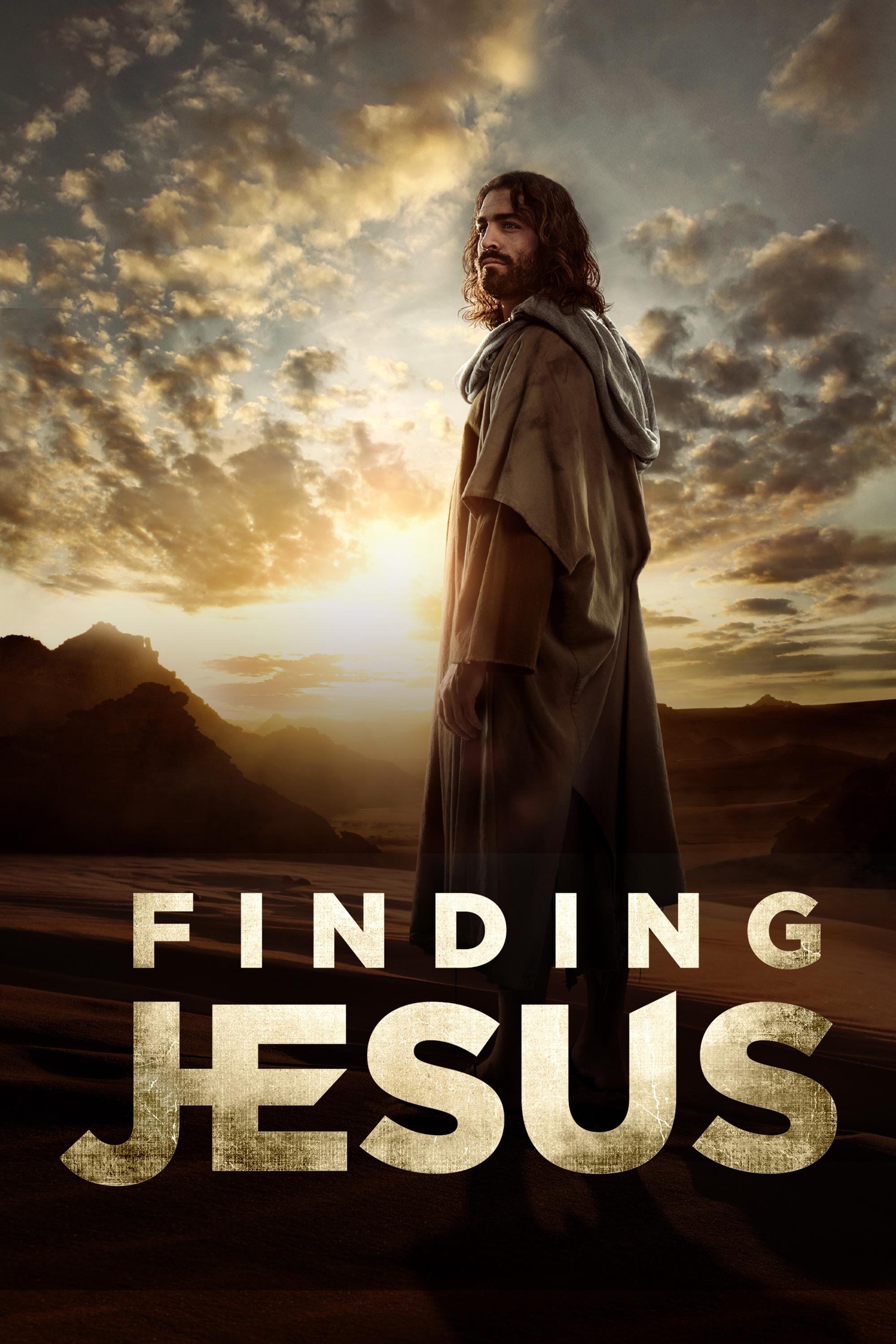
The reenactments are exactly what you’d expect from mid-2010s CNN—lots of slow-motion desert walking and dramatic lighting—but they do the job of breaking up the academic interviews. It’s less about the theology and more about the physicality of history. How do we know this piece of papyrus isn't a 19th-century fake? What does carbon dating actually tell us about a burial shroud? If you want to see how the sausage of history is made, this is a decent look at the factory floor.
Why the IMDB score is so mid
That 5.6 rating is a loud warning. Usually, a score that low for a documentary means one of two things: it’s incredibly boring, or it made a lot of people angry. Here, it’s a bit of both. The show walks a tightrope that tends to annoy everyone. People looking for a purely devotional experience might find the scientific skepticism jarring, while secular viewers might find the "Biblical" music and reverent tone a bit much.
The pacing is also a relic of 2015 cable TV. It’s designed for commercial breaks, which means there is a fair amount of "coming up next" and "as we saw before" padding that feels redundant in a streaming environment. You aren't going to binge-watch this. It’s a "one episode while eating lunch" kind of show. If you're looking for a more comprehensive breakdown of how to navigate these episodes with your family, this parent's guide to the series covers the specific artifacts in play.
The "Fact vs. Forgery" hook
The most interesting moments aren't actually the ones where they "prove" something is real; it’s when they explain why something is a fake. In an era of deepfakes and misinformation, watching experts tear apart a forgery based on ink chemistry or linguistic anachronisms is a stealthy way to teach critical thinking.
If your teen is into archaeology or history, don't pitch this as a religious show. Pitch it as a show about detective work. It’s about the struggle to find truth when the trail is 2,000 years cold. The "Judas" and "Helena" episodes are generally considered the standouts because the stakes feel higher and the "mystery" elements are more pronounced. It’s not groundbreaking television, but as a supplemental piece for a kid who just finished a history unit or expressed interest in how we know what we know about the past, it’s a solid, if slightly dusty, tool.