The "spoiled brat" to hero pipeline
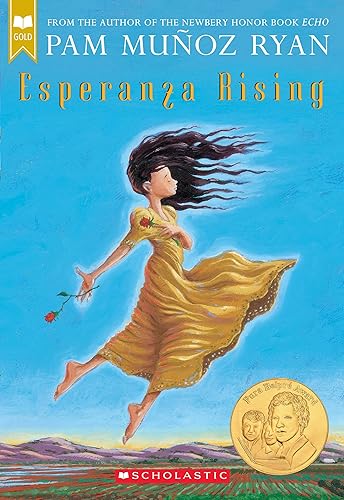
If your kid is used to protagonists who are born heroes or have immediate "main character energy," Esperanza might be a shocker at first. She starts the book as a wealthy, somewhat entitled girl who doesn't know how to sweep a floor or wash her own hair. This is exactly why the book works. Pam Muñoz Ryan doesn't make her likable right away; she makes her real.
When the tragedy at the ranch forces Esperanza and her mother to flee to California, the "rising" in the title isn't just about surviving poverty. It’s about the ego death required to actually grow up. Watching Esperanza realize that the people she used to look down on are now her only lifeline is a masterclass in character development. It’s one of the best historical fiction for kids options because it anchors the massive, abstract tragedy of the Great Depression in a very personal, very human humiliation.
Why it’s a classroom staple that actually deserves the hype
Most of us have a healthy skepticism of "required reading," but there’s a reason this is on the essential list of must-read books for 5th graders. It manages to tackle labor strikes, the deportation of legal citizens, and extreme class disparity without ever feeling like a textbook.
The friction in the story doesn't just come from the "bad guys." It comes from the tension within the camp itself. You see the conflict between workers who want to strike for better conditions and those who are too terrified of losing their jobs to join in. For a 10-year-old, this is a sophisticated introduction to how the world actually functions. It forces them to think about fairness in a way that goes beyond "who got the bigger slice of cake."
The emotional heavy lifting
I won't lie: this book is a heavy lift emotionally. Between the early death of a parent and the terrifying illness that strikes Esperanza’s mother later on, your kid is going to have questions. This is a story about what happens when the safety net disappears. If you’re looking for a way to talk about grit or social justice, our guide from princess to pioneer: a parent’s guide to 'Esperanza Rising' covers how to navigate those specific conversations.
If your kid liked Bud, Not Buddy or A Long Walk to Water
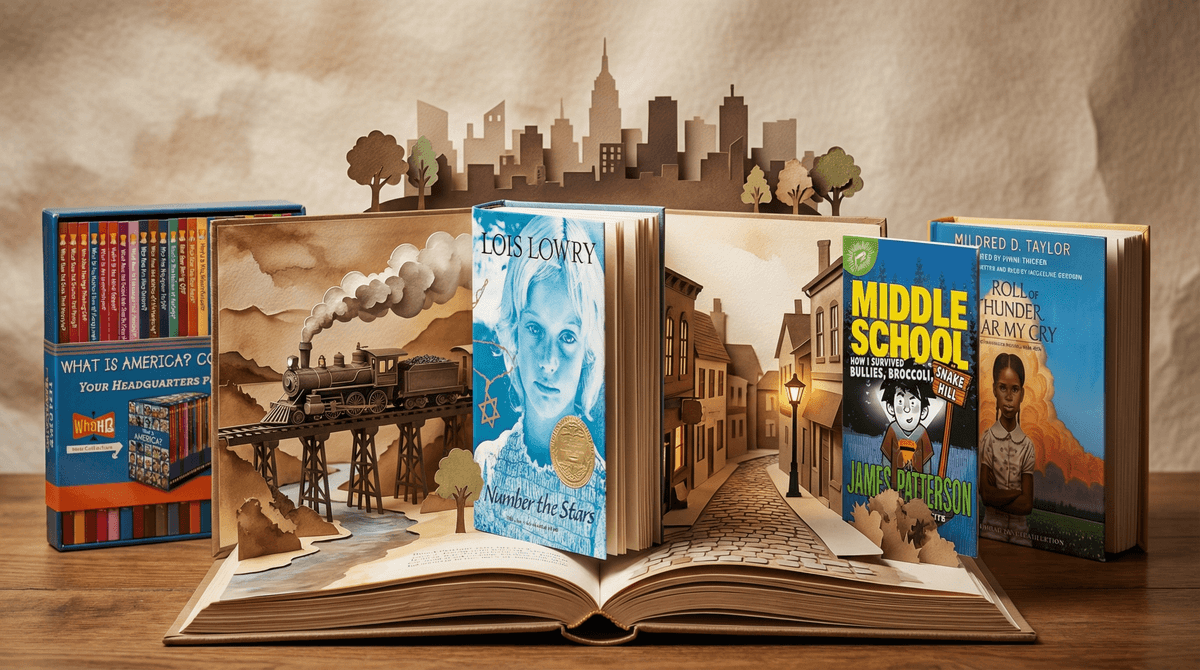
This book sits right in that "resilience fiction" sweet spot. It’s for the kid who is starting to notice that the world isn't always fair and wants to know how people survive that. It’s also a perfect pick for a kid who loved Number the Stars but is ready for a story that hits closer to home geographically.
The 25th-anniversary status of this book isn't just a marketing gimmick. The themes of migration and economic struggle are as relevant now as they were in 2002 or 1930. It’s one of those rare books that builds a bridge between a kid's personal life and the wider world without being preachy. If you want a story that sticks, this is the one.