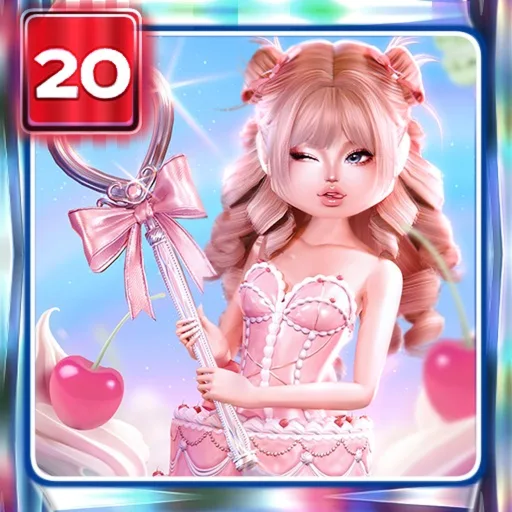

Dress to Impress turned Roblox fashion games into a legitimate cultural force by replacing slow dress-up menus with high-stakes, five-minute styling sprints. Players scramble across a dressing room floor to piece together hair, garments, and patterns for themes ranging from "Gothic Romance" to "Preppy," followed by a catwalk reveal where the server votes on the winners.
The creativity is real. Success takes actual coordination, pattern mixing, and visual speed. The friction comes from the social layer: public servers mean open text chat where players sometimes complain about rigged voting or toss out petty insults. The game also pushes VIP rooms and Robux cosmetics fairly hard, making non-paying players feel visible status pressure.
If your kid plays, private servers or turning off public text chat eliminate almost every safety annoyance while keeping the frantic styling fun intact.