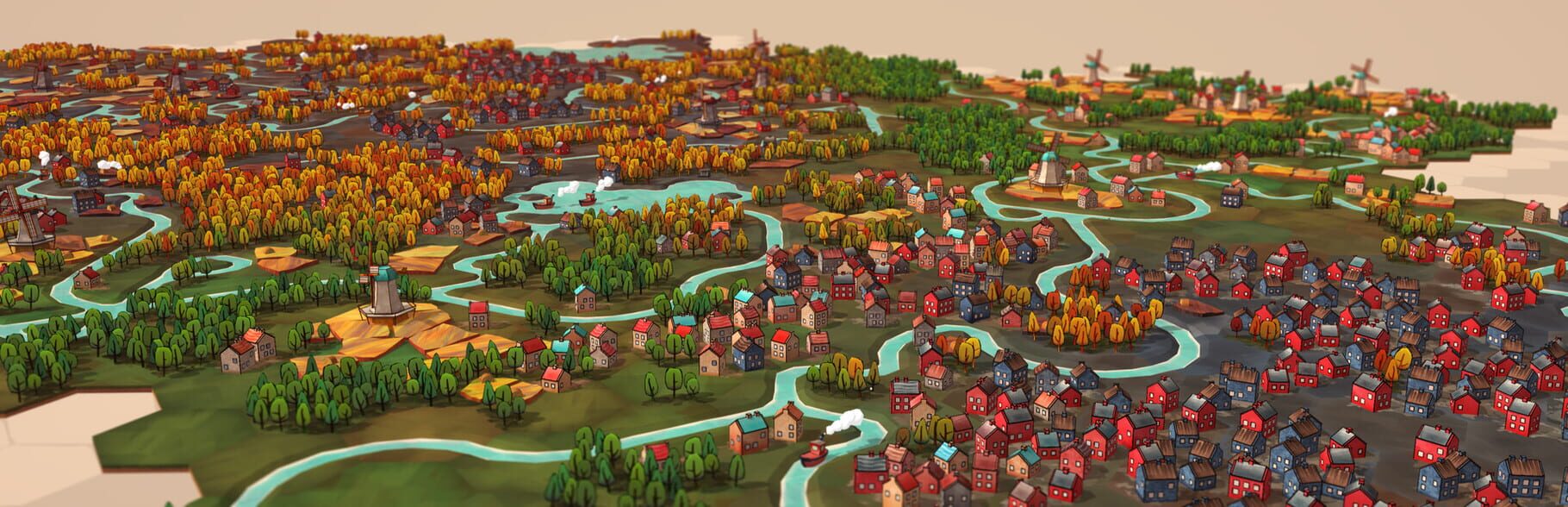
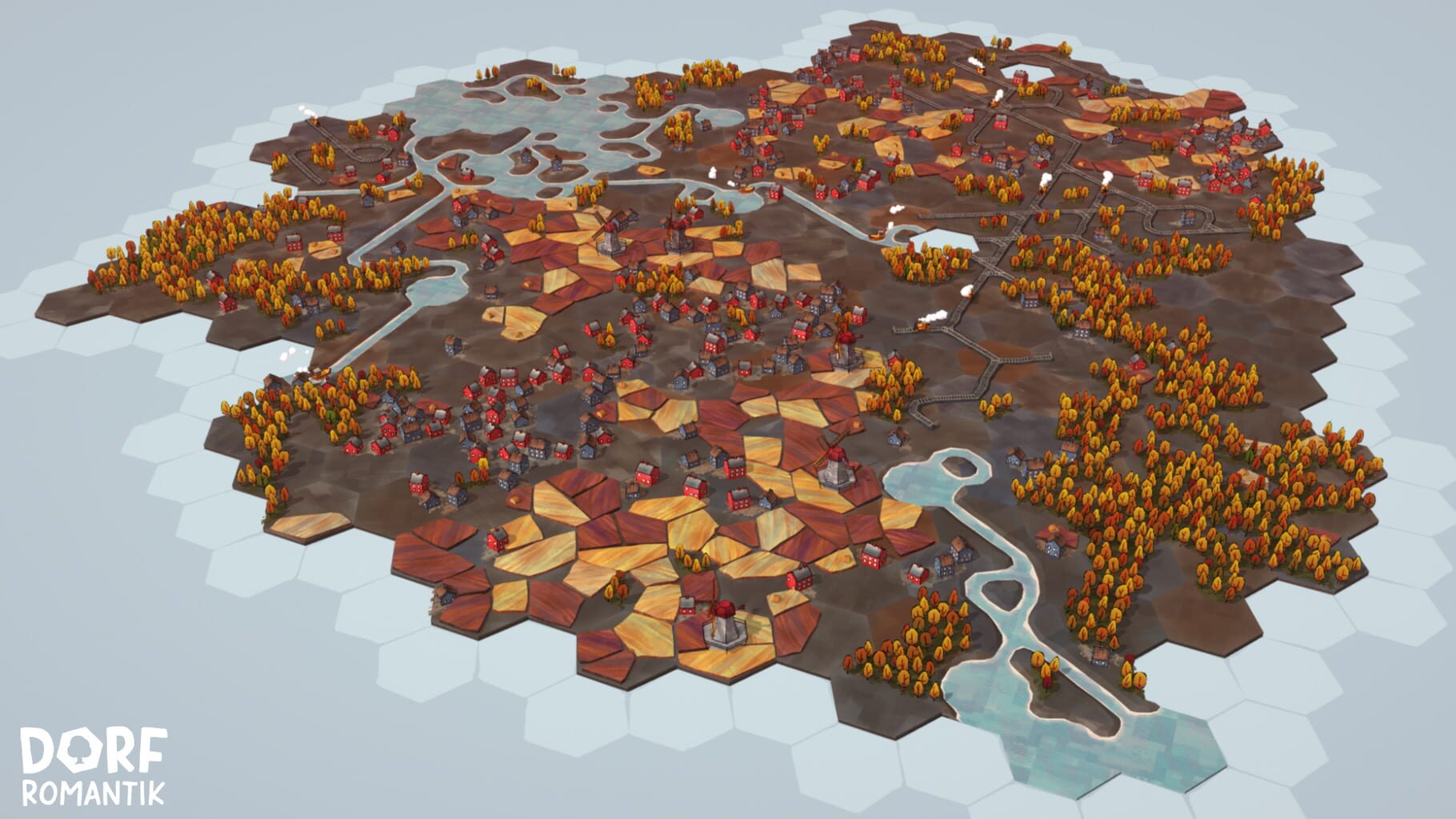
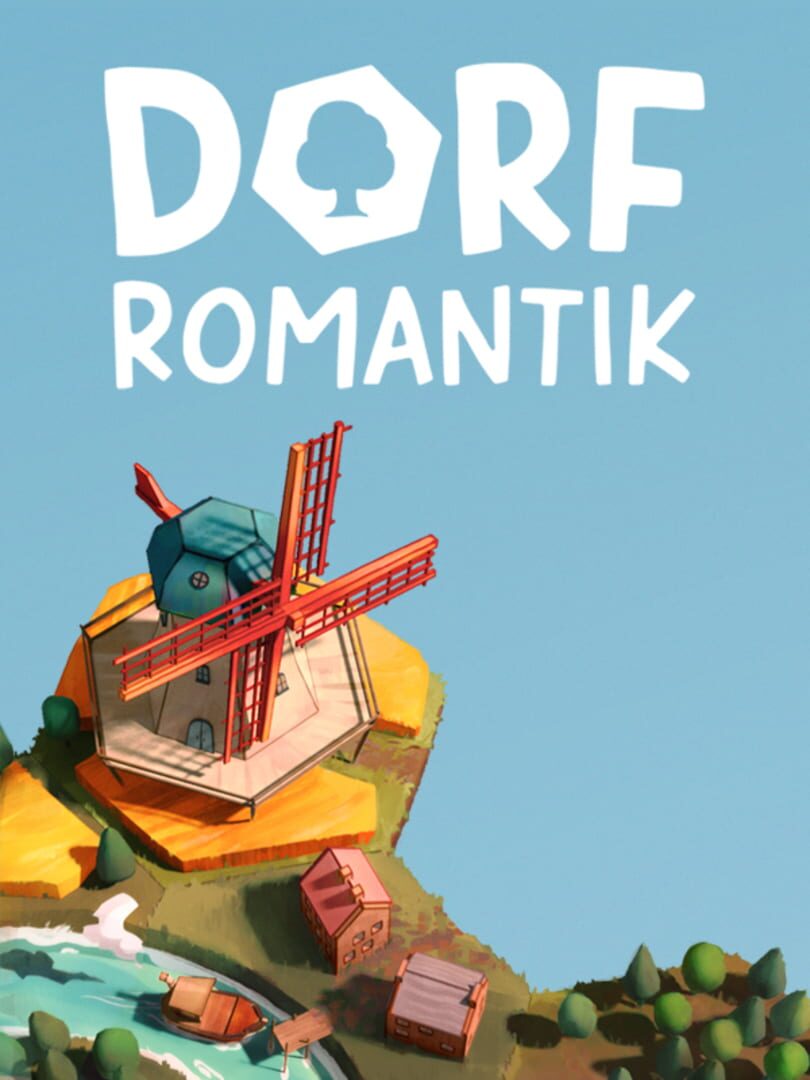
If you’ve spent any time watching your kid play modern games, you’re probably used to a certain level of sensory assault: bright colors, screaming YouTubers, and the constant "ping" of a battle pass notification. Dorfromantik is the total opposite. Developed by Toukana Interactive, it’s a game that feels like it’s exhaling. It’s a digital landscape builder where you place hexagonal tiles—forests, villages, rivers—to create a sprawling, pastoral world.
The logic of the "Flow State"
While it looks like a digital painting, there is a rigorous puzzle engine running under the hood. You start with a stack of tiles and must place them so the edges match (forest to forest, house to house). If you match all six sides perfectly, you get extra tiles. This simple loop is why we consider it one of those cozy games that actually calm kids down. It doesn’t demand fast reflexes; it demands pattern-matching.
The "friction" comes from the quests—little speech bubbles that appear over certain tiles. A village tile might ask for exactly "15+ houses." If you accidentally close off that village with a forest tile at house 14, you’ve failed the quest and lost out on more tiles for your stack. This forces kids to think three or four moves ahead. It’s a masterclass in strategy that builds executive function because it rewards those who can resist the urge to just click everywhere and instead plan for the long game.
A better kind of "One More Level"
We usually associate "addictive" gaming with dopamine-chasing and loot boxes. Dorfromantik flips that. Its "one more round" energy is much more akin to finishing a physical jigsaw puzzle. There is no "game over" screen that feels like a punishment; you just run out of tiles, look at the beautiful map you built, and decide if you want to try for a higher score next time.
If your kid has a high-energy "puzzler" brain—the type who loves LEGO or complex board games—this is a perfect fit. It’s one of those rare puzzle games that teach logical thinking without feeling like a digital worksheet. Because it’s available on everything from the Nintendo Switch to the PlayStation 5, it’s also an easy "travel game." On the Switch specifically, it’s a fantastic way to kill time on a flight without the kid getting frustrated or loud.
The "Board Game" crossover
One thing parents often miss is that Dorfromantik actually transitioned from a video game into a massive hit in the tabletop world. This is a rare trajectory. Usually, board games get digital ports; here, the digital version was so satisfying that people wanted to touch the tiles in real life.
If you find your child hyper-focusing on the digital version, it’s a very easy bridge to a family board game night. The mechanics are identical. It’s a "cooperative" experience in spirit, even when played solo, because there’s no enemy to defeat—only the landscape to complete. It turns screen time into a prelude for offline play, which is a win in any household.