The "Void" and the psychological grind
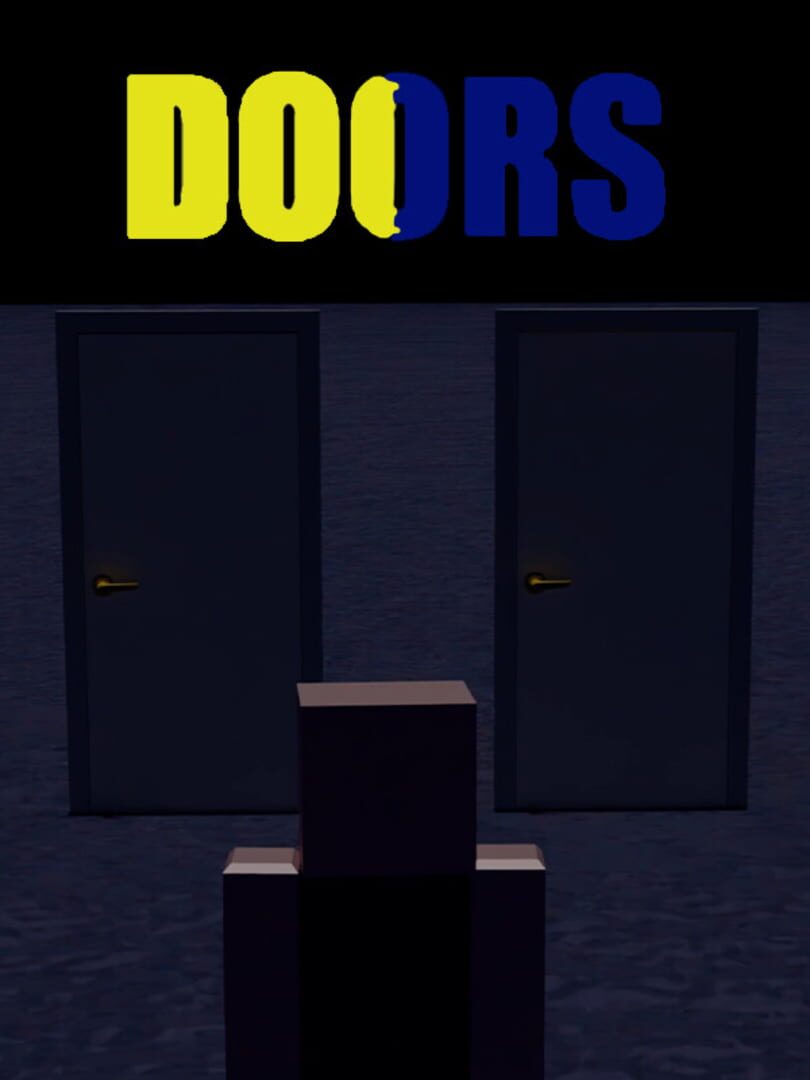
While most horror games are content to throw a screaming monster at the screen and call it a day, Doors leans heavily into existential dread. The "endless void" setting isn't just a backdrop; it’s a mechanic designed to make the player feel small and disoriented. This isn't a game about winning in the traditional sense—it's about how long you can maintain your composure while the environment actively tries to gaslight you.
For a teen, the appeal is the "delusion" narrative. It taps into that specific middle-school anxiety of not knowing what’s real or who to trust. If your kid is already deep into the world of horror games and age-appropriate scares, they’ll recognize the DNA here. It’s less about the gore and more about the "itch" of a mystery that only reveals itself through repeated, often stressful, failures.
Strategy under pressure
Labeling this as a "Strategy" game might seem odd for something with jump scares, but it’s accurate. Success in Doors requires a high level of pattern recognition. Players have to learn the specific "tells" of the void—sound cues, visual flickering, or subtle changes in the environment—to survive the next room.
This creates a high-friction loop. You will die. You will get jump-scared. You will have to start over. For some kids, this is a great lesson in digital resilience; for others, it’s a one-way ticket to a thrown controller. If you're trying to figure out if your child can handle the "startle" factor, it’s worth looking into how to handle jump scares with kids before they dive into the deeper, more psychological levels.
The "Gateway Horror" move
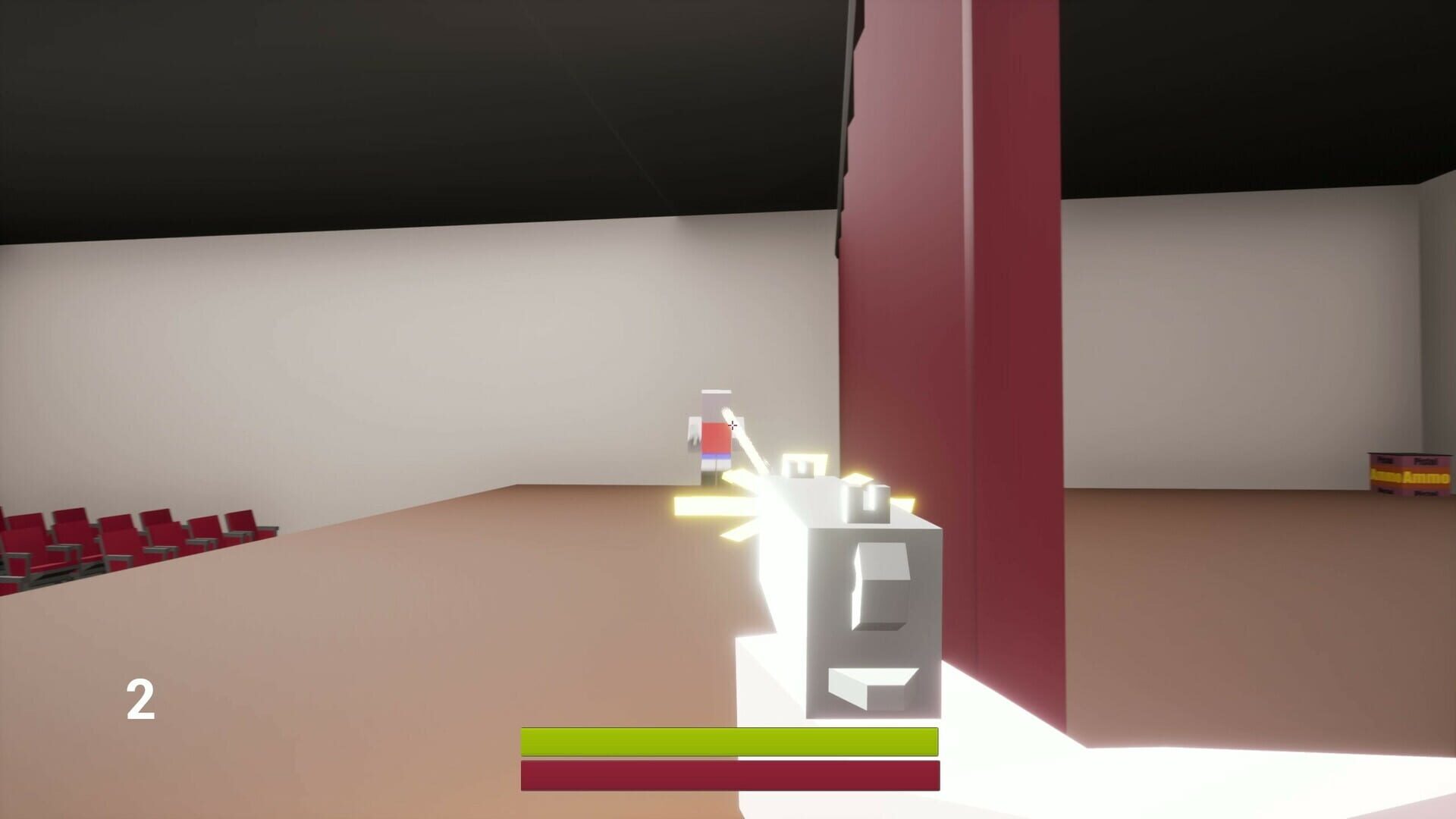
If your kid is asking for this because they saw it on a stream or heard about the Roblox version of Doors, realize that this standalone PC experience is a bit more intense. It trades the social, "we're in this together" vibe of multiplayer horror for a lonely, first-person shooter perspective that feels much more claustrophobic.
It occupies the same cultural space as Five Nights at Freddy’s or Poppy Playtime, but with a more "indie film" aesthetic. There are no colorful mascots here to soften the blow. It’s just the protagonist, their delusions, and a lot of dark hallways. If they’ve already navigated the "mascot horror" phase and are looking for something that feels more "adult" without moving into R-rated territory, this is exactly where they’re heading.
What they’ll Google later
After an hour or two in the void, your teen is going to be searching for "Doors ending explained" or "is the protagonist actually dead?" The game doesn't hand out answers. It’s a narrative puzzle that requires them to piece together clues from the environment. This is the "Enriching" part of the score—it rewards players who pay attention to the story rather than just those with the fastest trigger finger. It’s a "thinker’s" horror game, provided they can stay in their seat long enough to think.