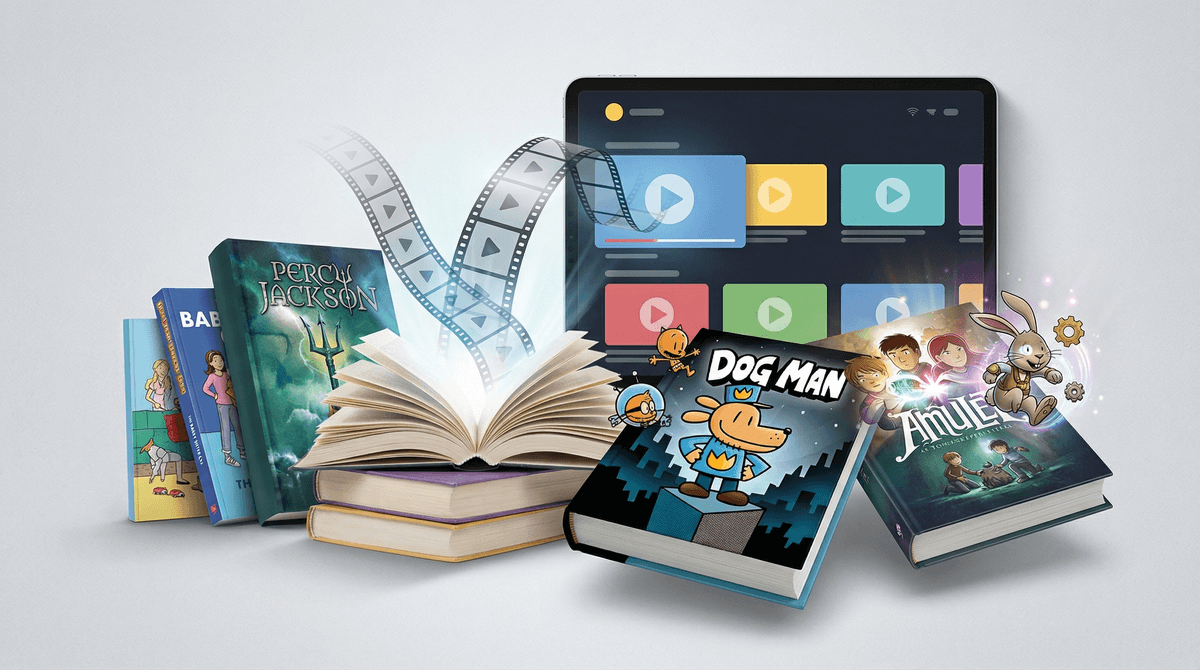
The Meta-Narrative Magic
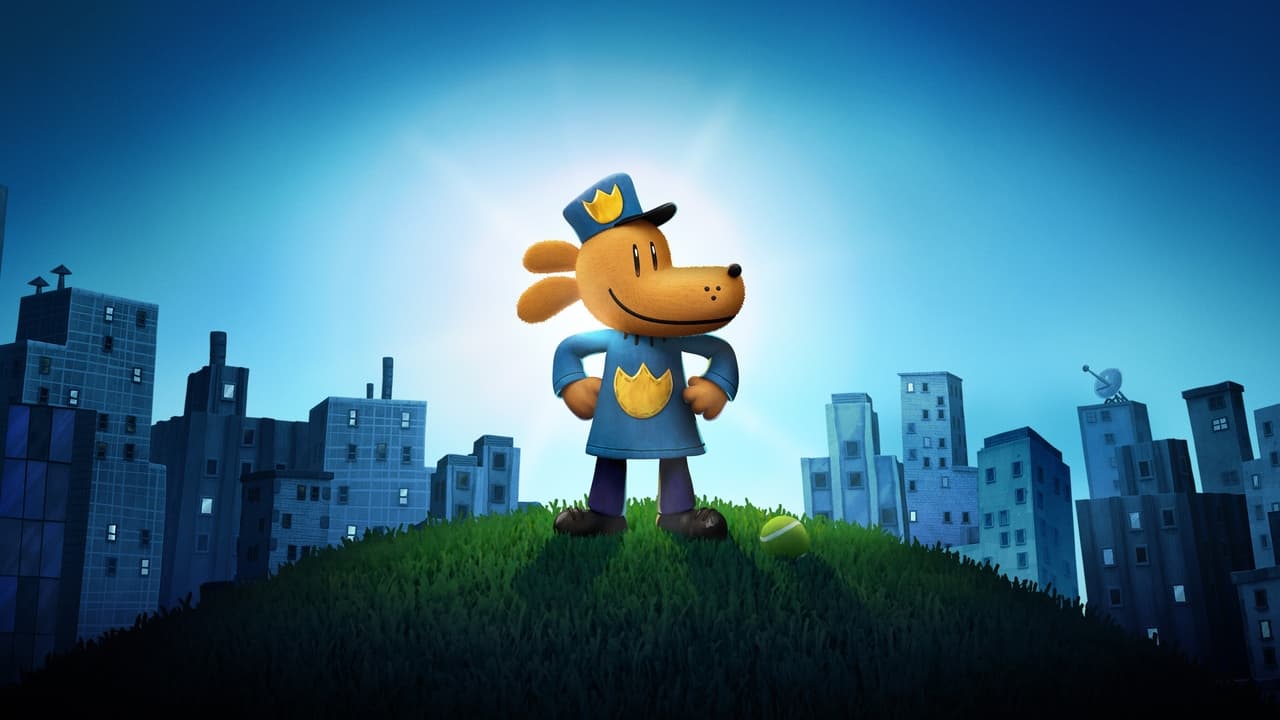
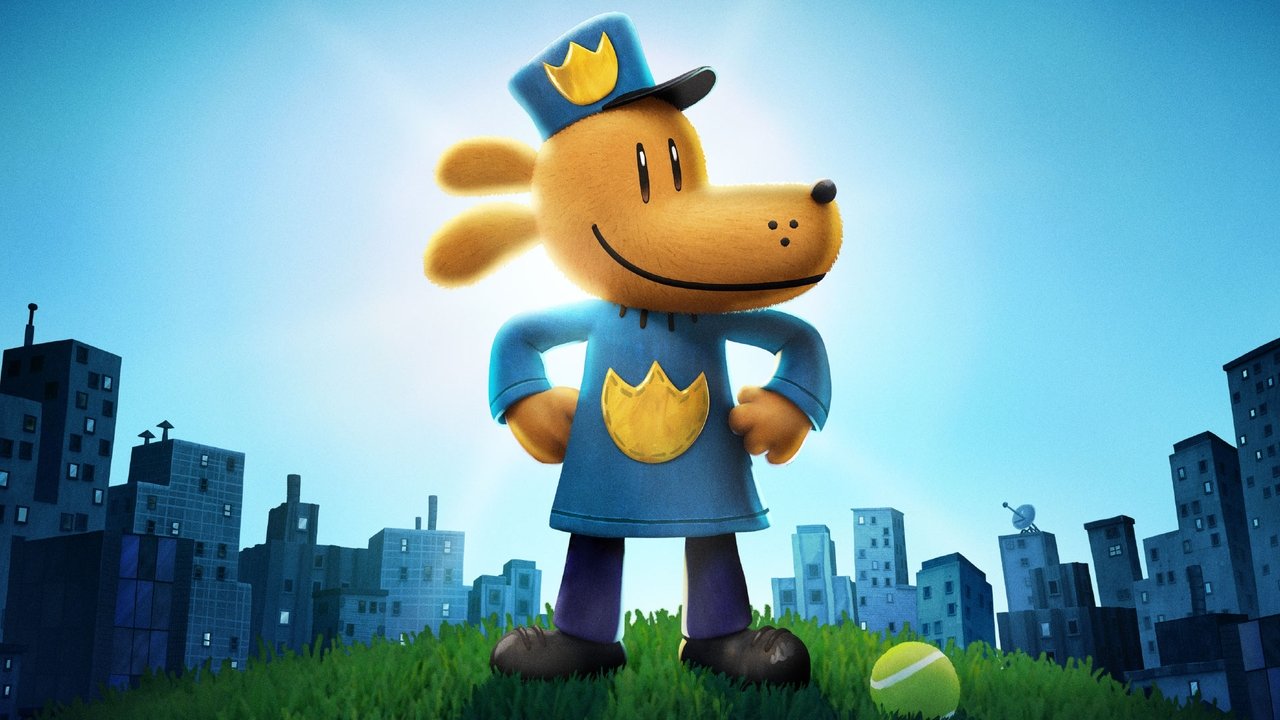
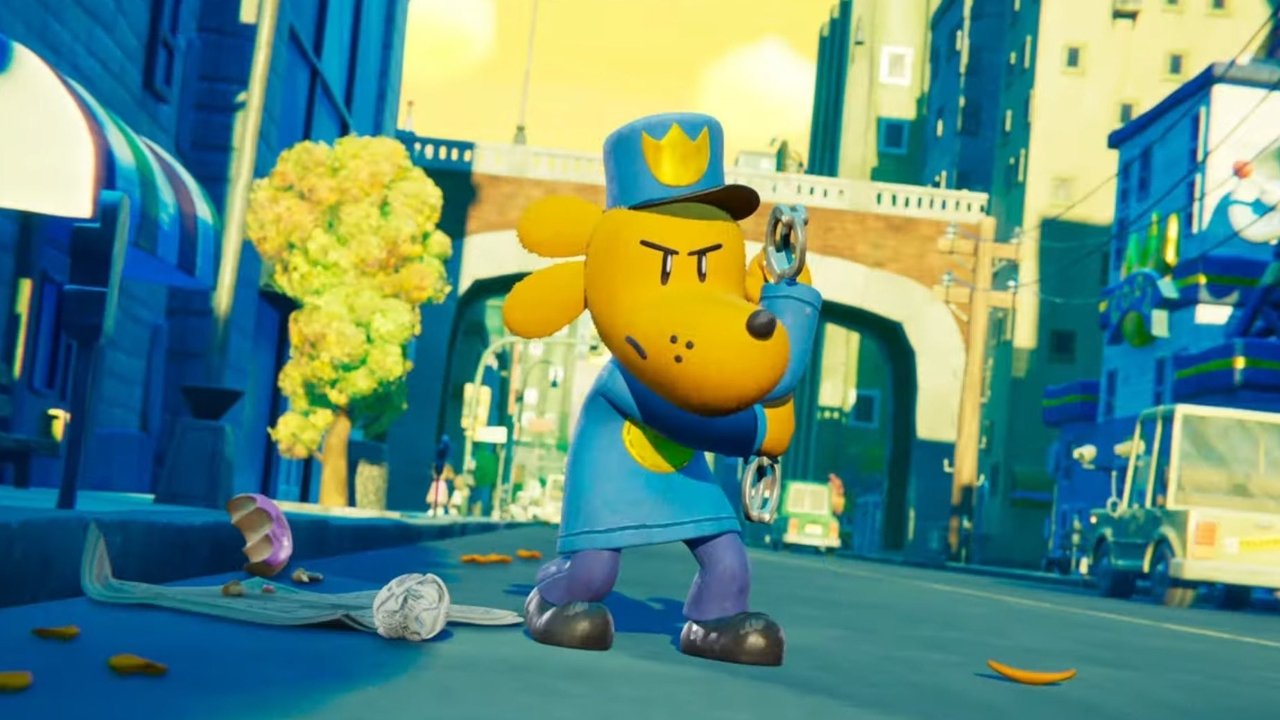
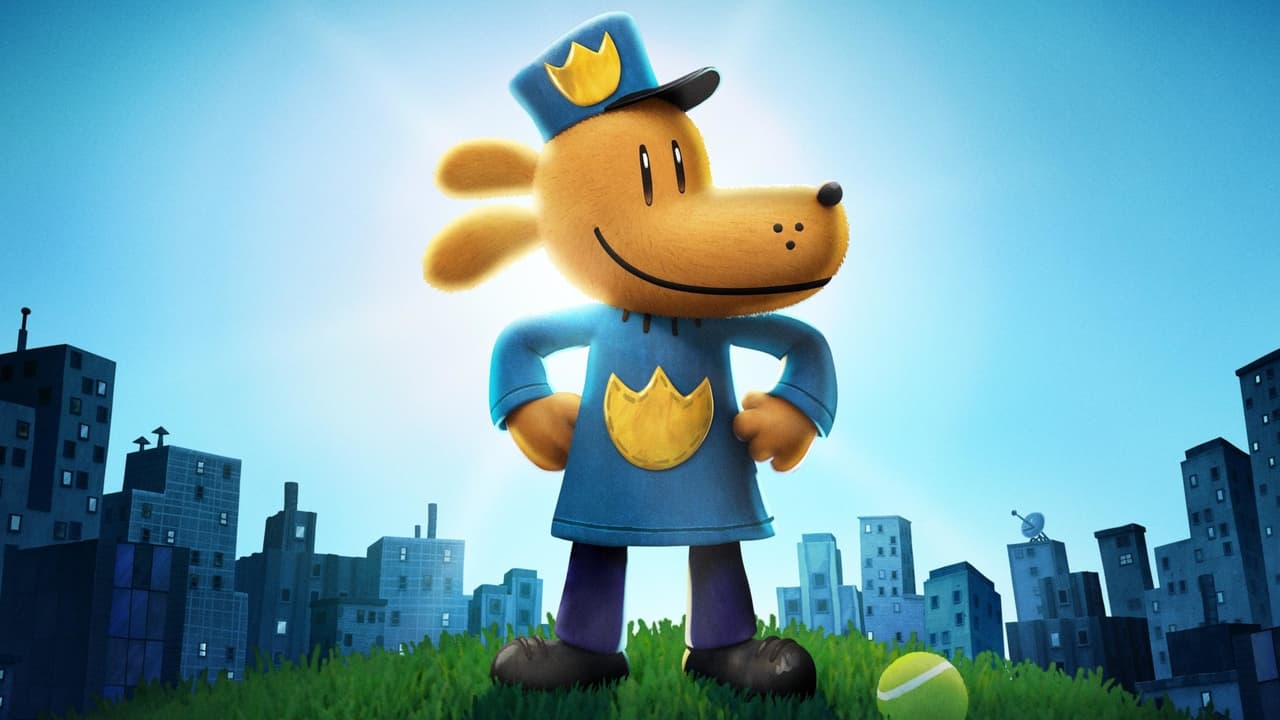
If your kid has spent the last three years with their nose buried in a graphic novel, you already know the vibe. This isn't a polished, sterile corporate production. It leans hard into the "created by kids" aesthetic that made the books a playground staple. The animation mimics that scratchy, hand-drawn energy, which serves a specific purpose: it makes storytelling feel accessible.
Most kids’ media feels like it was handed down from a mountain by a thousand animators. This feels like something your kid could do with a pack of markers and a stack of printer paper. It’s the ultimate way to bridge the gap between reading time and screen time, especially for kids who usually find "educational" content a total chore. It doesn't lecture; it just invites them to join the club.
The Redemption of a Cartoon Villain
While the title says Dog Man, the real heavy lifting happens with Petey the Cat. In a world of flat, one-dimensional villains, Petey’s arc is surprisingly nuanced. We’re talking about a character who starts as a standard-issue antagonist and evolves into someone grappling with his own legacy and the responsibility of being a father figure to Li'l Petey.
The show handles the "nature vs. nurture" conversation better than most prestige dramas. When Petey tries to be "good" despite his instincts, it gives parents a perfect opening to talk about choices versus circumstances. It’s the kind of character growth that sticks because it’s earned through failures and slapstick, not just a sudden third-act change of heart. If your kid is sensitive to "mean" characters, the growth here provides the necessary payoff.
Navigating the Gross-Out Factor
Let’s be real: there are going to be fart jokes. There will be "stupid" humor. If you’re the type of parent who wants every screen minute to be a lesson in Latin or high ethics, this will probably grate on your nerves within ten minutes. But there’s a difference between "brain rot" and absurdism.
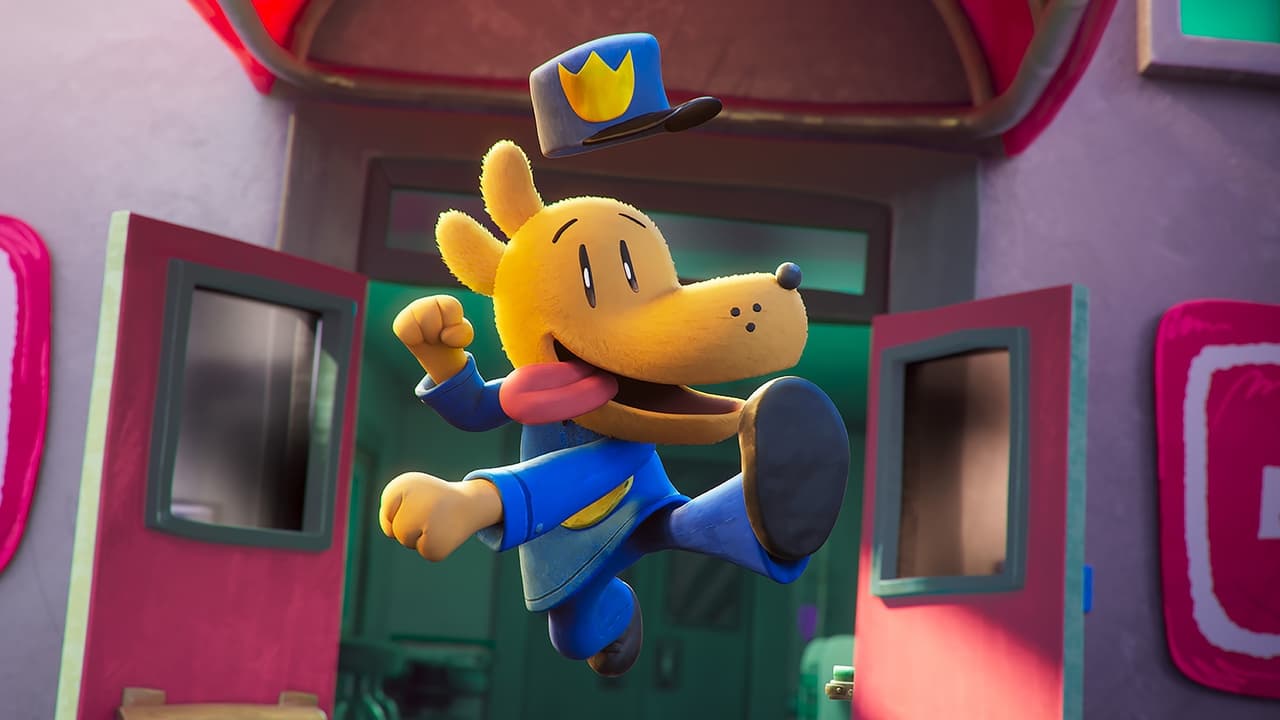
The humor here is fast, high-energy, and deeply silly, but it’s rarely mean-spirited. Critics and parents alike have noted that while the characters can be "fourth-grade mean" to each other, the core of the show is about loyalty and doing the right thing—even if you’re a cop with a dog’s head who occasionally gets distracted by a squirrel.
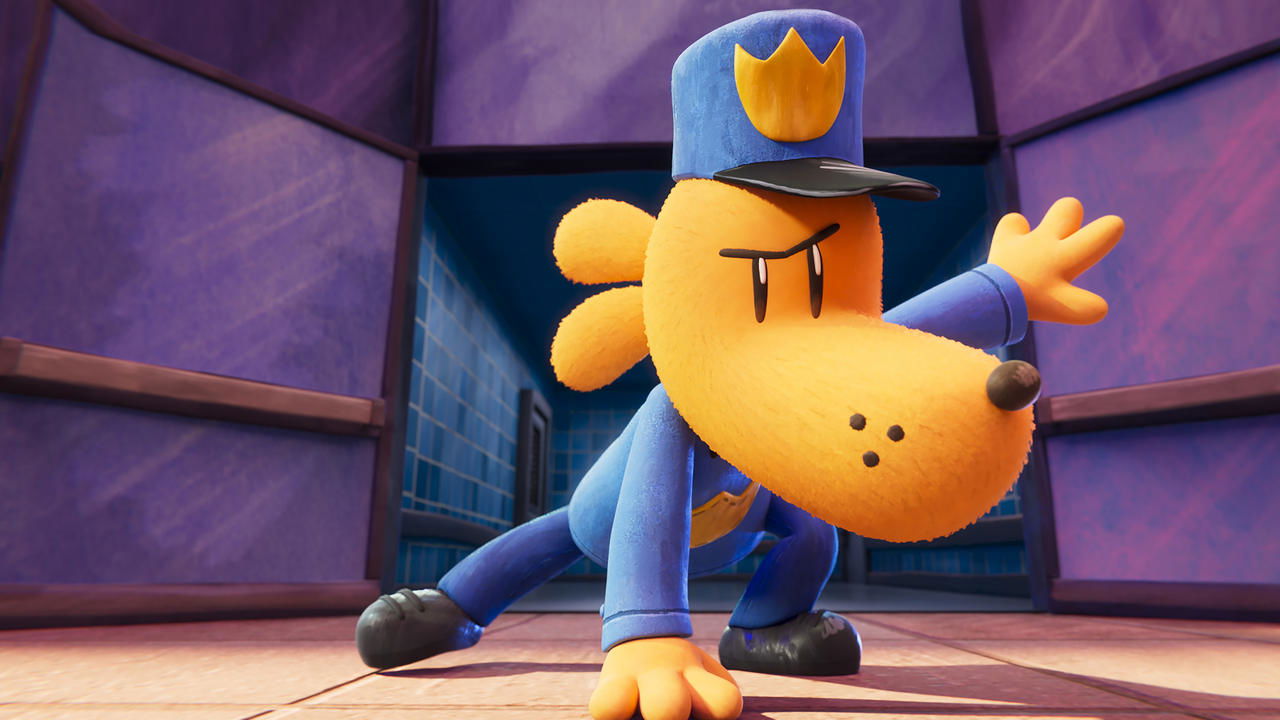
The pacing is the only real "watch out." It moves at a clip that might be overstimulating for the preschool set. But for the 6-to-11 crowd who are used to the frantic energy of modern animation, it’s exactly the right frequency. It meets them where they are, speaks their language, and manages to sneak in some genuine heart between the puns and the giant robots.