
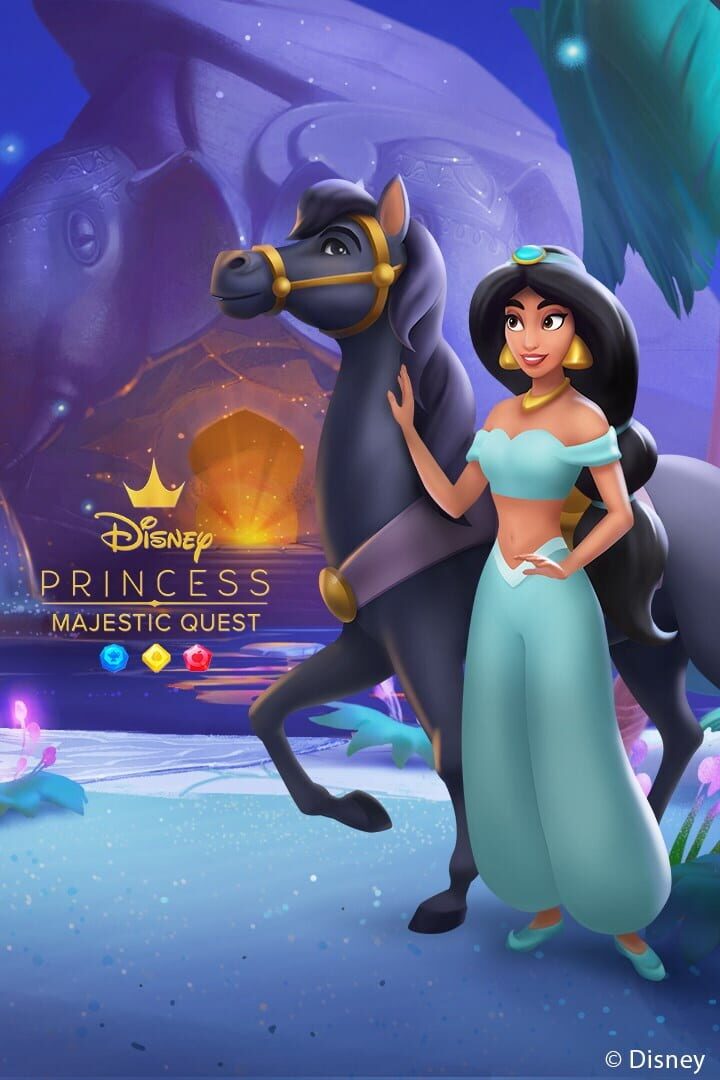
The Gameloft blueprint
If you’ve played any mobile game in the last decade, you know exactly what this is. Gameloft is the studio behind some of the most polished-looking licensed games on the app store, and they didn't reinvent the wheel here. They took the standard match-3 formula—think Bejeweled or Candy Crush—and draped it in the high-production-value aesthetics of Arendelle.
The graphics are crisp, and the animations for Elsa and Anna feel authentic to the films, which is the primary reason a six-year-old will stay glued to it. But under that Disney coat of paint, the mechanics are purely functional. You aren't exploring a world so much as you are clicking through a series of menus to earn snowflakes, which act as the gatekeeper for every single decoration choice you want to make.
Why the 'decoration' hook works
The real game isn't the puzzles; it’s the castle. For the target demographic, the match-3 levels are just a chore they have to complete to unlock a new rug or a different chandelier for the Great Hall. This "fixer-upper" loop is incredibly effective at creating a sense of ownership.
When your kid finally earns enough snowflakes to pick between three different throne designs, they feel like they’re actually running the kingdom. It’s a digital dollhouse with a paywall, and that’s where the friction starts. The puzzles start easy, but they eventually hit a wall where "skill" isn't enough, and the game starts nudging the player toward power-ups or extra moves that cost real money. If your child is the type to get frustrated when a level feels "unfair," be ready for the inevitable request to buy a bundle of gems to get past a tricky board.
Navigating the princess genre
This game occupies a specific niche in the broader world of princess-themed mobile and tablet games. It’s safer and more "prestige" than the flood of knock-off dress-up apps you’ll find on the Play Store, but it’s also more aggressive with its economy.
If your kid is obsessed with the Frozen lore, they’ll appreciate the cameos from Kristoff and Oaken. However, if they just want to play with the characters without the constant pressure to "win" more currency, you might find that this game feels more like a job than a play session. It’s a great "waiting room" game—something they can poke at for ten minutes while you’re at the dentist—but it lacks the creative depth of a true sandbox.
The best way to think about Majestic Quest is as a glorified sticker book. It looks great on the shelf, it’s fun to fill in the blanks, but once the stickers (or snowflakes) run out, the fun stops abruptly unless you're willing to open your wallet.