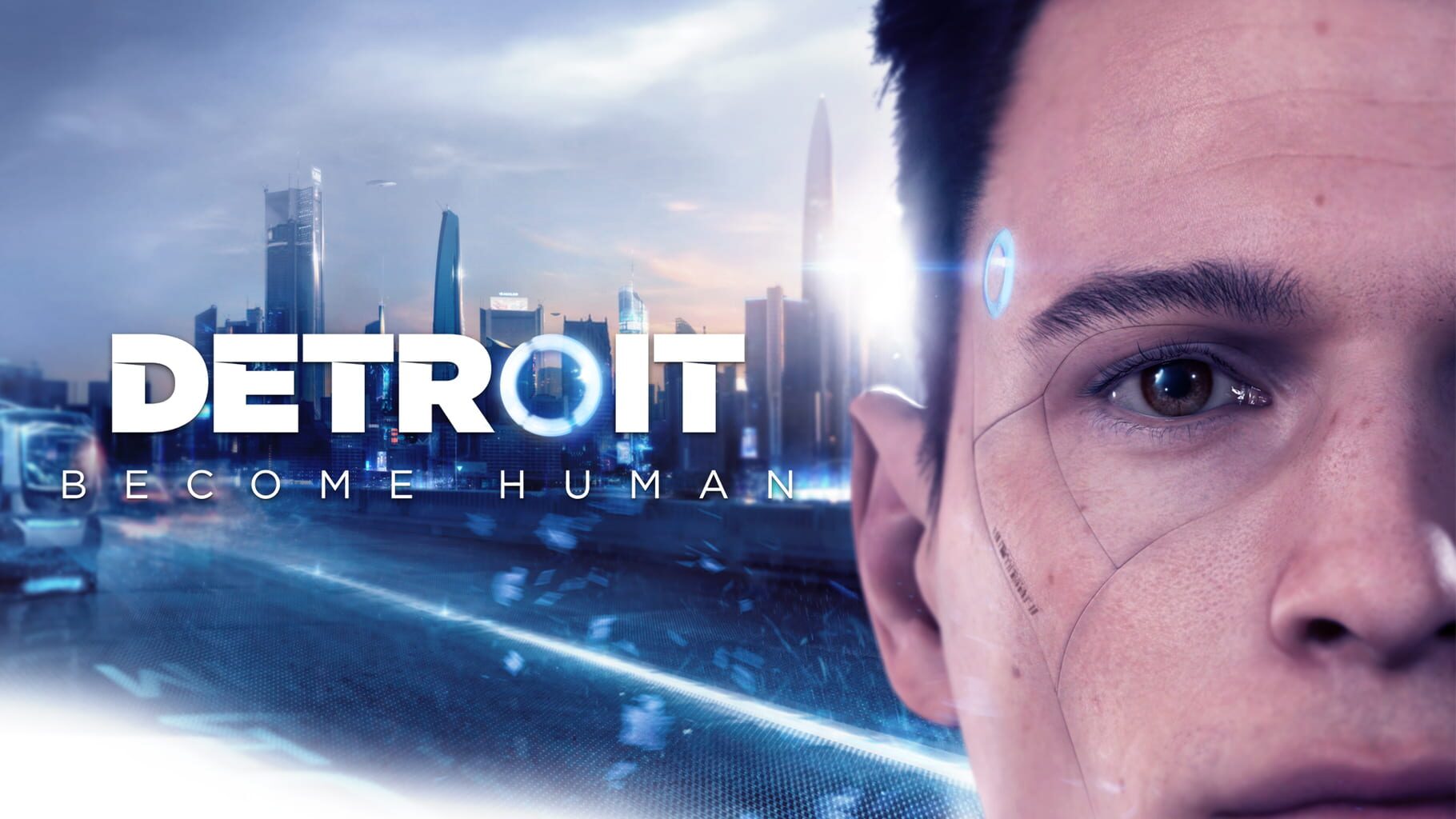
In 2026, we’re living through the AI revolution the developers at Quantic Dream were only guessing at back in 2018. While some of the game's metaphors for civil rights are about as subtle as a brick to the face, the core question—what happens when the "app" on your phone starts asking for a seat at the table—has never felt more relevant.
The flowchart is the star
Most "choice-based" games are a bit of a scam. You pick Option A or Option B, but the game funnels you back to the same ending anyway. Detroit: Become Human is the rare exception that actually keeps its promises. At the end of every chapter, you’re shown a massive, branching flowchart of every possible path you could have taken.
Seeing those empty gray boxes is a brilliant psychological trick. It turns a one-off playthrough into a completionist obsession. If your teen is the type who constantly asks "what if?" or restarts a level because they didn't like a specific dialogue outcome, this is their Everest. It’s basically the ultimate evolution of interactive fiction and choose-your-own-adventure books, scaled up with Hollywood-grade motion capture.
The "Connor" effect vs. the "Kara" trauma
The game follows three protagonists, and they offer wildly different experiences.
- Connor is the fan favorite. He’s an android detective hunting "deviants." His sections play like a high-tech episode of CSI, and they're genuinely fun.
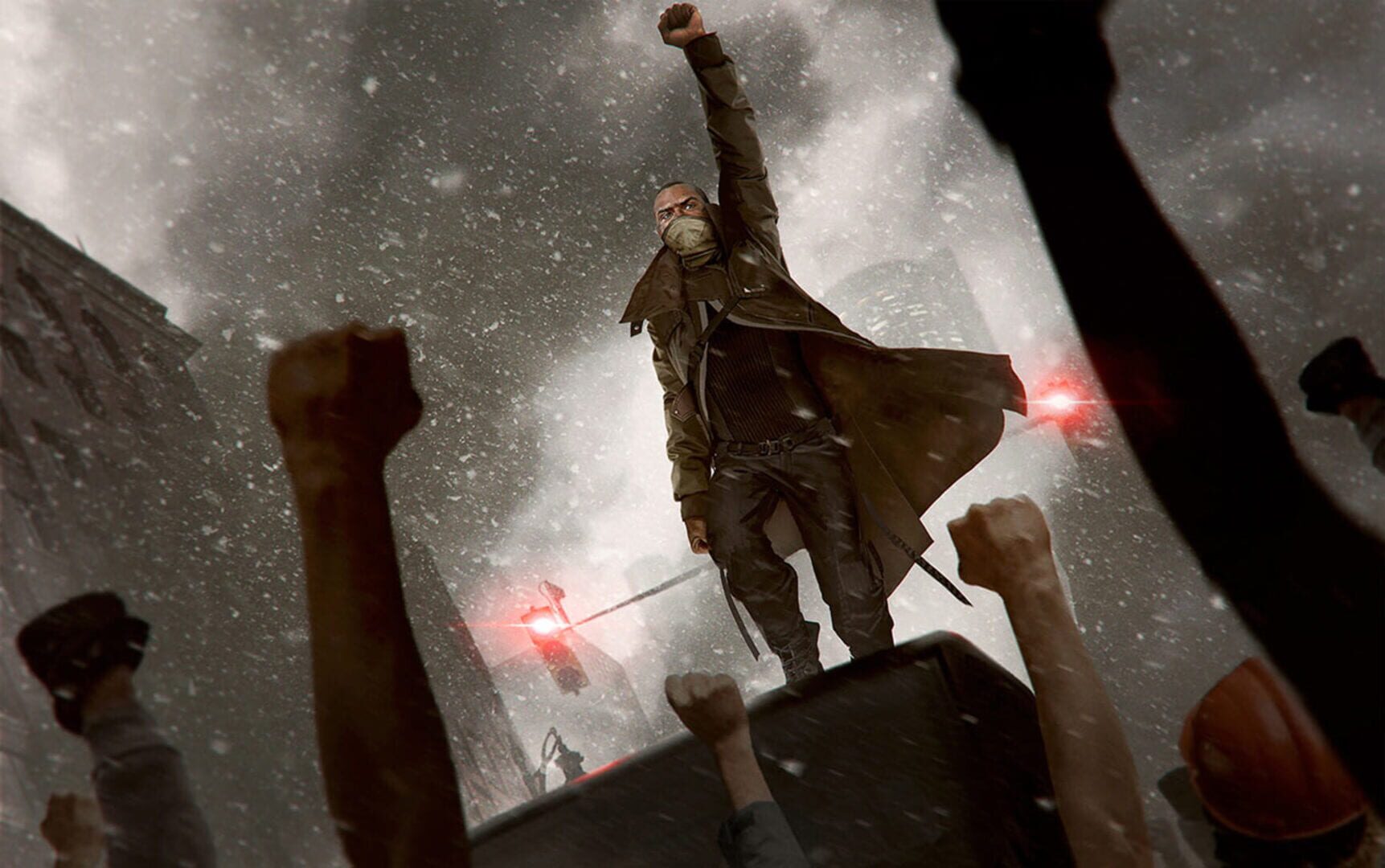
- Markus handles the "big picture" revolution. It’s heavy on philosophy and social commentary.
- Kara is where the friction lives. Her story involves protecting a young girl from an abusive, drug-addicted father.
That Kara storyline is the reason for the hard 17+ stance. It isn't just a background detail; you are actively participating in these scenes. You’re making split-second decisions while a child is being screamed at or hit. It’s suffocating. If you’re considering this for a younger teen who is "mature for their age," you need to know that the game doesn't just ask them to think about morality—it asks them to simulate a domestic nightmare.
Why it’s worth the heavy lifting
If you can get past the sometimes clunky dialogue, the game is a masterclass in morality and ethics in gaming. It forces you to choose between your own survival and the "greater good" in ways that don't have a right answer.
It’s an excellent bridge for kids who have outgrown the "good vs. evil" simplicity of younger titles but aren't quite ready for the nihilism of something like Cyberpunk 2077. Because the game is essentially a series of high-stakes conversations and quick-time events, it's also a great "spectator game." You can sit on the couch while they play and actually have something to talk about when the credits roll. Just be prepared for the fact that navigating emotional storylines in video games this intense requires some decompression time afterward. It’s a lot to process, but for the right kid, it’s a landmark experience.