The "Social Deduction" Evolution
If your teen spent 2020 obsessed with Among Us, this is the natural, much more intense evolution of that interest. While Among Us is a breezy party game, this is a heavy, narrative-driven pressure cooker. It takes the "there is an imposter among us" premise and traps a cast of distinct personalities in a school where the only way to leave is to kill a classmate and get away with it.
The hook isn't just the mystery; it’s the social betrayal. You spend "Free Time" segments befriending characters, learning their backstories, and giving them gifts, only to potentially find their body in the next chapter. It’s a cycle of investment and loss that makes the courtroom segments feel personal rather than academic. For a deeper look at how these themes play out, check out our parent’s guide to Danganronpa: Pink Blood, Murder Trials, and Why Your Teen Is Hooked.
Logic Under Pressure
The gameplay isn't just clicking through dialogue. The "Class Trials" are frantic. You aren't just selecting a piece of evidence from a menu; you are literally aiming a "Truth Bullet" at scrolling text to "break" a lie in real-time. It requires a high level of reading comprehension and the ability to spot contradictions in logic while the game tries to distract you with music and moving targets.
This is where the game earns its IGDB score of 81. It’s challenging. If a player isn't paying attention to the details during the investigation phase, they will hit a wall during the trial. It rewards the kind of kid who likes to "solve" a movie before the ending.
The Aesthetic Friction
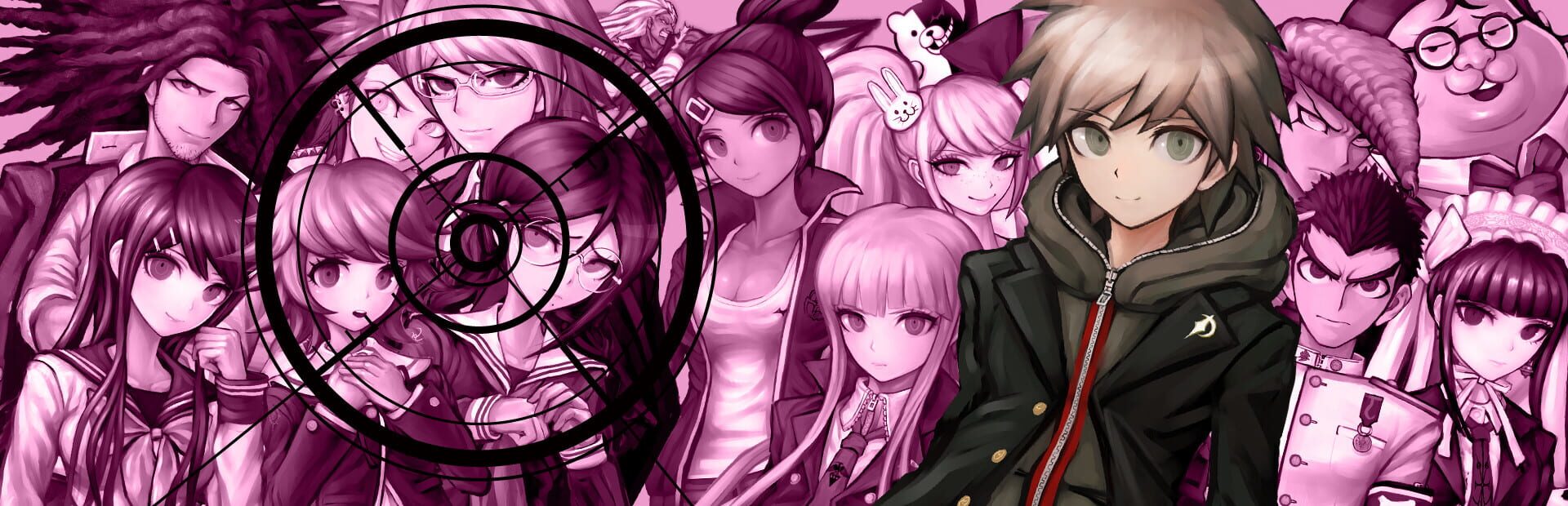
There is a specific visual style here that can be confusing for parents. The blood is neon pink. The characters are 2D standees in a 3D world. There is a cutesy, robotic bear mascot who acts as the primary antagonist. This isn't a lack of budget; it’s a deliberate choice to create a "psycho-pop" vibe.
The pink blood was originally a way to get past censors, but it ended up becoming the franchise's trademark. It creates a surreal distance from the violence, but don't let the color fool you. The executions that happen at the end of each trial are stylized, but they are psychologically brutal and creative. The game wants the player to feel the weight of the "despair" it constantly talks about.
Who This Is For
If your kid is into the "Death Game" subgenre—think Battle Royale or Squid Game—they are the target audience. It’s also a great fit for fans of the Ace Attorney series who want something with a much darker, more cynical edge.
The friction usually comes from the "fan service" elements. Like many visual novels from this era, there are occasional cringe-worthy jokes or suggestive camera angles that feel out of place given the life-or-death stakes. It’s rarely the main focus, but it’s the "mid" part of an otherwise stellar mystery. If you’re okay with your teen navigating those tropes, the core logic puzzles and the overarching "whodunnit" are some of the best in the genre.