The "Adult" label isn't a suggestion
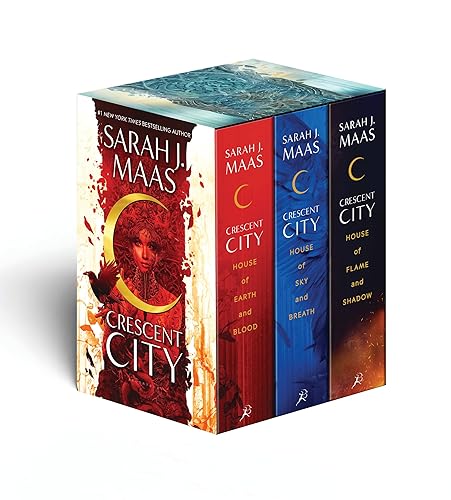
If your teen has spent any time on the reading side of social media, they’ve seen these covers. Sarah J. Maas is the undisputed heavyweight champion of the "romantasy" genre, and this series is her first work written specifically for the adult market. While her earlier series started in the Young Adult (YA) category, Crescent City is unapologetic about its maturity.
The most important thing to understand is the shift in setting. Unlike the medieval, sword-and-sorcery vibes of her other hits, this is urban fantasy. We’re talking about a world with cell phones, nightclubs, video games, and heavy-duty firearms. Because the world feels more like ours, the "adult" elements—like the casual drug use (referred to as "synth") and the gritty, modern-style partying—feel much more grounded and visceral than they do in a high-fantasy tavern.
Why the "Throne of Glass" fans are circling
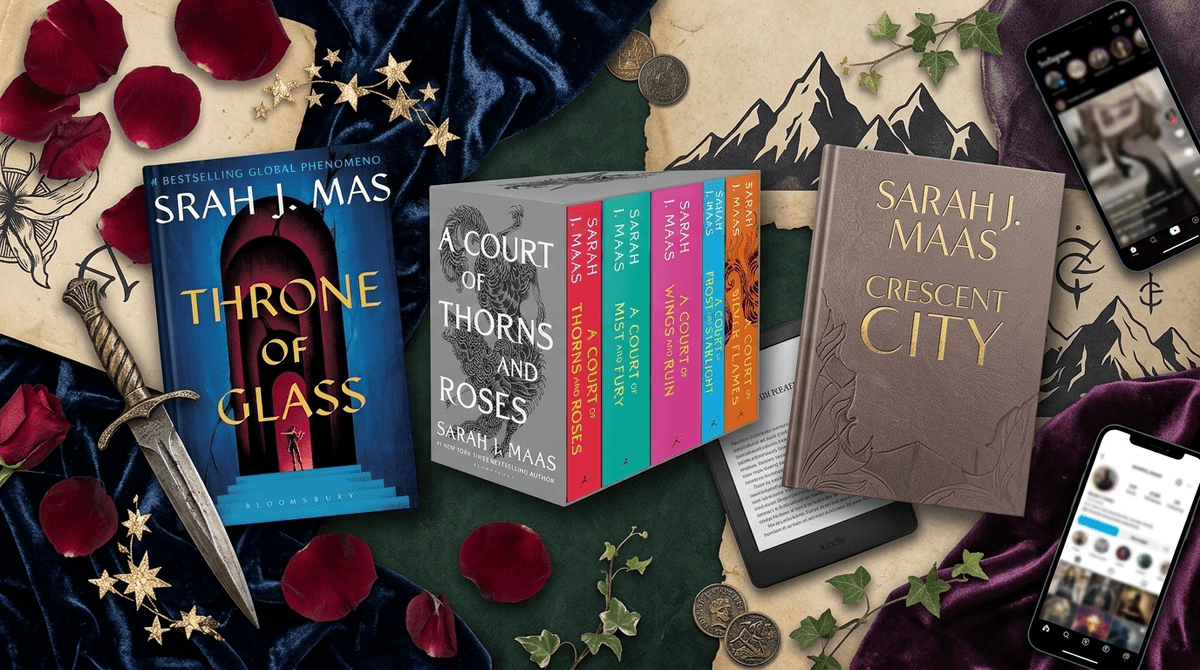
Many readers find their way to this series after finishing Throne of Glass. It’s a natural progression, but it’s a steep one. If you’re trying to understand the ACOTAR and the romantasy wave, think of Crescent City as the graduate-level course. It’s denser, the world-building is significantly more complex, and the "spice" is dialed up.
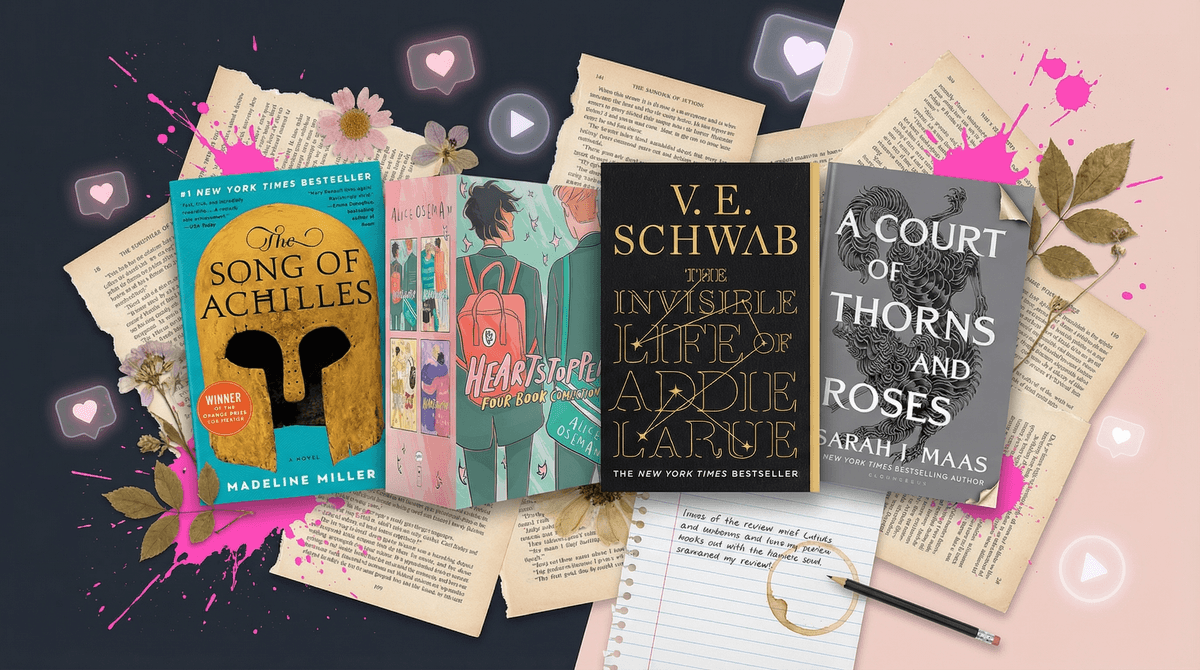
If your teen is obsessed with the viral trends they see on TikTok, they’re likely looking for the specific tropes Maas is famous for: the "grumpy-versus-sunshine" romance, the "found family" dynamics, and the high-stakes mystery. You can get a better handle on these themes in our guide to deciphering "spice" and BookTok tropes.
The 800-page hurdle
These books are massive. We aren't talking about a light weekend read; each installment is a brick. For a certain type of reader, that’s a feature, not a bug. The mystery at the heart of the first book—a "whodunnit" involving a brutal demon murder—is genuinely compelling and keeps the momentum from stalling.
However, the sheer volume of "lore" can be a friction point. The first 200 pages of the first book are notorious for "info-dumping," where the author explains the complex hierarchy of angels, fae, and humans. It’s a lot to track. If your kid isn’t a seasoned fantasy reader who enjoys mapping out political hierarchies, they might find the start sloggy before the action actually kicks in.
Is it worth the hype?
For the right audience, yes. Maas is a bestseller for a reason: she knows how to nail an emotional payoff. The friendship between the protagonist, Bryce, and her fallen-angel partner, Hunt, is built on shared trauma and genuine character growth. It’s more than just a romance; it’s a deep dive into how people (and magical beings) survive grief.
If you’re trying to figure out if this fits on your teen's shelf alongside other BookTok books for teens, the answer is likely "not yet" unless they are in their late teens. The series is a high-quality, addictive ride, but it’s one that’s best enjoyed when the reader is old enough to handle the explicit content without the "shock" factor distracting from the story.