Crazy Machines

Crazy Machines

game

2005, Puzzle, Strategy

WISE
68%

WISE Score

63%

IGDB

Rube Goldberg physics puzzles with basketballs and candles—charming concept, but 2005 is showing its age.

Screenwise Verdict

Crazy Machines is a perfectly fine physics puzzler with zero predatory design—no ads, no chat, no loot boxes. It teaches cause-and-effect thinking and rewards experimentation.

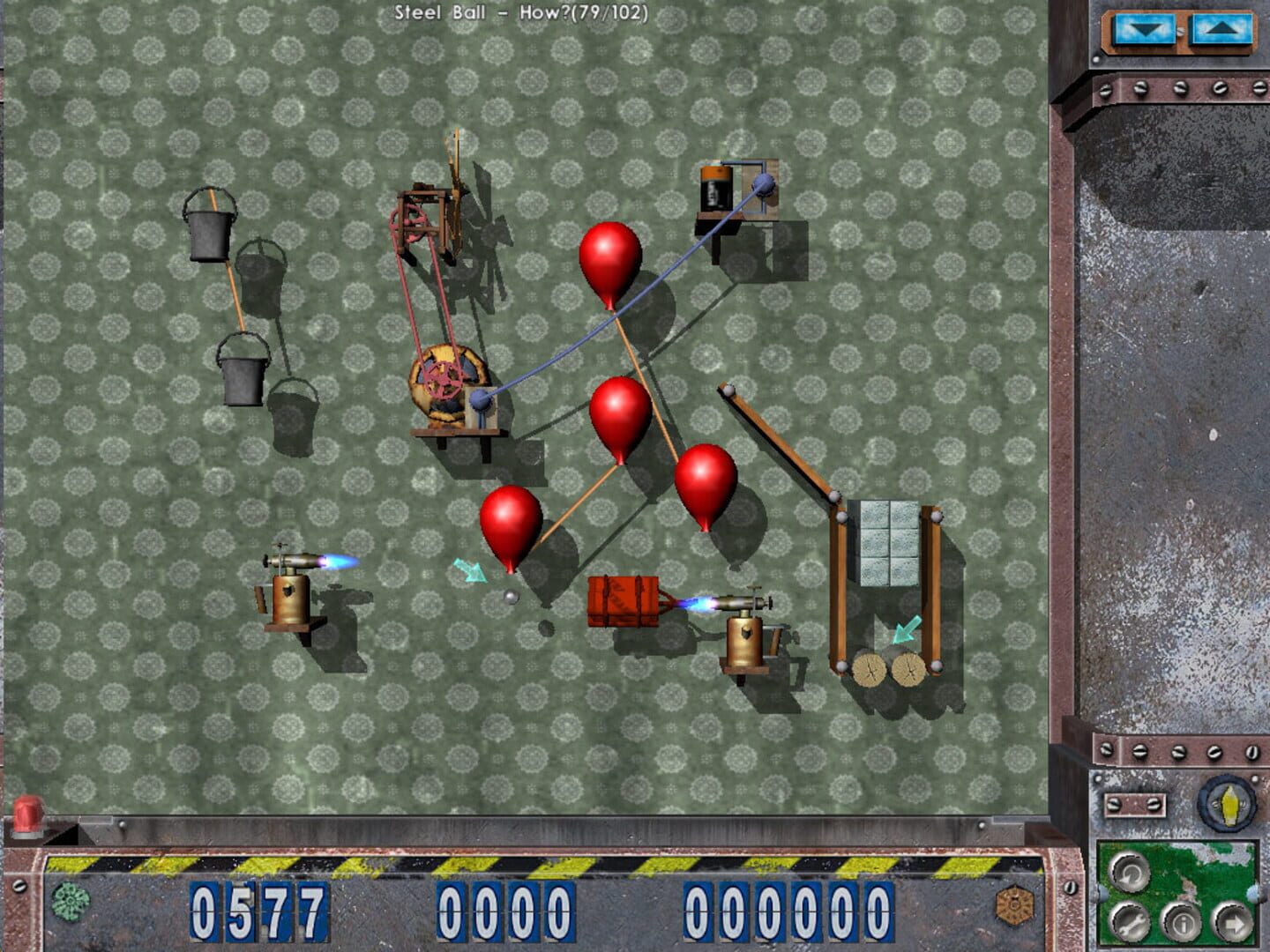
But let's be real: this is a 20-year-old game, and it shows. The graphics are clunky, the UI is fiddly, and kids who've grown up with Minecraft, Roblox, or even modern mobile puzzle games will find it slow and limited. The IGDB score of 62.7 isn't inspiring—it was probably decent in 2005, but hasn't aged gracefully.

If your kid is into retro games or you find this dirt-cheap on Steam, it's a harmless way to spend a few hours. But don't expect it to compete with modern sandbox creativity or polished puzzle games. It's more 'interesting historical artifact' than 'must-play classic.'

Age Fit

Best for 8–13 year olds who enjoy logic puzzles and don't need cutting-edge graphics. Younger kids can watch or co-play, but the spatial reasoning is tricky. Teens will likely find it too simplistic and dated.

WISE Breakdown
Wholesome
78

Physics puzzle game with whimsical, non-violent scenarios like grilling sausages with pulleys and gears. The tone is playful and silly rather than chaotic or mean-spirited. No social elements or competitive pressure.

Imaginative
82

Core mechanic is pure Rube Goldberg creativity—connecting random objects (basketballs, candles, catapults) to solve physics puzzles. Encourages experimentation and lateral thinking about cause-and-effect chains.

Safe
88

No in-game purchases, no online chat, no loot boxes. Single-player puzzle experience with cartoon physics. Users can interact (level sharing on some platforms) but no toxic social features. Clean, straightforward game design from the mid-2000s before aggressive monetization became standard.

Enriching
74

Solid physics reasoning and problem-solving practice. Kids learn cause-and-effect, trial-and-error iteration, and basic mechanical principles. Not deeply educational but genuinely exercises spatial reasoning and planning. The IGDB rating of 62.7 suggests it's competent but not groundbreaking.

Parent Info

Why It Might Be Great

  • Genuine physics problem-solving without hand-holding or microtransactions
  • Encourages trial-and-error experimentation in a low-stakes environment
  • Whimsical scenarios (grilling sausages with rubberbands!) are silly and accessible
  • No social pressure, timers, or competitive stress—just you and the puzzle

What to Watch For

  • Graphics and controls feel ancient compared to modern games—kids may bounce off quickly
  • Limited scope: once you solve a puzzle, there's not much reason to revisit
  • Some kids find pure logic puzzles frustrating without creative freedom (unlike Minecraft's open-ended building)

Conversation Starters

  • "What was the weirdest contraption you built to solve a level?"
  • "If you could design your own Crazy Machine in real life, what would it do?"
  • "Which was harder—figuring out what to do, or getting the timing right?"

Ask Anything

Get a personalized guide on any topic