Why it still sits at the top of the genre
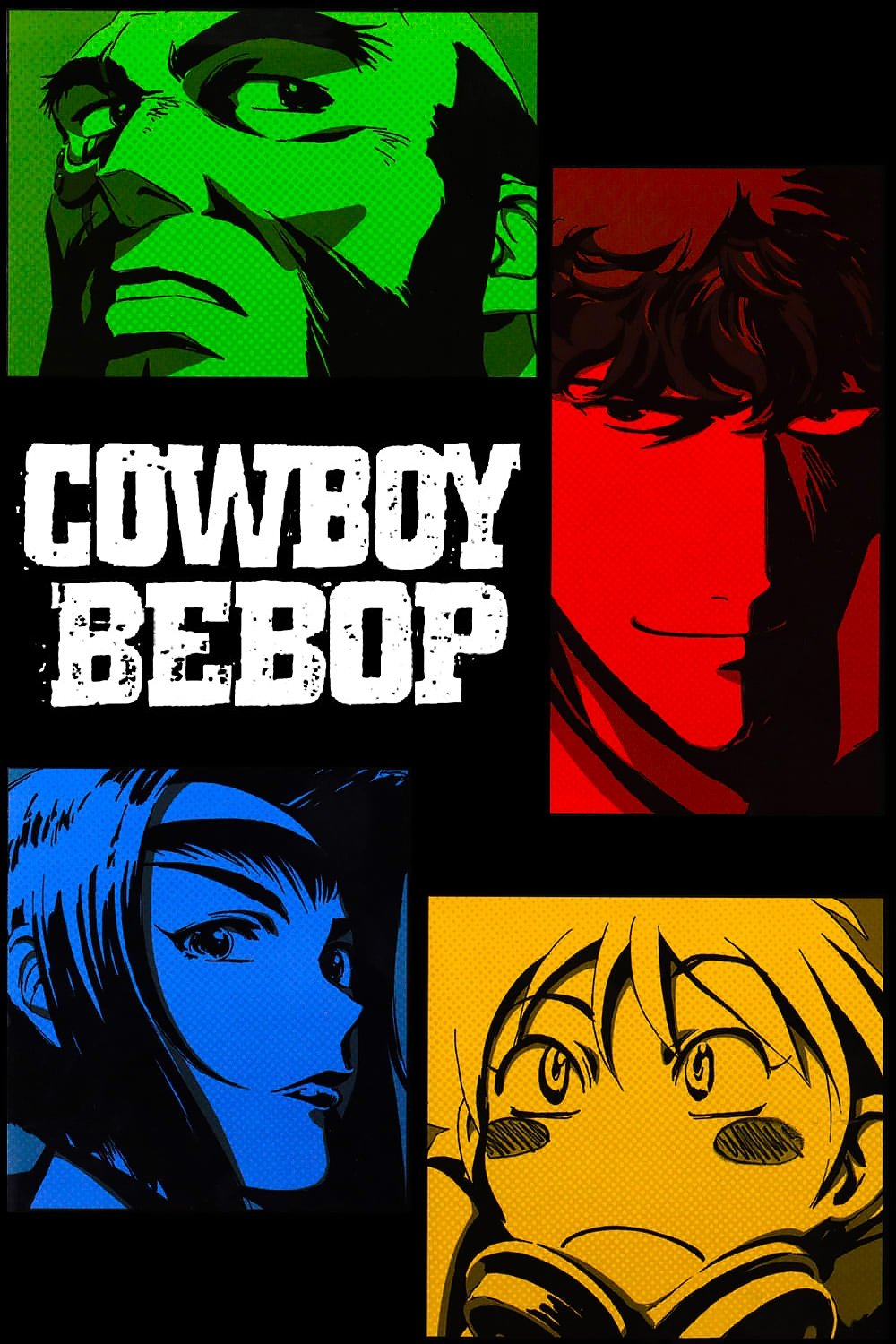
Most anime from 1998 feels like a museum piece today. Cowboy Bebop doesn't. Directed by Shinichirō Watanabe, the series works because it refuses to conform to standard anime formulas. It plays more like a collection of classic film noir shorts, 70s kung fu flicks, and French New Wave cinema, all tied together by a legendary jazz soundtrack performed by seatbelts composer Yoko Kanno.
Every episode functions almost as its own distinct film. One week you get a goofy homage to Alien, the next a tragic thriller about an immortal child, and the week after a melancholic story about a former mob enforcer who can't let go of a woman named Julia.
Real-talk content breakdown for parents
The show earned its TV-MA / 14+ tag honestly. The main character, Spike Spiegel, carries a modified Jericho 941 pistol and uses it regularly. Fights end with blood on the walls, characters get gunned down in churches, and tragic backstories involve betrayal, maiming, and suicide.
Then there's the environment. Cigarettes burn in almost every scene. The crew hangs out in dive bars, drinks whiskey, and chases criminals involved in selling 'Red Eye', a black-market eye spray that boosts reflexes before driving users insane. Faye Valentine's character design is intentionally provocative, wearing a cropped top and shorts that sit squarely in late-90s anime fan-service territory.
How to watch it with a teen
If your high schooler is getting interested in anime, this is one of the best shows you can co-watch. It lacks the endless filler episodes of long-running shonen series like Naruto or One Piece. At 26 episodes, it delivers a clean, complete arc that respects the viewer's intelligence and leaves plenty of room for real conversations about regret, loyalty, and moving on from your past.