The "anti-combat" power fantasy
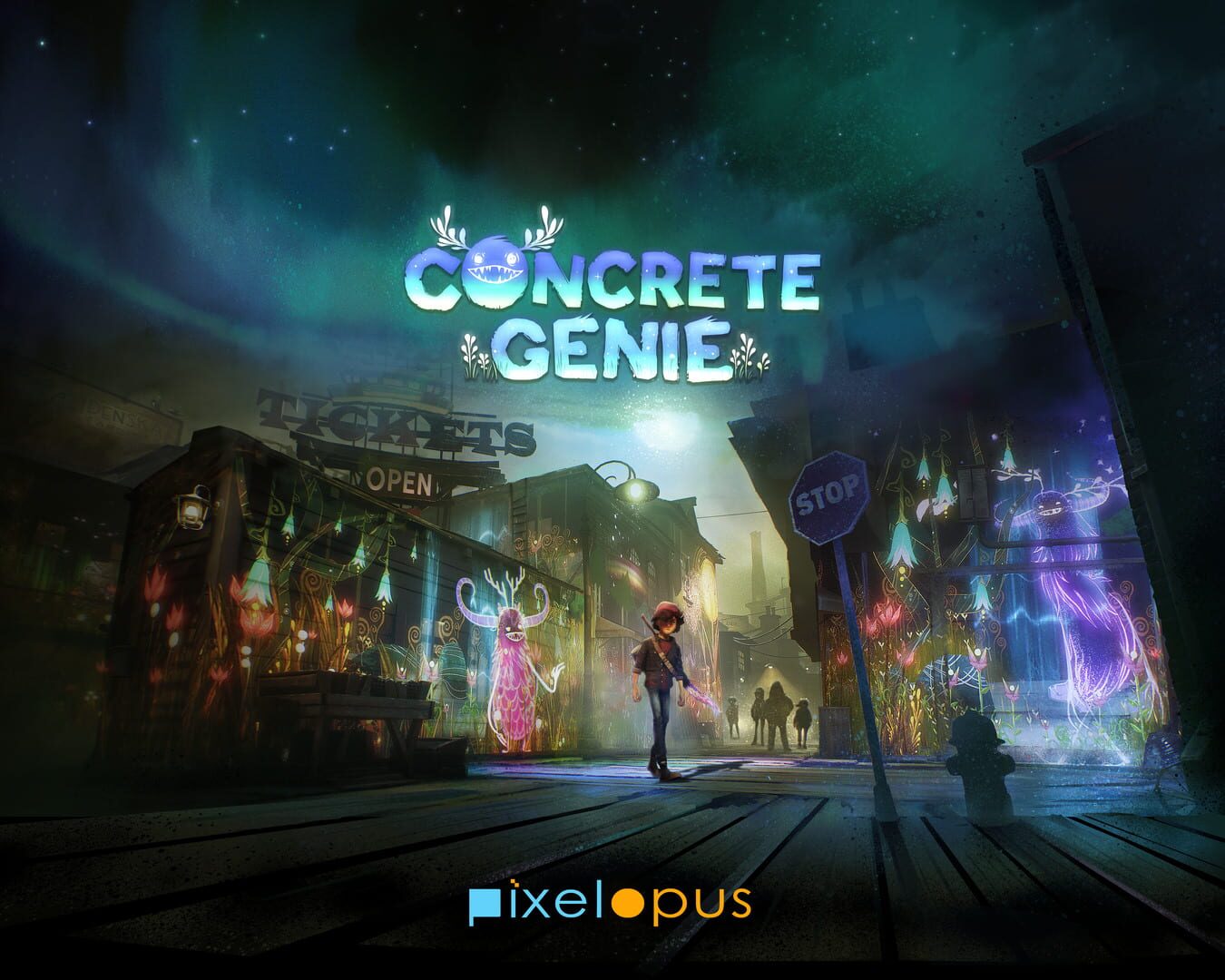
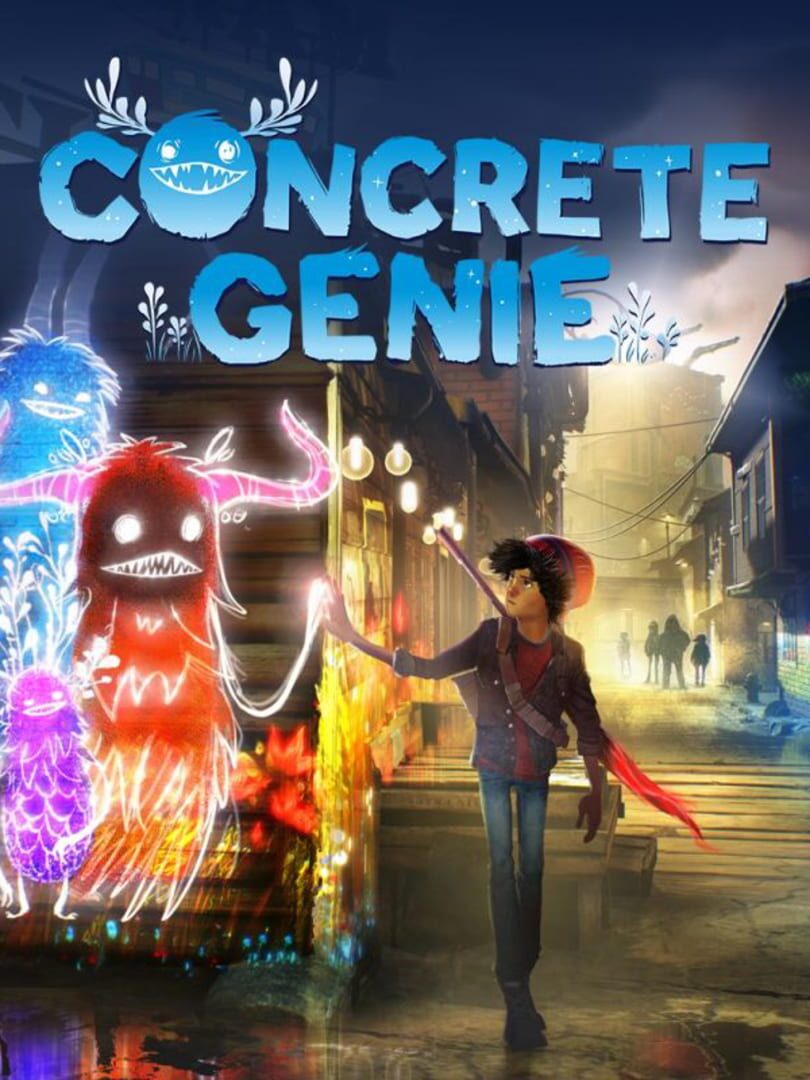
Most games give you a sword or a gun and tell you to fix the world by breaking things. Concrete Genie flips that script. Your primary tool is a paintbrush, and your "attacks" are actually acts of restoration. There is a specific, tactile joy in taking a grimy, industrial wall in the town of Denska and covering it with glowing meadows and aurora borealis-style streaks.
The game uses the PlayStation controller’s motion sensors to mimic the strokes of a brush. While it can feel a bit floaty at first, once you get the hang of it, the barrier between your intent and the screen disappears. You aren't just picking a "skin" for a wall; you’re choosing where the grass grows and how high the trees climb. For kids who spend hours in Minecraft or Roblox just building for the sake of the aesthetic, this is a more directed, high-fidelity version of that creative urge.
Why the bullying feels different here
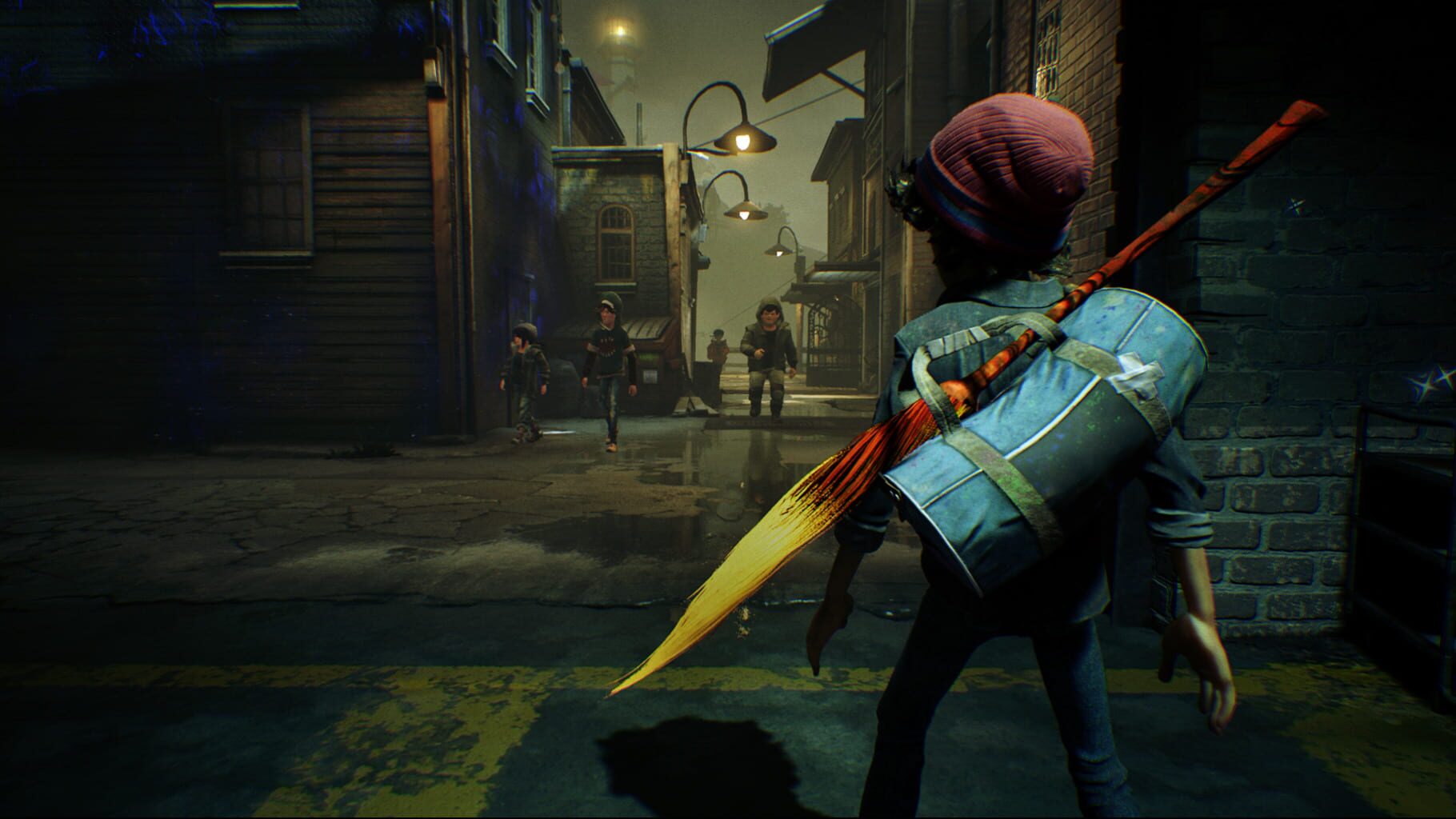
We’ve all seen the "bullied kid finds a secret power" trope, but Concrete Genie doesn't use it as an excuse for a revenge tour. The bullies aren't just faceless obstacles; they are part of the ecosystem of the town. The game eventually forces you to look at why these kids are so miserable, which is a sophisticated pivot for a title aimed at the E10+ crowd.
It’s a great example of how diverse characters and stories help kids see the world through someone else's eyes. Ash isn't a superhero; he’s a kid who uses his art to process his isolation. When the game eventually introduces more traditional "action" elements in the final act, it feels earned because you’ve spent the last few hours building an emotional connection to the environment. You aren't just fighting to win; you’re fighting to protect the beauty you created.
A weekend-sized masterpiece
If you are tired of games that demand 100 hours of "grinding" or daily logins, this is your antidote. You can comfortably finish the main story in a couple of sittings. This makes it an ideal "bridge" game—something a parent and child can play through together over a rainy weekend without it becoming a permanent fixture on the living room TV.
It is a standout in The Ultimate Guide to Kid-Friendly PS4 Games because it utilizes the hardware in ways most big-budget titles ignore. If you have the PSVR headset tucked away in a closet, pull it out for this. The VR mode is a separate, shorter experience, but it’s one of the most immersive uses of digital art I’ve seen. It turns the act of painting into a 360-degree sensory event that usually leaves kids (and adults) pretty wide-eyed.
The friction to watch for
While the message is top-tier, the mechanics can occasionally be fiddly. The platforming—jumping between rooftops and climbing pipes—isn't as precise as a Mario game. There will be moments where Ash doesn't quite grab a ledge or the camera gets stuck in a tight corner of an alleyway.
The motion-control painting also requires a bit of patience. If your kid is the type to get frustrated when a cursor doesn't go exactly where they want it, you might need to step in and help them recalibrate the controller. But these are minor gripes for a game that has this much soul. It’s a rare instance of a developer taking a big swing on a "quiet" story and actually sticking the landing.