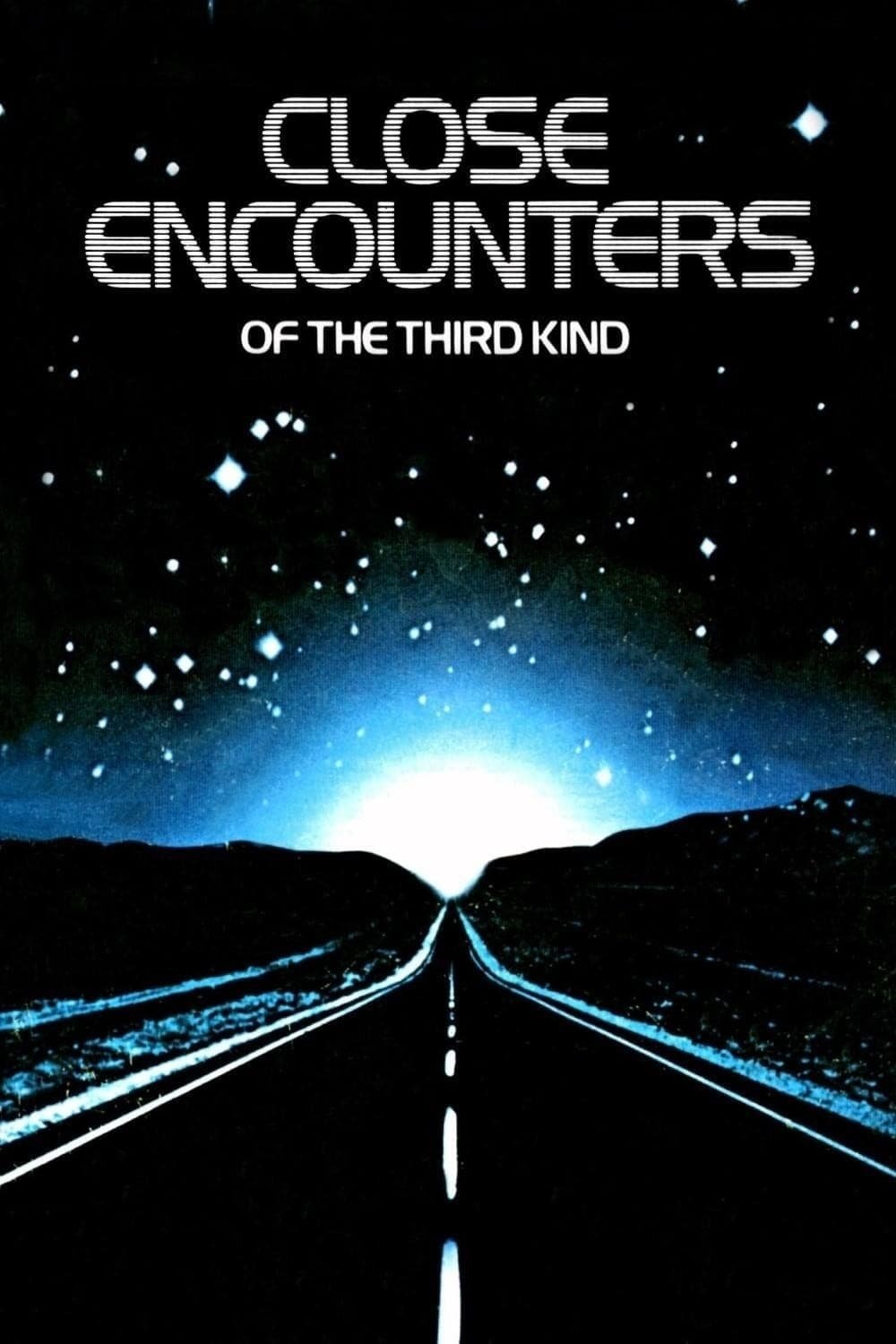
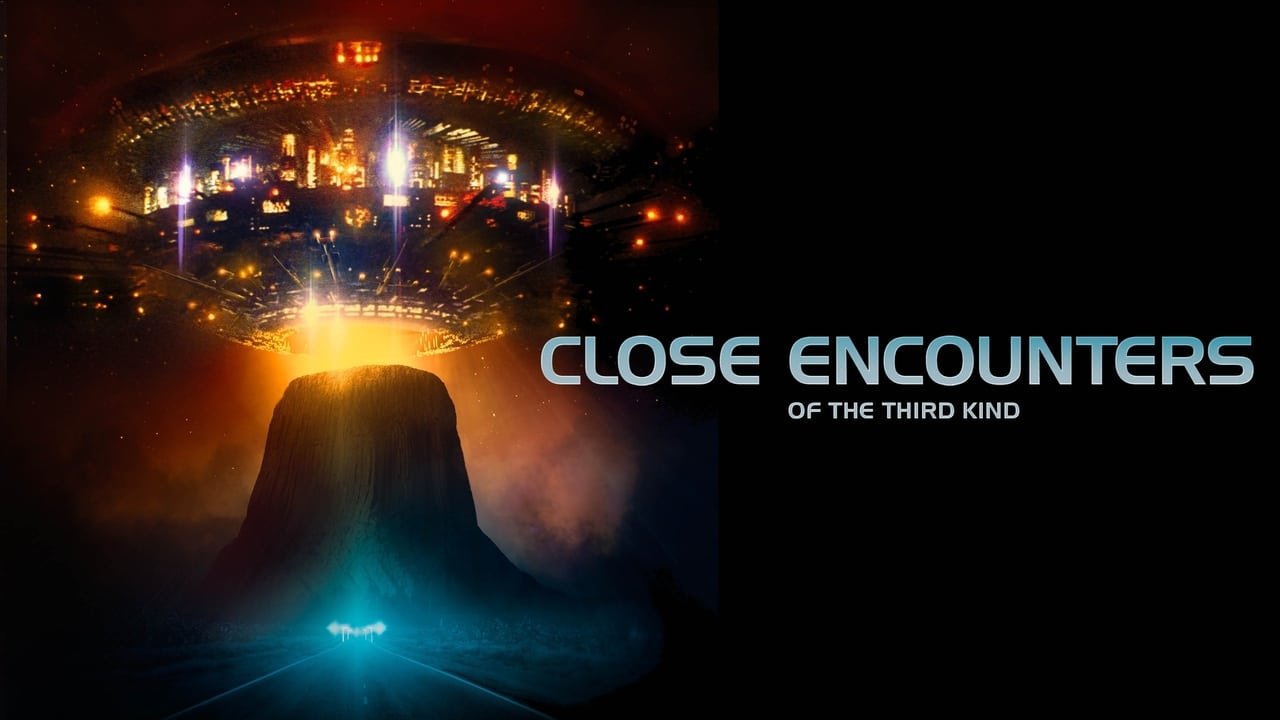
Close Encounters of the Third Kind

Close Encounters of the Third Kind

movie

PG, 1977

WISE
82%

WISE Score

91

Avg. Tomatometer

Spielberg’s 1977 masterpiece swaps laser battles for a giant synthesizer and a deep sense of wonder.

IMDb7.6
RT Critics91%
MC90
Common Sense Media
Where to Watch
Loading streaming options...
Screenwise Verdict

This is the thinking kid’s alien movie. It’s not an action flick—there are no space battles or laser guns. Instead, it’s a slow-burn mystery about obsession and the 'grand unknown.' Spielberg captures a sense of awe that few movies have matched since.

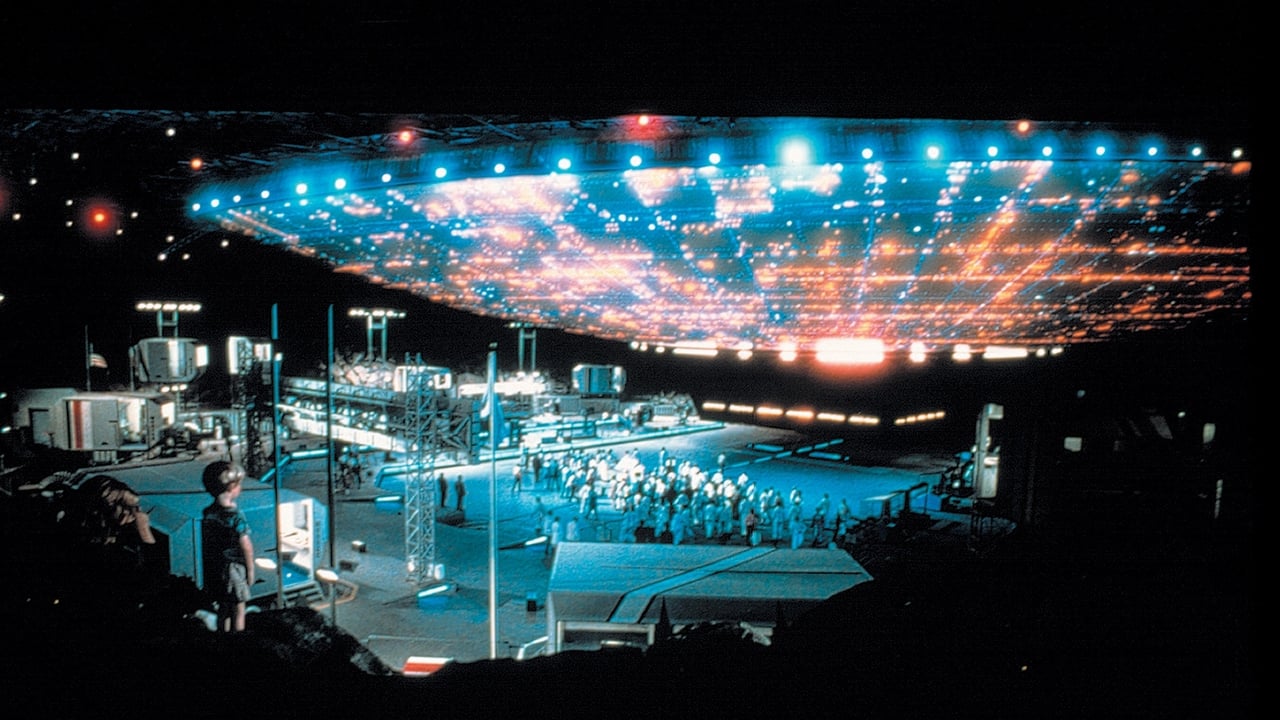
Be warned: the pacing is very much of its era. If your kid is used to the 15-second hook of a TikTok or the frantic editing of a Marvel movie, the first 60 minutes of a guy building a dirt mountain in his living room might feel like a chore. But the final 30 minutes at Devils Tower is one of the most rewarding payoffs in cinema history.

Age Fit

Best for ages 8 and up. Younger kids will likely be bored by the slow first hour or terrified by the abduction sequence. Teens who like Stranger Things will appreciate the DNA this movie shared with that show.

WISE Breakdown
Wholesome
65

While the movie is about wonder, the protagonist essentially has a mental breakdown and abandons his wife and three children to chase lights in the sky. The family dynamics are loud, stressful, and realistically messy.

Imaginative
98

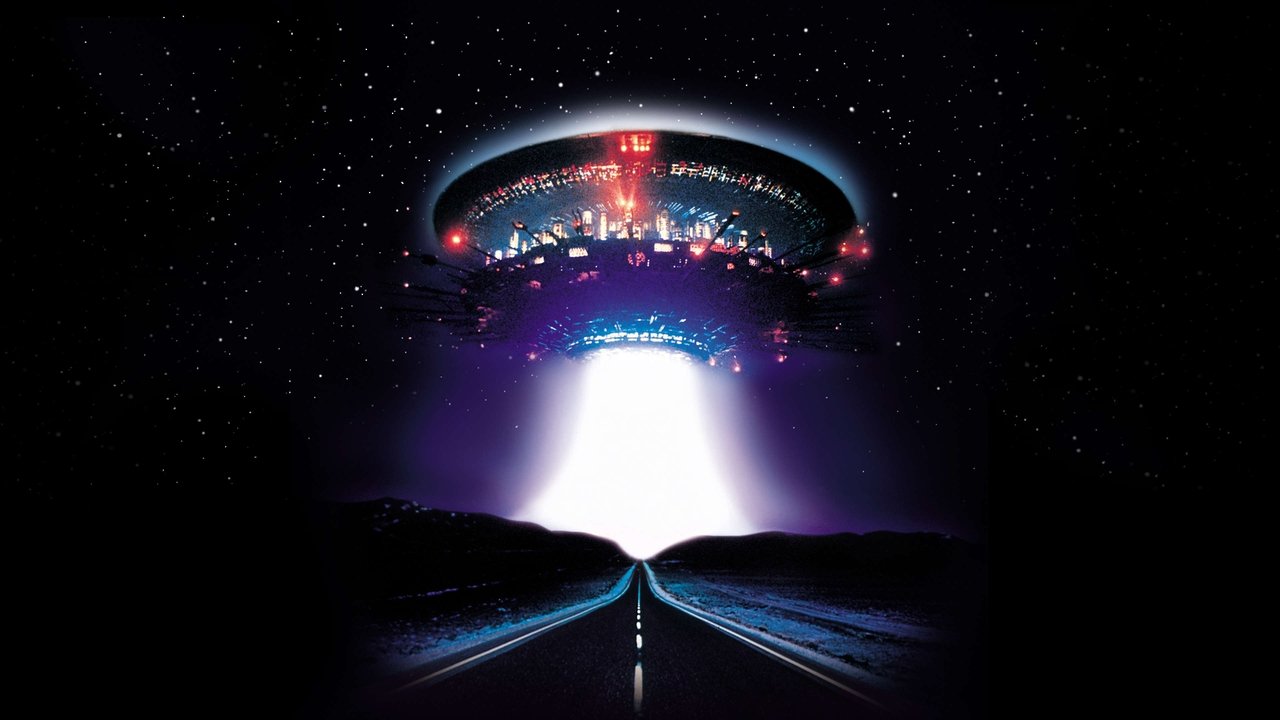
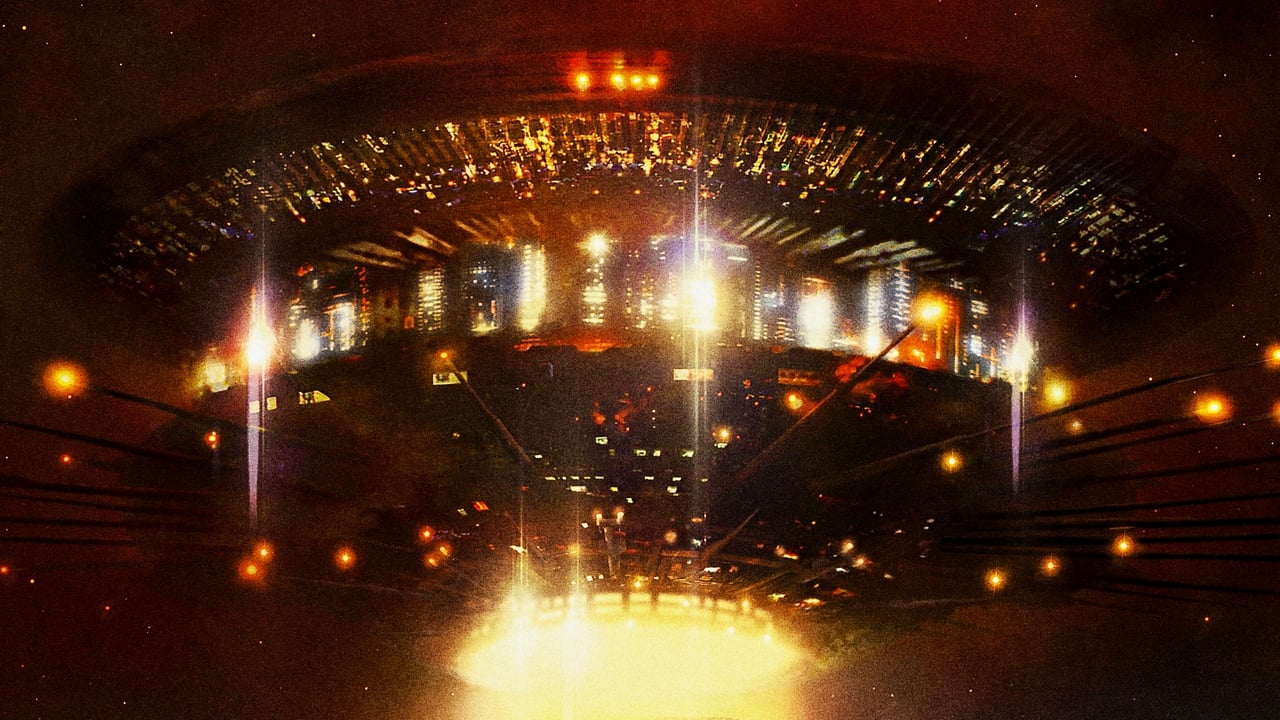
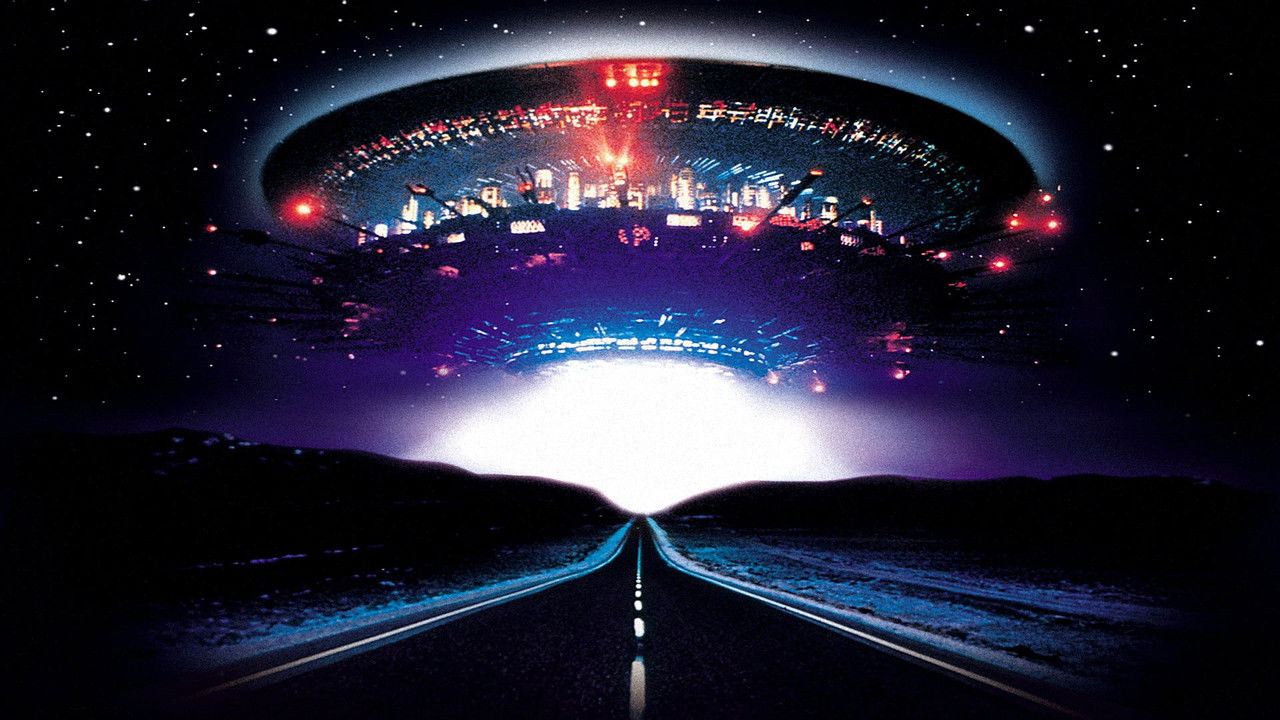
The concept of communicating with aliens through music and light is genius. The visual design of the mothership and the obsession with Devils Tower are iconic sci-fi hallmarks.

Safe
75

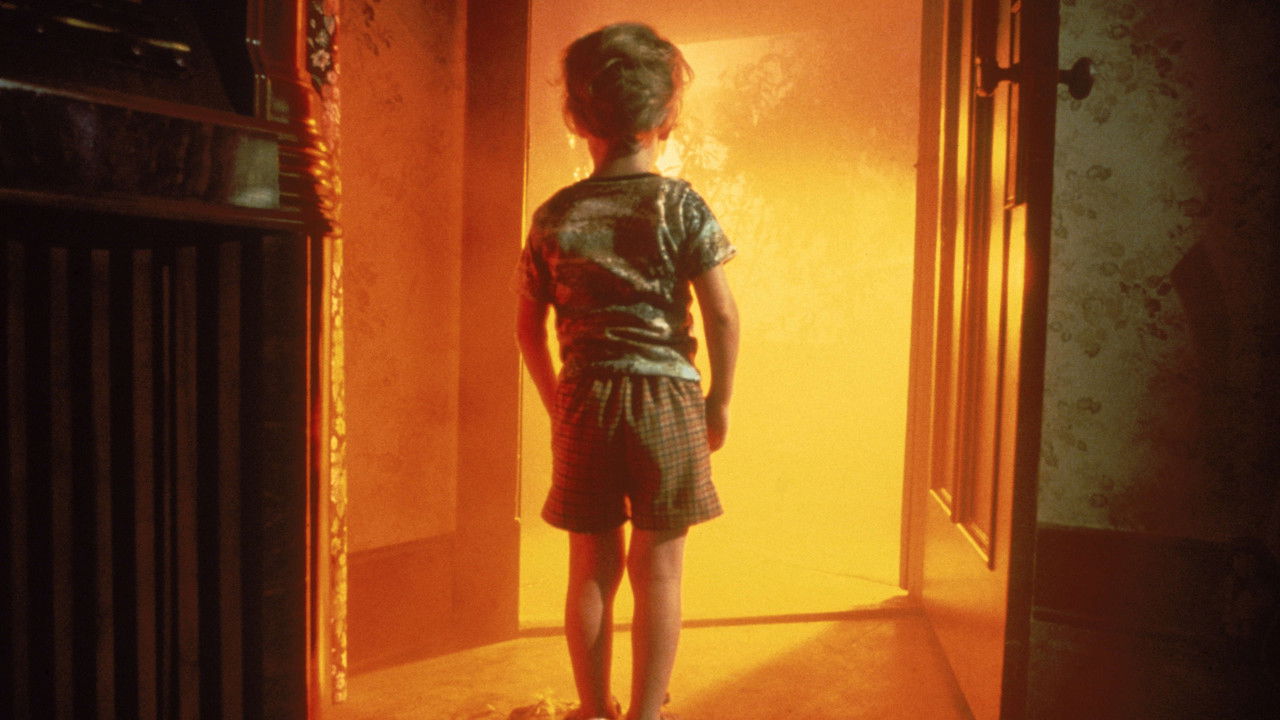
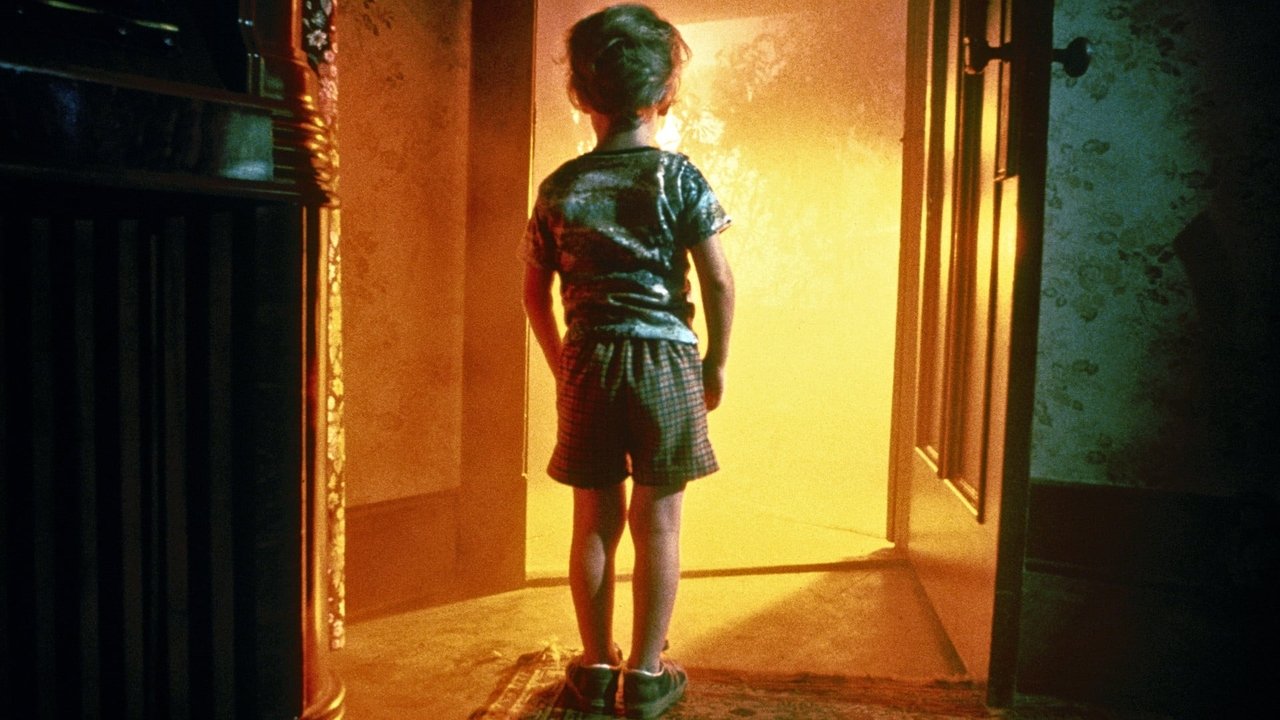
It is rated PG, but the scene where the young boy, Barry, is 'abducted' from his home is shot like a straight-up horror movie. It's terrifying for younger or sensitive kids.

Enriching
85

It encourages curiosity over fear and highlights how art (music) and science (math/light) can be a universal language. It’s a great 'entry-level' classic for film literacy.

Parent Info

Why It Might Be Great

  • Visual spectacle that remarkably holds up, using practical effects that often look better than modern CGI soup.
  • Introduces the concept of aliens as curious explorers rather than world-ending invaders, which is a great pivot from typical sci-fi tropes.
  • The musical communication (those five iconic notes) is a brilliant way to talk about how we connect with people who are different from us.
  • It’s a foundational piece of film history—if your kid is getting into movies, this is required reading.

What to Watch For

  • The kitchen abduction scene is genuinely scary. Objects move on their own, the orange light is menacing, and the mother’s panic is palpable. If your kid is prone to night terrors, maybe skip this one for a few years.
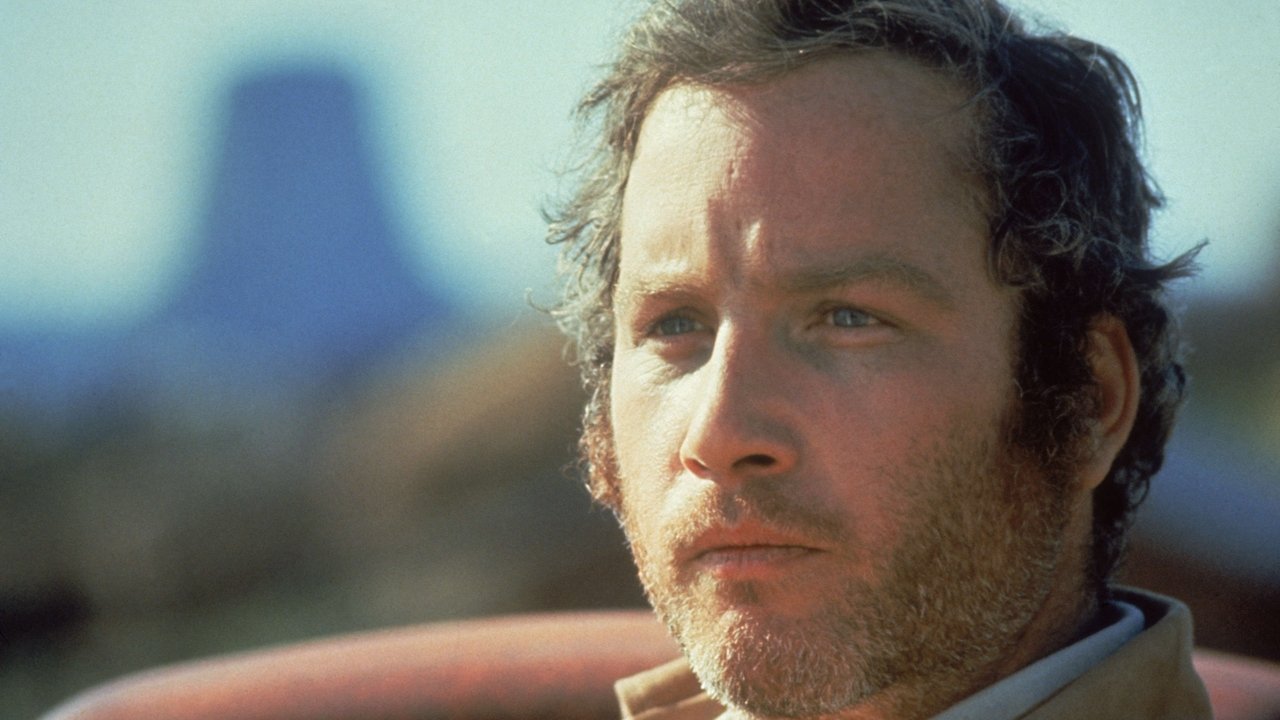
  • Roy’s mental health spiral involves him screaming at his kids and throwing trash into his house. It’s a very raw, 70s-style depiction of a mid-life crisis that might be confusing or upsetting for younger viewers.
  • The ending is controversial for parents. Roy chooses to leave his family forever to go into space. It’s framed as a grand adventure, but from a kid's perspective, it’s a dad just checking out.

Conversation Starters

  • "Why do you think the aliens used music and colors to talk instead of words?"
  • "Was it okay for Roy to leave his family to go on the ship? Why or why not?"
  • "If you saw something strange in the sky that nobody else believed, what would you do?"
  • "Why was the government trying to keep the landing a secret?"

Deep Dive

The Spielberg Glow

Before E.T. made aliens cuddly and Jurassic Park made them hungry, Spielberg gave us Close Encounters. It’s a movie that treats the arrival of extraterrestrials not as a threat to be managed by the military, but as a scientific and spiritual event. For a kid, this is a great way to introduce the idea of 'the other' without the baggage of a war movie.

Pacing and the 1970s Hurdle

You have to be intentional about when you put this on. It’s over two hours long and it takes its time. The movie spends a lot of energy on the domestic breakdown of the Neary household. It’s noisy, there’s a lot of shouting, and the 70s suburban aesthetic can feel a bit drab to a modern eye. However, the 'wonder' elements—the screwball behavior of the electronics, the mail trucks, and the iconic light shows—are still magic.

The Abduction Factor

If you have a sensitive kid, do not leave them alone during the scene where the little boy, Barry, is taken. Spielberg uses every horror trick in the book: the vacuum cleaner turning on, the screws unscrewing themselves, the dog barking at the invisible. It’s masterful filmmaking, but it’s high-octane nightmare fuel for the under-8 crowd.

Ultimately, this is a movie about being part of something bigger than yourself. It’s a great bridge into more complex sci-fi like Arrival or Interstellar. Just be prepared to explain why the dad doesn't say goodbye to his kids at the end.

What Parents Ask

Stills
Close Encounters of the Third Kind — still 1
Close Encounters of the Third Kind — still 2
Close Encounters of the Third Kind — still 3
Close Encounters of the Third Kind — still 4
Close Encounters of the Third Kind — still 5
Close Encounters of the Third Kind — still 6
Close Encounters of the Third Kind — still 7
Close Encounters of the Third Kind — still 8

Ask Anything

Get a personalized guide on any topic