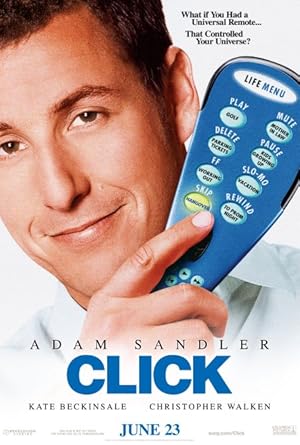
The central hook of Click—a remote that lets you skip the "loading screens" of real life—is a classic "be careful what you wish for" setup. In 2006, this was a fantasy about skipping traffic and avoiding arguments. Today, it feels like a cautionary tale about the autopilot mode we all slip into when we’re distracted by our devices instead of engaging with our families.
The Autopilot Problem
The most effective part of the movie isn't the magic; it’s the horror of the remote’s programming. Once the main character skips a few mundane moments or a bout of the flu, the remote "learns" his preferences. It starts skipping those things automatically. This is where the movie gets surprisingly heavy.
It’s a literal representation of how we can become strangers in our own lives by choosing the path of least resistance. If you’re watching this with a teen, this is the thread to pull. We might not have a glowing blue remote, but we have a dozen ways to "skip" the present moment. The movie suggests that by avoiding the "boring" or "hard" parts of life, we accidentally erase the meaningful parts too.
Tonal Whiplash
You have to be ready for the fact that this is essentially two different films fighting for dominance. One is a crude comedy full of the kind of humor you’d expect from a mid-2000s PG-13 flick—lots of physical gags and sexual references that feel dated. The other is a genuinely tragic drama about a man realizing he’s missed his children growing up.
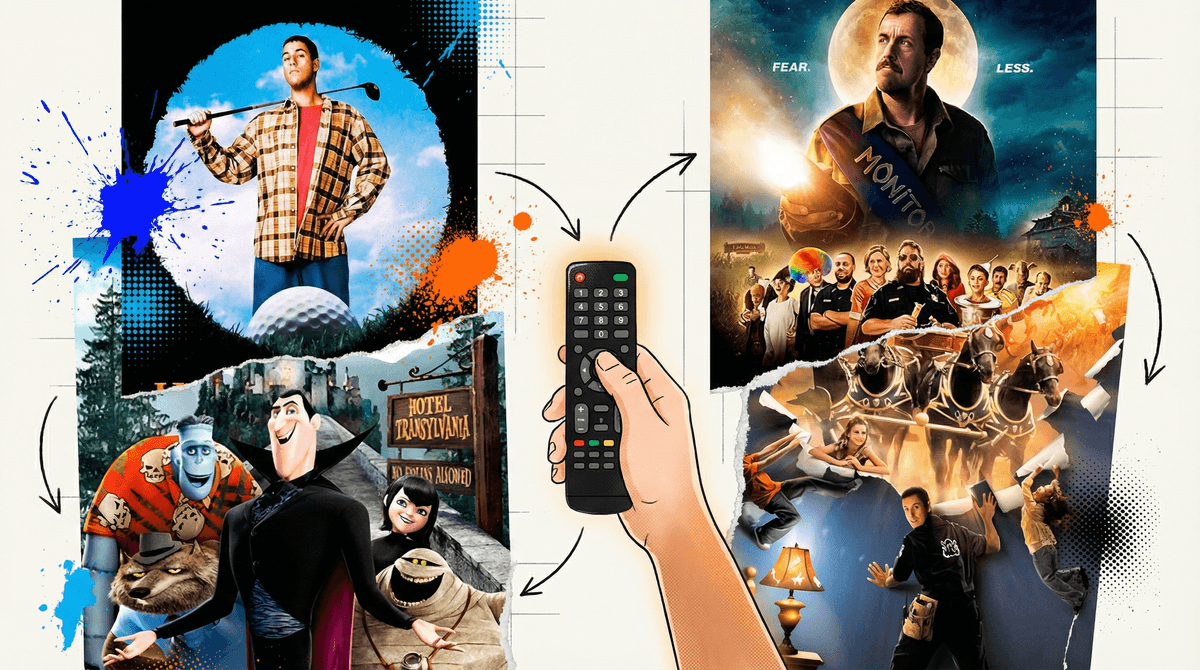
This makes it a tough sell for a standard family movie night. If you have younger kids who just want a funny movie about a magic gadget, this isn't it. The humor is too mature, and the ending is likely too intense. For that younger crowd, you’re much better off looking for actual Adam Sandler movies for kids that stay in the PG lane and keep the tone consistent.
Why it sticks
Critics weren't kind to this one, and it’s easy to see why—the transition from slapstick jokes to a deathbed scene is jarring. But audiences have generally been more forgiving because the core anxiety it taps into is universal. We all feel like time is moving too fast. We all feel the pressure to work "just a little more" to provide, often at the expense of the people we're providing for.
If you decide to watch it with an older teen, use the third act as a reset. It’s a blunt instrument, but it works. It’s the kind of movie that makes you want to put your phone in a drawer and actually listen to a long-winded story about their day, even if that conversation is one of those "boring" parts the remote would have skipped.