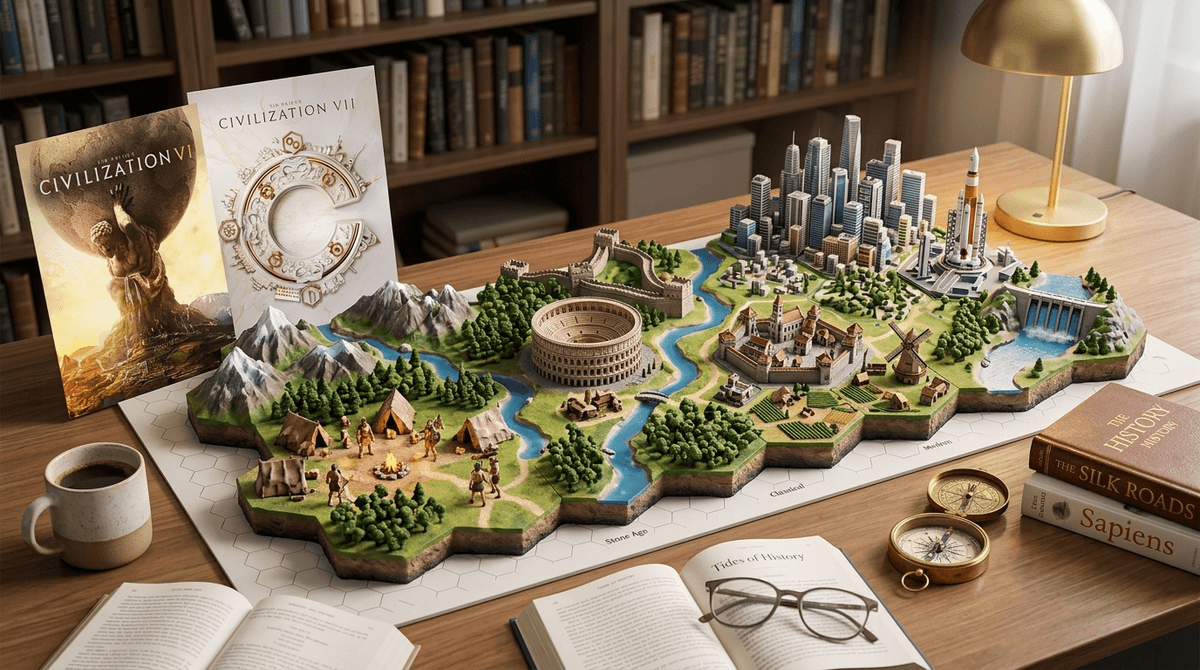
Civilization (1991) is a legitimate classic that pioneered the 4X strategy genre and remains genuinely educational—it's a digital history lesson disguised as a game. The ESRB E rating and zero predatory mechanics make it exceptionally safe, and the cognitive load is real: kids learn resource management, cause-and-effect, and world geography while plotting their empire's rise.
But let's be honest—this is a 34-year-old DOS game with chunky pixel graphics and a UI that feels like doing taxes. Modern kids raised on Minecraft and Fortnite will find it borderline unplayable unless they're already into retro games or have a parent willing to sit down and guide them through the first few sessions. The 'one more turn' hook is still potent, but getting past the initial learning curve and dated presentation is a real barrier.
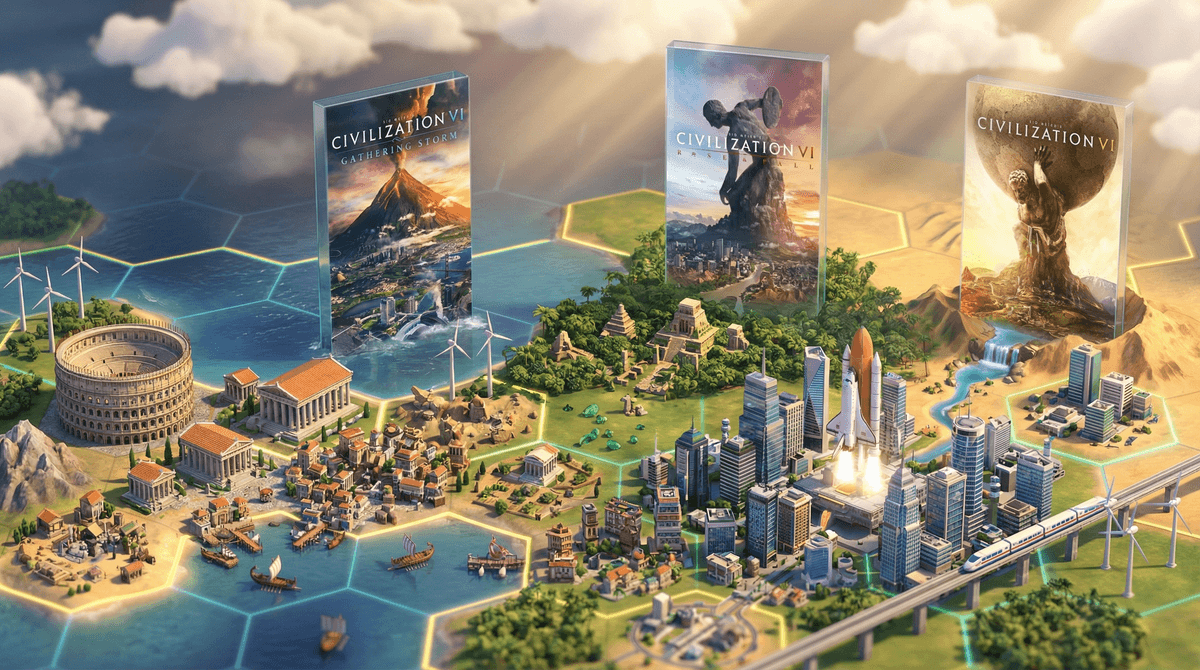
If your kid is a history buff, loves strategy, and has the patience for slow-burn gameplay, this is gold. If they're used to instant gratification and slick interfaces, you're better off starting them on a newer entry in the series (Civ VI is far more accessible). As a piece of gaming history and an educational tool, it's brilliant. As something a 2025 kid will actually want to play? That's a tougher sell.
Age Fit
Best for ages 10–16 who have the patience for turn-based strategy and can appreciate the educational depth. Younger kids will struggle with the complexity; older teens may find the dated interface too frustrating unless they're retro-gaming enthusiasts or history nerds.
WISE Breakdown
Wholesome
78
Turn-based strategy that rewards patience, planning, and thoughtful decision-making. Models diplomacy as an alternative to conflict, though war is a core mechanic. No toxic social dynamics since it's single-player. Emotionally neutral tone—no manipulative hooks or chaos, just methodical empire-building.
Imaginative
82
Encourages big-picture thinking and alternate-history scenarios—what if Egypt developed gunpowder first? Players chart their own path through tech trees, city placement, and diplomatic strategies. The sandbox nature invites experimentation, though the 1991 interface and graphics limit the immersive 'wow' factor compared to modern games.
Safe
92
ESRB rated E (Everyone) with no content descriptors—no explicit violence, gore, language, or mature themes. No in-game purchases, no online chat, no loot boxes. Wars are abstracted to unit icons moving on a map. The only caution is screen-time management given the 'one more turn' compulsion, but there are no predatory mechanics.
Enriching
88
Essentially a digital history and geography lesson wrapped in gameplay. Reinforces cause-and-effect (research writing → build libraries), resource management, long-term planning, and world cultures. Players learn about real civilizations, technologies, and wonders. Builds strategic thinking and patience. High cognitive load makes it genuinely educational.
Parent Info
✓
Why It Might Be Great
Genuinely educational—kids learn about real civilizations, technologies, world wonders, and historical cause-and-effect while playing
Rewards patience, strategic thinking, and long-term planning instead of button-mashing reflexes
Zero predatory mechanics—no ads, no microtransactions, no chat, just pure turn-based strategy
Diplomacy is a viable path, teaching negotiation and trade alongside military conquest
The 'build your own empire' sandbox invites experimentation and alternate-history thinking
⚠
What to Watch For
Steep learning curve—most kids under 10 will need an adult to explain the mechanics and help set goals
1991 graphics and clunky DOS interface are genuinely hard for modern kids to engage with—this is a tough sell in 2025
'One more turn' addiction is real—sessions can stretch for hours if you don't set boundaries
War is a core mechanic, though it's abstracted (no blood, just unit icons disappearing)
Conversation Starters
"Which civilization did you pick, and why? What made them interesting to you?"
"If you could go back and change one decision in your empire, what would it be?"
"Why do you think some technologies unlock others? How does that mirror real history?"
"Would you rather win by military conquest, space race, or diplomacy? What does that say about your strategy?"
"What did you learn about a civilization or historical period you didn't know before?"